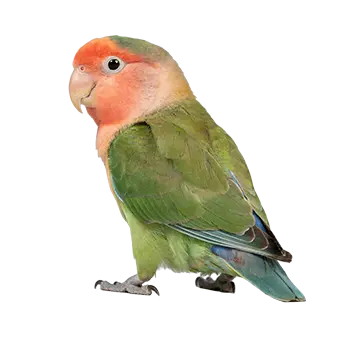

Car Travel

Traveling by car with a Peach-faced Lovebird is generally the most straightforward transport option, offering owners direct control over temperature, noise levels, and the pace of the journey. The key to a successful car trip is a secure, well-ventilated travel carrier that prevents the bird from escaping while allowing adequate airflow. Small, hard-sided carriers designed for birds or small animals work well for lovebirds, providing protection from jostling while keeping the bird contained. The carrier should be secured with a seatbelt or placed on a flat, stable surface to prevent it from sliding during sudden stops or turns.

Temperature regulation is critical during car travel, as Peach-faced Lovebirds are sensitive to both extreme heat and cold. The car's interior should be maintained at a comfortable room temperature, and the carrier should never be placed in direct sunlight streaming through windows. During warm weather, owners should avoid leaving the bird unattended in a parked vehicle even for brief periods, as interior temperatures can rise to dangerous levels within minutes. In cold weather, warming the car before placing the bird inside helps avoid thermal shock.

Providing food and water during car travel requires some planning. Shallow, spill-resistant dishes attached to the carrier's interior can offer access to water during longer trips, though many owners prefer to offer water during scheduled rest stops rather than risk spillage. Familiar foods such as seed mixes, millet sprays, and small pieces of fresh fruit can help keep the bird calm and nourished. Stops every two to three hours allow the owner to check on the bird, offer fresh water, and assess the animal's condition.

Acclimating the bird to its travel carrier before the trip can significantly reduce stress. Placing the carrier in the bird's living area with the door open for several days beforehand allows the lovebird to explore and become comfortable with the confined space. Short practice drives around the neighborhood can further desensitize the bird to the motion and sounds of car travel, making longer journeys much less stressful for both bird and owner.

Air Travel

Air travel with a Peach-faced Lovebird is possible but requires significantly more preparation than car travel. Airline policies regarding live birds vary widely, and not all carriers permit birds in the cabin or as checked baggage. Owners should contact their airline well in advance to determine whether birds are accepted, what carrier specifications are required, and whether additional fees or documentation will apply. Some airlines allow small birds in approved soft-sided carriers as carry-on items, while others require birds to travel in the cargo hold under specific environmental controls.

Documentation requirements for air travel with birds can be extensive. Most airlines require a veterinary health certificate issued within a specified number of days before departure, confirming that the bird is free of visible signs of disease and fit to travel. Interstate and international flights may require additional permits, CITES documentation for cross-border travel, or quarantine arrangements at the destination. Owners should begin assembling documentation several weeks before travel to allow time for veterinary appointments and permit processing.

The physical stress of air travel on a small bird like a Peach-faced Lovebird should not be underestimated. Changes in air pressure, temperature fluctuations in cargo holds, loud engine noise, and prolonged confinement can all contribute to significant stress. Owners who choose cabin travel should keep the carrier under the seat in front of them and avoid opening it during the flight, as an escaped bird in an aircraft cabin creates serious safety concerns. Offering a small amount of fresh fruit in the carrier can help keep the bird hydrated, since open water containers are impractical during turbulent flight conditions.

For international travel, destination country requirements add another layer of complexity. Many countries require import permits, quarantine periods, and specific disease testing before a bird can enter. Some nations prohibit the importation of psittacine species entirely. Owners planning international moves or vacations with their lovebirds should research destination requirements months in advance and consider whether the stress of air travel is justified or whether alternative care arrangements, such as boarding or pet sitting, might be a better option for the bird's welfare.

Pet-Friendly Accommodations

Finding accommodations that welcome birds can be more challenging than locating dog- or cat-friendly lodging, as many hotels and vacation rentals either prohibit pets entirely or limit their pet policies to common companion animals. However, the growing diversity of pet-friendly travel options means that bird owners have more choices than in previous decades. Dedicated pet-friendly hotel chains, independently operated inns, and vacation rental platforms that allow guests to filter by pet policy can all be valuable resources for lovebird owners planning overnight travel.

When booking accommodations, owners should confirm that the property's pet policy explicitly includes birds, as a general pet-friendly designation may not extend to avian species. Requesting written confirmation of bird acceptance at the time of booking can prevent misunderstandings at check-in. Some properties may impose pet deposits, cleaning fees, or room restrictions for guests traveling with animals, and understanding these terms in advance helps avoid surprises.

Once at the accommodation, creating a familiar and safe environment for the lovebird helps minimize travel stress. Bringing the bird's regular food, favorite toys, and a lightweight travel perch can provide a sense of normalcy in an unfamiliar setting. The carrier or a small travel cage should be placed in a quiet corner away from drafts, direct sunlight, and potential hazards such as open windows, ceiling fans, and accessible electrical cords. Maintaining the bird's regular light and feeding schedule as closely as possible supports its physical and emotional well-being during the stay.

Owners should also be mindful of noise considerations when staying in shared-wall accommodations. While Peach-faced Lovebirds are not the loudest parrot species, their morning and evening vocalizations can carry through hotel walls and draw complaints from neighboring guests. Covering the carrier during early morning hours and providing enrichment to occupy the bird quietly can help manage noise levels and maintain good relations with fellow travelers and property management.

Boarding & Pet Sitting

For trips where bringing the lovebird is impractical or inadvisable, boarding facilities and pet sitters offer alternative care solutions. Avian-specific boarding facilities are the ideal option, as they are staffed by individuals with experience handling and caring for birds and are designed to minimize the risks of disease transmission, escape, and environmental stress. General-purpose pet boarding facilities may also accept birds, but owners should evaluate these facilities carefully to ensure that bird-specific needs for temperature control, air quality, appropriate diet, and minimal exposure to predatory animals are adequately addressed.

When selecting a boarding facility, visiting the premises in advance is strongly recommended. Owners should assess the cleanliness of enclosures, the qualifications and attentiveness of staff, the facility's disease prevention protocols, and the overall noise and activity level of the environment. Asking about the facility's procedures for handling medical emergencies, including whether an avian veterinarian is on call, provides additional reassurance. Reputable facilities will welcome these inquiries and may require proof of a recent veterinary health check before accepting a bird for boarding.

In-home pet sitters offer an alternative that allows the lovebird to remain in its familiar environment, reducing the stress associated with relocation to an unfamiliar facility. Professional pet sitters who have experience with birds can visit the home one or more times daily to provide food, water, cage cleaning, and social interaction. Some sitters offer overnight stays for an additional fee, which can be beneficial for birds like Peach-faced Lovebirds that are accustomed to regular human companionship. Owners should provide detailed written instructions covering the bird's diet, daily routine, behavioral quirks, and emergency veterinary contact information.

Trusted friends or family members who are familiar with the bird can also serve as pet sitters, though owners should ensure that the chosen individual is comfortable handling the bird and understands basic avian safety principles. Hazards that experienced bird owners manage instinctively, such as open windows, toxic houseplants, nonstick cookware fumes, and unsupervised interactions with other household pets, may not be obvious to a caretaker without bird experience.

Emergency Preparedness

Natural disasters, severe weather events, and other emergencies require advance planning to ensure the safety of companion birds. Peach-faced Lovebird owners should develop an emergency preparedness plan that accounts for evacuation, sheltering in place, and extended disruption of normal routines. A bird-specific emergency kit should include a secure travel carrier, a supply of the bird's regular food and bottled water sufficient for at least five days, copies of veterinary records and identification band numbers, medications if applicable, and contact information for avian veterinarians and emergency animal shelters in the area.

Evacuation planning should identify pet-friendly emergency shelters, hotels, and the homes of friends or family members who can accommodate the bird on short notice. Not all public emergency shelters accept animals, and those that do may have limited capacity or may not be equipped to house birds safely alongside other species. Having multiple pre-identified options increases the likelihood of finding appropriate shelter during a crisis. Owners should also ensure that their travel carrier is in good condition and readily accessible, as emergencies rarely allow time for extended preparation.

Power outages present specific risks for lovebird owners, as loss of heating or cooling can expose birds to dangerous temperature extremes. Battery-operated or hand-warming heat packs can provide temporary warmth in cold conditions, while moving the bird to the coolest room in the house and offering extra water can help manage heat-related risks during summer power failures. Generators, if available, can maintain climate control, but they must be operated outdoors to prevent carbon monoxide buildup, which is lethal to birds at concentrations far below those dangerous to humans.

Birds are exceptionally sensitive to airborne toxins, and emergencies such as wildfires, chemical spills, or nearby industrial accidents can create air quality conditions that are dangerous or fatal to lovebirds well before they pose serious risks to humans. Owners in areas prone to wildfire smoke or industrial hazards should have portable air purifiers with HEPA filters available and be prepared to relocate the bird to a location with cleaner air on short notice. Monitoring local air quality indices and emergency broadcast information can provide early warning of deteriorating conditions.

Always consult a qualified professional before making any health-related decisions. This content is provided for informational reference only and should not replace professional guidance specific to your animal.