
Film & Television

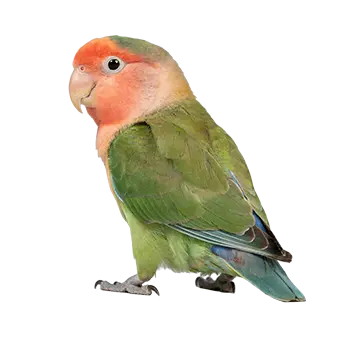
Peach-faced Lovebirds have appeared in a variety of film and television productions, often cast as visual shorthand for romance, domestic warmth, or eccentric personality. Their compact size and vivid coloring make them naturally photogenic, and their presence on screen typically signals affection or whimsy without requiring significant animal-handling logistics. Directors and set designers have used lovebirds as living props in romantic comedies, family dramas, and animated features, drawing on the bird's well-established cultural association with love and devotion.

In animated media, lovebirds frequently appear as supporting characters or background elements in scenes depicting pet shops, tropical settings, or romantic encounters. While few animated lovebird characters have achieved the standalone fame of other fictional parrots, their recurring presence in the genre reflects their recognizability among general audiences. The species' bright palette translates especially well to animation, where artists can emphasize the contrast between peach, green, and blue plumage.

Documentary programming has also given the Peach-faced Lovebird a platform. Nature documentaries covering African wildlife, avian behavior, and the exotic pet trade have featured the species in segments highlighting flock dynamics, mating rituals, and the striking feral colonies found in the American Southwest. These appearances introduce the bird to audiences who may never have encountered one in person, broadening its cultural visibility beyond the pet-keeping community.

Television talk shows and variety programs have occasionally featured trained lovebirds in live segments, showcasing the birds' boldness and willingness to interact with handlers. These appearances tend to emphasize the species' personality and charm, reinforcing its reputation as an engaging and entertaining companion animal.

Literature & Art

The lovebird's romantic name and striking appearance have made it a recurring motif in literature and visual art. Poets and novelists have invoked lovebirds as metaphors for human intimacy, using the birds' pair-bonding behavior to explore themes of devotion, jealousy, and loss. The image of two lovebirds huddled together on a perch has become a literary convention that transcends any single species, though the Peach-faced variety's vivid coloring makes it a frequent visual reference point.

In the world of fine art and illustration, lovebirds appear in ornithological plates, decorative prints, and contemporary paintings. Nineteenth-century naturalist illustrators produced detailed renderings of Agapornis roseicollis that remain prized by collectors and serve as historical records of early European encounters with the species. Modern artists have reinterpreted the lovebird in styles ranging from photorealistic portraiture to abstract and pop-art compositions, reflecting the bird's versatility as a visual subject.

Children's literature has embraced the lovebird as a character type representing friendship, loyalty, and emotional connection. Picture books and early readers featuring lovebird characters often explore social themes such as sharing, empathy, and the importance of companionship, leveraging the species' built-in symbolic associations to make these lessons accessible to young audiences.

Greeting card and stationery companies have long used lovebird imagery as a staple of their romantic and wedding lines. The birds appear on Valentine's Day cards, anniversary invitations, and engagement announcements, their paired silhouettes serving as an instantly recognizable symbol of coupledom. This commercial use has kept the lovebird's image in constant public circulation, even among people who have no direct experience with the species.

Internet & Social Media

The rise of social media has transformed the Peach-faced Lovebird from a niche avicultural subject into a mainstream internet personality. Platforms such as Instagram, TikTok, and YouTube host thousands of accounts dedicated to individual lovebirds, many of which have amassed substantial followings. Videos showcasing the birds' playful antics, vocalizations, and interactions with their owners regularly accumulate millions of views, introducing the species to audiences who might never visit a bird show or pet shop.

The visual nature of social media platforms is particularly well suited to the Peach-faced Lovebird. The species' brilliant color mutations photograph exceptionally well, and the contrast between a tiny, vivid bird and everyday domestic settings creates inherently shareable content. Owners have built entire personal brands around their lovebirds, producing daily content that ranges from training demonstrations and care tutorials to comedic skits and heartwarming bonding moments.

Online communities centered on lovebird keeping have flourished alongside these individual accounts. Facebook groups, Reddit forums, and dedicated web communities provide spaces for owners to exchange husbandry advice, troubleshoot behavioral issues, and celebrate breeding milestones. These digital communities have made expert-level information more accessible than ever before, reducing the isolation that hobbyists in less populated areas once experienced.

The viral potential of lovebird content has also created a feedback loop that drives pet acquisition. Prospective bird owners frequently cite social media exposure as their initial introduction to the species, and breeders report increased interest following viral posts featuring their birds. This dynamic has prompted responsible breeders and avian welfare organizations to use the same platforms to promote proper care standards and discourage impulse purchases.

Advertising & Branding

The lovebird's association with romance and partnership has made it a natural fit for commercial branding. Companies in the wedding, hospitality, and gift industries have adopted lovebird imagery in logos, packaging, and marketing campaigns, capitalizing on the bird's immediate emotional resonance. A pair of stylized lovebirds can communicate warmth, intimacy, and celebration without a single word of copy, making the motif efficient and universally understood.

Pet industry brands have also leveraged the Peach-faced Lovebird's appeal. Manufacturers of bird food, cages, and accessories frequently feature lovebirds on product packaging, recognizing the species' popularity among companion bird owners. The bird's photogenic qualities make it an effective product ambassador, and its manageable size means that marketing materials can showcase products in realistic domestic contexts rather than requiring the large enclosures associated with bigger parrots.

Beyond the pet industry, lovebirds have appeared in advertising campaigns for products and services with no direct connection to animals. Airlines, chocolate companies, jewelry brands, and dating services have all used lovebird imagery to evoke feelings of connection and tenderness. In these contexts, the bird functions as a cultural symbol rather than a product feature, demonstrating the depth to which the lovebird metaphor has penetrated commercial language.

The species' diversity of color mutations has added another dimension to its branding utility. Marketers can select specific color variants to match brand palettes, choosing from green, yellow, blue, violet, and multicolored birds to complement visual identities. This flexibility makes the Peach-faced Lovebird one of the more adaptable animal symbols in commercial design.

The Popularity Effect

Media exposure and cultural visibility have had measurable effects on the demand for Peach-faced Lovebirds as companion animals. Surges in popularity often follow high-profile media appearances, viral social media moments, or the release of films and television shows featuring parrots or exotic pets. Breeders and rescue organizations have observed cyclical patterns of increased interest that correlate with these cultural events, highlighting the direct relationship between media presence and pet acquisition.

The popularity effect carries both benefits and risks for the species. On the positive side, widespread cultural familiarity has supported a large and active breeding community, ensuring genetic diversity and the availability of healthy, captive-bred birds. The accessibility of care information through online platforms means that new owners are better equipped than ever to provide appropriate husbandry, and the social media community can quickly correct misinformation and promote best practices.

However, media-driven demand can also lead to impulse purchases by people who are unprepared for the realities of lovebird ownership. Peach-faced Lovebirds are energetic, social animals that require daily interaction, mental stimulation, and appropriate veterinary care. Birds acquired on a whim may end up surrendered to rescues or rehomed when owners discover the commitment involved. Avian welfare organizations have responded by creating educational content designed to reach prospective owners at the point of initial interest, often through the same social media channels that sparked that interest.

The interplay between media, culture, and pet ownership continues to shape the Peach-faced Lovebird's place in human society. As new platforms and content formats emerge, the species' natural charisma and visual appeal virtually guarantee its ongoing presence in the media landscape. The challenge for the lovebird community is to ensure that this visibility translates into informed, responsible ownership rather than fleeting fascination.

Always consult a qualified professional before making any health-related decisions. This content is provided for informational reference only and should not replace professional guidance specific to your animal.