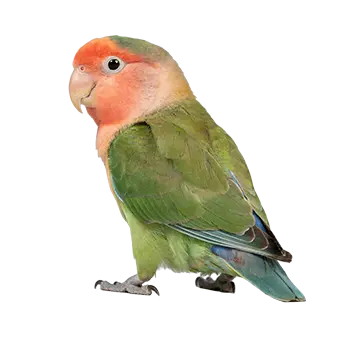

Wildlife & Exotic Pet Classification

The legal status of Peach-faced Lovebirds varies by jurisdiction, but they are generally classified as domesticated exotic birds rather than regulated wildlife in most countries where they are commonly kept. Because the species has been bred in captivity for well over a century and is not considered threatened in the wild, many national and local governments permit ownership without the specialized permits that apply to endangered or native parrot species. However, the distinction between a domesticated exotic and a regulated wild animal is not always clear-cut, and prospective owners should verify their local classification before acquiring a bird.

In the United States, Peach-faced Lovebirds are not listed under the Endangered Species Act or the Wild Bird Conservation Act's restricted species provisions, meaning that domestically bred birds can generally be bought and sold without federal permits. However, individual states may impose their own requirements. Some states maintain lists of approved or prohibited exotic species, and lovebirds may fall into different categories depending on the specific regulatory framework in place.

In the European Union, the species is not listed under CITES Appendix I or II, which means that captive-bred Peach-faced Lovebirds do not require CITES documentation for domestic trade within member states. Cross-border movement within the EU may still require health certificates and documentation proving captive-bred origin, depending on national implementation of the EU Animal Health Law. Owners should check the specific requirements of their country of residence.

Australia presents a notable exception to the general permissiveness surrounding lovebird ownership. Australian biosecurity regulations are among the most restrictive in the world for exotic bird species, and the importation of lovebirds is generally prohibited to protect native avian populations from disease and ecological disruption. Residents of Australia who wish to keep lovebirds must source birds from existing domestic breeding populations, where they exist, and comply with state-level exotic animal regulations.

Ownership Requirements & Permits

While many jurisdictions allow Peach-faced Lovebird ownership without a specific permit, some localities require registration, licensing, or notification for exotic bird species. Municipal ordinances in certain cities and counties may impose limits on the number of birds that can be kept in a residential setting, establish minimum cage size requirements, or require owners to register their birds with local animal control authorities. These regulations are often designed to address noise concerns, sanitation, and the potential for escaped birds to establish feral populations.

Breeders typically face a more complex regulatory landscape than casual pet owners. Commercial breeding operations may need business licenses, facility inspections, and compliance with animal welfare standards that govern enclosure dimensions, veterinary care, and record-keeping. In some jurisdictions, breeders who sell birds across state or national lines must maintain transaction records and provide health certificates for each bird sold. The specific requirements vary widely and can change with relatively little notice, making it important for breeders to maintain current knowledge of applicable regulations.

Banding and identification requirements also apply in some regions. Closed leg bands placed on chicks shortly after hatching serve as proof of captive-bred origin and can be required by breed registries, show organizations, or government agencies. In countries where wild-caught bird trade is restricted, banding provides a mechanism for distinguishing legally bred birds from those that may have been illegally captured. Owners and breeders who participate in shows or sales should be aware of any banding requirements in their jurisdiction.

Age restrictions on pet purchases may also affect lovebird acquisition. Some jurisdictions prohibit the sale of live animals to minors without parental consent, and pet shops may have their own policies regarding buyer age. These requirements are generally not specific to lovebirds but apply broadly to companion animal sales.

Liability & Noise Ordinances

Peach-faced Lovebirds, while smaller and generally quieter than many parrot species, are capable of producing sharp, high-pitched calls that can carry through walls and across property lines. In densely populated residential areas, noise complaints related to bird vocalizations can lead to disputes between neighbors and, in some cases, formal action under local noise ordinances. Owners should be aware that municipal noise regulations may apply to animal sounds, and persistent complaints could result in fines or orders to reduce the source of noise.

Liability for property damage or personal injury caused by pet birds is another consideration, though it arises less frequently with small species like lovebirds than with larger parrots. In general, pet owners are legally responsible for damage their animals cause to other people's property or person. While a lovebird bite is unlikely to cause serious injury, situations involving escaped birds that damage crops, gardens, or other animals' enclosures could potentially give rise to liability claims. Homeowners' and renters' insurance policies may or may not cover exotic pet-related incidents, and owners should review their coverage to understand any exclusions.

In multi-unit housing situations such as apartments and condominiums, bird ownership is frequently governed by lease agreements and homeowner association rules in addition to municipal law. Many leases restrict or prohibit pet ownership entirely, while others allow pets but impose species-specific limitations. Even where bird ownership is technically permitted, noise-related provisions in lease agreements or HOA bylaws may give landlords or associations grounds to require removal of a bird that generates repeated complaints.

Owners who breed lovebirds at home should be particularly attentive to noise concerns, as breeding pairs and growing chicks can significantly increase the overall volume of a household aviary. Proactive communication with neighbors and investment in soundproofing measures can help prevent conflicts before they escalate to formal complaints.

Housing & Rental Restrictions

Rental housing presents some of the most common legal barriers to Peach-faced Lovebird ownership. Landlords in many jurisdictions have broad discretion to establish pet policies for their properties, and these policies frequently restrict or prohibit exotic animals including birds. Prospective tenants who own lovebirds should clarify pet policies before signing a lease and, where possible, obtain written permission that specifically authorizes bird keeping.

Fair housing laws in the United States and similar legislation in other countries provide an exception for emotional support animals, which may include birds under certain circumstances. Individuals with documented disabilities who require an emotional support animal may be entitled to reasonable accommodations that override a landlord's general no-pet policy. However, the requirements for obtaining and documenting emotional support animal status vary by jurisdiction and have been subject to increasing scrutiny and regulatory tightening in recent years. Owners considering this route should consult current regulations and seek appropriate professional guidance.

Homeowners' associations in planned communities and condominium developments may impose their own pet restrictions that supplement or exceed local municipal regulations. These restrictions are typically enforceable as part of the association's governing documents, and violations can result in fines, mandatory pet removal, or other sanctions. Owners living in HOA-governed communities should review their association's covenants, conditions, and restrictions before acquiring a lovebird.

For owners who keep multiple birds or operate small breeding programs from their homes, zoning regulations may also come into play. Residential zoning designations in many municipalities restrict or prohibit commercial animal breeding activities, and even hobby breeding that produces noise or draws frequent visitor traffic could attract zoning enforcement action. Understanding the distinction between permitted personal pet keeping and regulated commercial activity is important for anyone who plans to breed lovebirds at home.

Import, Export & Interstate Transport

The international movement of Peach-faced Lovebirds is governed by a combination of wildlife trade regulations, agricultural quarantine requirements, and animal health laws. While the species is not currently listed on the most restrictive CITES appendices, international shipments of live birds typically require health certificates issued by accredited veterinarians, import permits from the destination country, and compliance with quarantine protocols designed to prevent the spread of avian diseases such as psittacosis, avian influenza, and Newcastle disease.

Within the United States, interstate transport of pet birds is generally permitted but may be subject to state-level veterinary health requirements. Some states require health certificates for birds entering their borders, and these certificates typically must be issued within a specified number of days before transport. The USDA's Animal and Plant Health Inspection Service (APHIS) oversees federal regulations related to animal transport, and state veterinarian offices administer state-specific requirements. Owners who plan to move or travel across state lines with their lovebirds should contact the destination state's veterinary authority in advance.

The European Union's pet passport system, while primarily designed for dogs, cats, and ferrets, does not extend to birds. Bird owners traveling within the EU must comply with the animal health requirements of each member state, which may include veterinary inspections, disease testing, and documentation of captive-bred origin. Post-Brexit regulations have added additional complexity for bird owners traveling between the United Kingdom and EU member states.

Countries with particularly strict biosecurity regimes, such as Australia and New Zealand, either prohibit the importation of lovebirds entirely or impose quarantine periods and testing requirements that can be lengthy and expensive. Owners considering international relocation should research destination country requirements well in advance, as the process of obtaining import permits and arranging quarantine can take months.

Rescue, Rehoming & Welfare Law

Animal welfare legislation in most jurisdictions imposes basic standards of care on pet bird owners, including requirements for adequate food, water, shelter, and veterinary attention. Failure to meet these standards can constitute animal neglect or cruelty, which may result in criminal charges, fines, seizure of animals, and prohibitions on future animal ownership. While enforcement actions involving small pet birds are less common than those involving dogs or cats, avian welfare cases do arise, particularly in situations involving hoarding, breeding operations with inadequate conditions, or abandonment.

The rehoming and rescue landscape for Peach-faced Lovebirds has grown significantly in recent decades, mirroring broader trends in companion animal welfare. Dedicated parrot rescue organizations accept surrendered lovebirds, provide veterinary care and behavioral rehabilitation, and place birds in screened adoptive homes. Many of these organizations operate as registered nonprofits and are subject to state charitable solicitation laws, animal shelter licensing requirements, and periodic inspections by animal control authorities.

Owners who can no longer care for their lovebirds have several legal options for rehoming, including surrender to a rescue organization, private rehoming through personal networks or online platforms, and return to the breeder or pet shop of origin if a return policy exists. Some jurisdictions regulate the online sale or transfer of live animals, requiring health disclosures, age verification, or platform-specific terms of service compliance. Owners should be aware that releasing a captive lovebird into the wild is illegal in most jurisdictions and can result in fines under wildlife or environmental protection statutes.

The growth of avian rescue organizations has also prompted legislative discussions about minimum standards for bird keeping, mandatory spay and neuter equivalents for birds (though surgical sterilization is not standard practice in avian medicine), and breeder accountability requirements. While comprehensive bird welfare legislation remains less developed than its counterparts for dogs and cats, the trend toward greater regulatory attention to companion bird welfare continues to advance in many jurisdictions.

Always consult a qualified professional before making any health-related decisions. This content is provided for informational reference only and should not replace professional guidance specific to your animal.