
Carrier Design & Selection

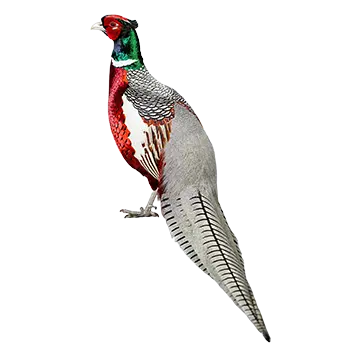
Selecting the right carrier is the single most important decision when preparing to transport a Lady Amherst's Pheasant. The species' elongated tail — which can exceed 80 centimeters in adult males — demands a container significantly larger than what would be used for a comparably weighted bird with a shorter profile. A carrier that compresses or bends the tail feathers during transit will cause breakage and stress, potentially ruining plumage that took an entire molt cycle to regrow. Purpose-built pheasant transport boxes are available from avicultural supply vendors and are the preferred option for keepers who move birds regularly.

The ideal carrier for a Lady Amherst's Pheasant is rectangular, constructed from smooth-sided plywood or molded plastic, and tall enough for the bird to stand naturally without its crest touching the ceiling but not so tall that the bird can gain enough height to injure itself in a panicked upward flush. A padded or foam-lined ceiling is strongly recommended, as pheasants are explosive flushers that will launch vertically when startled, and head injuries sustained against a hard carrier roof are one of the most common transport-related traumas in galliform species. The floor should be lined with a non-slip substrate — rubber shelf liner beneath a layer of clean straw or wood shavings works well — to prevent the bird from sliding during vehicle acceleration and braking.

Ventilation must be adequate but positioned to avoid direct drafts on the bird. Holes or mesh panels placed low on the sides of the carrier allow airflow at the bird's body level without creating wind currents that can chill the animal or cause eye irritation. The carrier should be dark or semi-dark inside, as reduced light has a pronounced calming effect on pheasants and dramatically reduces the frequency of panic-driven flush attempts. Some experienced transporters drape a breathable cloth over the carrier's ventilation openings to further reduce visual stimulation without compromising airflow.

For short trips — such as visits to an avian veterinarian — a well-ventilated cardboard box of appropriate dimensions can serve as a temporary alternative, provided it is sturdy enough to contain the bird and the interior is free of protruding staples or rough edges that could snag feathers or injure feet. However, cardboard is unsuitable for longer journeys or warm-weather transport, as it absorbs moisture, loses structural integrity when wet, and provides inadequate insulation against temperature extremes. Keepers who transport birds with any frequency should invest in a proper reusable carrier built to the specifications the species demands.

Vehicle Transport & Road Travel

Road transport is the most common method of moving Lady Amherst's Pheasants, whether for veterinary appointments, sales to other breeders, or relocation to new aviaries. The vehicle environment requires careful management to keep the bird safe and calm throughout the journey. Temperature control is paramount: pheasants are susceptible to both heat stress and chill, and the interior of a parked or poorly ventilated vehicle can reach lethal temperatures within minutes on a warm day. Air conditioning should be running before the bird is loaded, and the vehicle interior should be maintained between 15 and 24 degrees Celsius (approximately 59 to 75 degrees Fahrenheit) for the duration of the trip.

The carrier should be secured in the vehicle so that it cannot slide or tip during transit. Placing it on the floor of the rear passenger area, wedged between the front and rear seats, provides the most stable platform and minimizes the rocking and vibration that reach the bird. If the carrier must be placed on a seat, it should be strapped in with a seatbelt or cargo strap. The trunk or boot of a car is generally unsuitable because of poor ventilation, temperature extremes, and the concentration of exhaust fumes that can accumulate in enclosed cargo areas, though purpose-built livestock vehicles with ventilated cargo compartments are an acceptable alternative for longer hauls.

Driving style matters more than most keepers realize. Sudden acceleration, hard braking, and sharp cornering all destabilize the bird inside the carrier and trigger stress responses. Smooth, predictable driving — the kind associated with transporting an open container of liquid — should be the standard. Highway travel at consistent speeds is generally less stressful for the bird than stop-and-go urban driving, and planning a route that minimizes traffic lights, roundabouts, and construction zones can meaningfully reduce the cumulative stress load of a journey.

For trips exceeding two hours, keepers should plan a brief stop to check the bird's condition without opening the carrier in an unsecured environment. Listening for abnormal breathing sounds, checking that the carrier has not become soiled to the point of compromising hygiene, and confirming that the vehicle interior temperature remains appropriate are all reasonable mid-journey checks. Water can be offered via a shallow dish placed briefly inside the carrier, though many birds will not drink during active transport due to stress. Avoid offering food during the journey, as pheasants that eat while stressed are more prone to crop impaction.

Airline & Commercial Shipping

Shipping Lady Amherst's Pheasants by air is sometimes necessary for long-distance sales, relocation, or transfer between breeding programs. Air transport introduces a layer of logistical complexity that goes well beyond what road travel requires, and keepers considering this option should begin planning well in advance of the intended ship date. Most commercial airlines accept live birds only as cargo, not as cabin or checked baggage, and each airline maintains its own policies regarding species restrictions, container specifications, and seasonal embargoes during extreme weather periods.

The International Air Transport Association (IATA) publishes Live Animals Regulations that establish the global standard for air shipment of live creatures. These regulations specify container construction requirements, labeling protocols, ventilation standards, and handling procedures that airlines and ground handlers are expected to follow. For pheasants the regulations call for containers made of rigid, escape-proof material with adequate ventilation on at least three sides, a solid leak-proof floor with absorbent bedding, and external labeling indicating the presence of live animals, the correct orientation of the container, and emergency contact information for both shipper and consignee.

Securing space on a flight requires coordination with the airline's cargo or live animal shipping department, which may have limited availability, especially during peak shipping seasons or holiday travel periods. Many breeders work with specialized live animal shipping brokers who handle booking, paperwork, and logistical coordination as a full-service offering. These brokers maintain relationships with airline cargo teams and ground handling crews, and their experience can be invaluable in navigating the bureaucratic and practical complexities of air shipment. The cost of air shipping a pheasant — including container, freight charges, broker fees, and health certification — typically runs several hundred dollars for domestic U.S. shipments and can exceed that figure substantially for international routes.

Health documentation is a non-negotiable component of air shipment. Airlines require a veterinary health certificate issued within a specified window before the flight — usually 48 to 72 hours — confirming that the bird is free of visible signs of disease and fit to travel. For interstate shipments within the United States, a USDA-accredited veterinarian must issue the certificate, and some states require additional testing for specific diseases such as avian influenza or pullorum. International shipments add layers of documentation including export permits from the country of origin, import permits from the destination country, and in some cases CITES-related paperwork even for non-listed species if the destination country's regulations require it.

International Moves & Quarantine Protocols

Moving a Lady Amherst's Pheasant across international borders is among the most documentation-intensive tasks a keeper will face. Every country maintains its own import requirements for live birds, and these requirements are subject to change based on disease outbreaks, trade policy shifts, and evolving biosecurity assessments. The process typically begins months before the intended move, with the keeper contacting the national veterinary authority of the destination country to obtain current import conditions and application forms.

Quarantine is a standard component of international bird importation in most developed countries. Australia, New Zealand, and several EU member states require imported birds to spend a mandatory isolation period — ranging from 30 to 90 days depending on the jurisdiction — in a government-approved quarantine facility. During quarantine the birds are monitored for signs of disease, tested for specific pathogens including avian influenza and Newcastle disease virus, and held in biosecure conditions that prevent contact with local avian populations. The cost of quarantine is borne by the importer and can be substantial, often exceeding the purchase price of the bird itself.

The United States requires all imported birds to undergo a minimum 30-day quarantine at a USDA-operated or USDA-approved animal import center. Only a limited number of these facilities exist, and space must be reserved in advance. During quarantine the birds are tested for highly pathogenic avian influenza and other notifiable diseases, and any bird that tests positive or shows clinical signs of illness may be euthanized and will not be released to the importer. These protocols are designed to protect domestic poultry flocks and wild bird populations from the introduction of foreign disease agents, and they apply uniformly regardless of the species' conservation status or the importer's experience level.

Keepers planning international moves should also be aware of re-entry complications. A bird that leaves a country may not be eligible for re-importation under the same terms, particularly if the country of temporary residence experiences a disease outbreak during the bird's stay. The logistical and emotional risks of international transport — including the possibility of losing a valued bird to quarantine-related stress, testing protocols, or bureaucratic delays — should be weighed carefully against the reasons for the move. In many cases, sourcing birds from established breeders in the destination country is a simpler, less risky, and more cost-effective alternative to shipping birds across international lines.

Stress Management & Health During Transit

Lady Amherst's Pheasants are temperamentally reactive birds that experience transport as a significant stressor, and managing that stress is essential to ensuring the animal arrives at its destination in good health and condition. The physiological stress response in pheasants involves elevated corticosterone levels, increased heart and respiration rates, suppressed immune function, and in severe cases acute capture myopathy — a potentially fatal condition in which extreme exertion and fear cause muscle damage, kidney failure, and death. Understanding these risks allows keepers to take preventive measures that dramatically improve transport outcomes.

Pre-transport preparation begins days before the move. Birds that are accustomed to being calmly approached and handled will tolerate capture and crating with less panic than birds that are rarely interacted with. While Lady Amherst's Pheasants are not domesticated animals and most will not become truly tame, regular low-pressure exposure to human presence reduces the intensity of the flight response when capture becomes necessary. On the day of transport, capture should be conducted early in the morning or after dark, when pheasants are naturally calmer and less likely to mount an explosive flush. Using a landing net in a confined catch pen is less traumatic than chasing a bird through an open aviary.

During transit the single most effective stress reducer is darkness. A covered carrier that blocks most visual input keeps the bird in a resting state and prevents the repeated startle responses that occur when the bird sees movement outside the container. Noise should be minimized as well — radio or conversation at moderate volume is generally tolerable, but sudden loud sounds such as horn blasts or slamming doors can trigger violent flush attempts. Maintaining a consistent, moderate temperature inside the vehicle prevents the additional physiological burden of thermoregulation from compounding transport stress.

Post-arrival management is as important as the transport itself. When the bird reaches its destination, the carrier should be placed inside the new enclosure and the door opened quietly, allowing the bird to emerge on its own terms rather than being tipped or shaken out. A newly arrived pheasant should be given access to fresh water and a quiet, sheltered area within the aviary where it can acclimate without harassment from established residents. Monitoring for signs of transport-related illness — lethargy, labored breathing, refusal to eat or drink for more than 24 hours, or unusual droppings — should continue for several days after arrival, and any bird showing these signs should be evaluated by an avian veterinarian promptly.

Seasonal Considerations & Special Circumstances

The timing of a Lady Amherst's Pheasant transport can significantly affect both the bird's welfare and the logistical feasibility of the move. Seasonal factors influence temperature extremes, disease risk, the bird's physiological state, and the availability of shipping services, and experienced keepers plan their transport schedules around these variables rather than treating them as afterthoughts.

Winter transport in temperate climates carries the risk of cold stress, particularly for birds shipped by air where containers may be exposed to sub-zero temperatures on airport tarmacs during loading and unloading. Most airlines impose cold-weather embargoes that prohibit live animal shipments when ground temperatures at the origin, destination, or any transit point fall below a specified threshold — typically around minus 12 degrees Celsius (10 degrees Fahrenheit) for birds. Keepers shipping during cold months should line carriers with extra bedding, use insulated containers where possible, and schedule flights that minimize tarmac exposure time. For road transport in winter, pre-warming the vehicle and avoiding overnight travel in unheated trucks are basic precautions.

Summer presents the opposite challenge. Heat stress is a leading cause of transport mortality in galliform birds, and the Lady Amherst's Pheasant's dense plumage makes it more susceptible to overheating than bare-skinned or lightly feathered species. Airlines impose warm-weather embargoes as well, typically suspending live shipments when ground temperatures exceed 29 to 35 degrees Celsius (approximately 85 to 95 degrees Fahrenheit) depending on the carrier's policies. Road transport in summer should be scheduled for the coolest part of the day — early morning is strongly preferred — and vehicles should never be left stationary with birds inside unless the engine and air conditioning are running.

Breeding season adds another dimension to transport planning. Males in full breeding plumage are at peak value but also at peak stress reactivity, and the elaborate tail and cape feathers are most vulnerable to damage during this period. Moving males during the active breeding season — roughly March through June in the Northern Hemisphere — risks feather breakage that will not be corrected until the next annual molt. Conversely, transporting birds during or immediately after the molt (late summer through autumn) means working with birds whose new plumage is still growing in, and pin feathers are easily damaged by rough handling. The optimal transport window for most keepers is late autumn through early winter, when the birds are in settled post-molt condition, breeding hormones have subsided, and moderate temperatures reduce weather-related complications.

Special circumstances such as relocating an entire breeding group, transporting birds to exhibitions or shows, or moving birds as part of a breeding loan arrangement each introduce their own logistical considerations. Group transport requires individual carriers for each bird — housing multiple pheasants together in a single container during transport is a recipe for injury, stress, and feather damage. Exhibition birds may need additional conditioning and handling practice in the weeks before the show to ensure they present calmly in unfamiliar environments. Breeding loans should include written agreements specifying transport responsibilities, insurance coverage, and protocols for returning the bird at the end of the loan period.

Always consult a qualified professional before making any health-related decisions. This content is provided for informational reference only and should not replace professional guidance specific to your animal.