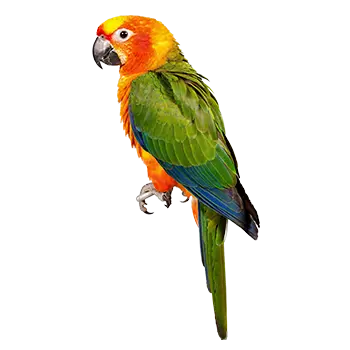

Pre-Travel Preparation & Health Checks

Successful travel with a Jenday Conure begins well before the day of departure. The single most important preparatory step is a thorough veterinary examination conducted by an avian veterinarian familiar with psittacine species. This pre-travel checkup should include a physical assessment of the bird's overall condition, evaluation of feather and skin health, a fresh fecal analysis to screen for parasites and bacterial infections, and any diagnostic tests the veterinarian considers appropriate based on the bird's history and the nature of the planned travel. A bird showing signs of illness, stress, or compromised immune function should not be subjected to the additional strain of travel until it has fully recovered.

For domestic travel within the United States, most states do not require a formal health certificate for companion birds moving between jurisdictions, but some do, and requirements can change. Owners should verify the specific entry requirements of their destination state by contacting the state veterinarian's office or reviewing the relevant state department of agriculture website. When a certificate of veterinary inspection is required, it must typically be issued within a specified window before the date of travel, often 10 to 30 days, and must be signed by a USDA-accredited veterinarian. Planning ahead is essential, as scheduling a veterinary appointment and processing the necessary paperwork can take time that is not available at the last minute.

Carrier acclimation is another critical element of pre-travel preparation. Jenday Conures that have never been confined to a travel carrier may react with panic, sustained distress calls, and attempts to escape when placed in an unfamiliar enclosure. To prevent this, owners should introduce the carrier into the bird's environment weeks or even months before the planned trip, allowing the bird to explore it at its own pace, eat treats inside it, and gradually become comfortable with the door being closed. Short practice sessions in which the bird spends increasing amounts of time in the carrier, including brief car rides around the neighborhood, can dramatically reduce travel-day anxiety for both bird and owner.

Assembling a travel kit well in advance ensures that nothing essential is forgotten on departure day. This kit should include the bird's regular food, bottled water from home to avoid digestive disruption from unfamiliar water chemistry, any medications the bird takes, a basic first-aid kit, copies of veterinary records and health certificates, contact information for avian veterinarians near the destination, familiar small toys or comfort items, and paper towels or cage liners for easy cleanup during the journey. Having these materials organized and accessible minimizes stress during the logistically demanding moments of departure and arrival.

Ground Transportation & Road Trips

Road travel is the most common and often the most practical mode of transport for Jenday Conure owners, offering the greatest degree of control over the bird's environment and schedule. The foundation of safe car travel is a well-designed, appropriately sized travel carrier secured in the vehicle with a seatbelt or cargo strap. The carrier should be large enough for the bird to turn around and stretch its wings partially, but small enough to prevent the bird from being thrown around during sudden stops or turns. Hard-sided carriers with secure latches are generally preferred over soft-sided options, as they provide better protection in the event of a collision and are more resistant to the determined beak of a conure seeking an exit.

Temperature management inside the vehicle is a critical safety consideration. Jenday Conures are tropical birds with limited tolerance for temperature extremes, and the interior of a parked car can reach lethal temperatures within minutes on a warm day. The bird should never be left unattended in a parked vehicle, regardless of season, and the car's climate control system should be used to maintain a stable temperature between approximately 65 and 80 degrees Fahrenheit throughout the journey. Direct sunlight streaming through windows can create localized hot spots even when the cabin temperature feels comfortable, so positioning the carrier away from direct sun exposure or using a lightweight cover on the sun-facing side of the carrier is advisable.

Feeding and hydration during road travel require some adaptation from the bird's normal routine. Many owners find it most practical to offer food and water during scheduled stops rather than attempting to maintain open dishes in a moving vehicle, where spills are inevitable and liquid containers can become projectiles. Stops every two to three hours allow the bird to eat, drink, and rest in a stationary environment, and these breaks also provide an opportunity for the owner to check the bird's condition, clean the carrier if needed, and stretch their own legs. Offering familiar foods during stops, rather than novel treats, helps maintain the bird's digestive stability during a period that already involves considerable environmental disruption.

The Jenday Conure's characteristically loud vocalizations can present a unique challenge during extended road trips. Confined birds may call persistently, particularly during the first hours of travel or when the vehicle is stopped in an unfamiliar environment. While some owners find that partially covering the carrier with a light cloth helps reduce visual stimulation and calm the bird, others report that their Jendays are quieter when they can see their human companions. Experimentation during practice trips will help each owner determine what works best for their individual bird. Playing soft music or maintaining a calm, conversational tone in the vehicle can also help settle a vocal traveler.

Air Travel Policies & Procedures

Air travel with a Jenday Conure is possible but requires considerably more planning and research than a road trip. Airline policies regarding the transport of live birds vary significantly between carriers and are subject to change, so owners must contact their specific airline well in advance to confirm current rules, fees, and booking procedures. Some airlines permit small birds to travel in the cabin in an approved carrier that fits under the seat, while others require all birds to be shipped as checked baggage or cargo. A smaller number of airlines do not accept live birds at all on passenger flights.

For airlines that allow cabin travel, the bird must typically be housed in a carrier that meets the airline's specific dimensional requirements for under-seat storage. These dimensions vary by aircraft type and airline, and owners should measure carefully to ensure compliance before arriving at the airport. The carrier must be leak-proof, well-ventilated, and secure enough to prevent the bird from escaping during the flight. Most airlines require that the bird remain in the carrier for the duration of the flight, including during boarding and deplaning, and the carrier counts as one of the passenger's permitted carry-on items.

When cabin transport is not available, birds may need to travel as checked baggage or through a dedicated cargo service. Cargo transport introduces additional variables including temperature fluctuations in the cargo hold, the stress of separation from the owner for extended periods, and the handling procedures used by ground crews and cargo personnel. Owners considering cargo transport should inquire specifically about the airline's live animal handling protocols, the temperature and pressurization conditions in the cargo compartment, and any breed-specific restrictions that may apply. Many avian veterinarians and experienced bird owners advise against cargo transport for parrots when cabin travel is a viable alternative, given the inherent risks involved.

Regardless of how the bird travels, owners should arrive at the airport with all required documentation readily accessible. This typically includes proof of health certification, evidence of legal ownership, and any permits required by the destination state or country. Security screening procedures at TSA checkpoints in the United States generally require the bird to be removed from its carrier so the carrier can pass through the X-ray machine. The bird should be held securely by the owner during this process, ideally with wings gently restrained to prevent an escape attempt. Practicing this handling procedure before the day of travel can reduce the stress of the security checkpoint experience for both bird and owner.

International Travel Documentation

Traveling internationally with a Jenday Conure involves a multi-layered documentation process that must be completed accurately and within specified timelines to avoid refusal of entry at the destination. The requirements differ depending on the countries involved, but several common elements apply to most international bird movements. At the foundation is the CITES framework, which governs the cross-border movement of Appendix II-listed species. Any international transport of a Jenday Conure requires a valid CITES export permit from the country of departure, and many destination countries also require a CITES import permit that must be obtained before the bird leaves its home country.

In the United States, owners planning international travel with their Jenday Conure must apply for a CITES export permit through the U.S. Fish and Wildlife Service. The application process requires documentation proving that the bird is captive-bred and legally owned, typically including breeder records, purchase receipts, and closed leg band identification. Processing times for CITES permits can extend to several weeks or longer, so applications should be submitted well in advance of the planned departure date. Owners should also confirm whether the destination country requires a separate import permit and, if so, initiate that application process concurrently.

Beyond CITES documentation, most countries require a veterinary health certificate for imported birds. In the United States, this certificate must be issued by a USDA-accredited veterinarian and endorsed by a USDA Veterinary Services office, a two-step process that adds time and logistical complexity to the preparation. The health certificate typically must confirm that the bird is free from clinical signs of infectious disease and that it meets any species-specific testing requirements imposed by the destination country. Some countries require testing for avian influenza, Newcastle disease, psittacosis, or other pathogens, and these tests may need to be conducted within a narrow window before departure.

Return travel to the United States with a companion bird requires compliance with U.S. Centers for Disease Control and Prevention import regulations, which currently require birds to be quarantined at a USDA animal import center for a minimum of 30 days at the owner's expense. This quarantine requirement applies even to birds that originated in the United States and are returning after a trip abroad, making international travel with a companion parrot a significantly more burdensome undertaking than domestic travel. Owners contemplating an international trip with their Jenday Conure should weigh the substantial time, expense, and stress involved against the alternative of arranging competent in-home care for the bird during their absence.

Boarding, Pet Sitting & Alternatives to Travel

For many Jenday Conure owners, the logistical complexity and inherent stress of travel lead to the conclusion that leaving the bird in competent care at home or at a boarding facility is the better option. Selecting an appropriate care arrangement requires careful evaluation of the available options and an honest assessment of the bird's temperament, health status, and tolerance for disruption. The ideal caregiver, whether a professional pet sitter, a knowledgeable friend, or a dedicated avian boarding facility, should have specific experience with parrots and an understanding of the behavioral and dietary needs that distinguish conure care from the care of more common companion animals.

Professional avian boarding facilities have become increasingly available in urban and suburban areas, offering environments specifically designed for the housing and care of companion birds. The best of these facilities provide individual enclosures of appropriate size, controlled temperature and lighting, daily out-of-cage time, fresh food preparation following the owner's dietary specifications, and staff trained to recognize signs of illness or distress in psittacine species. Owners considering boarding should visit the facility in advance, inspect the housing conditions, ask about ventilation and disease prevention protocols, and confirm that a veterinary relationship is in place for emergency situations.

In-home pet sitting offers the advantage of keeping the bird in its familiar environment, which can significantly reduce the stress associated with displacement. A pet sitter who visits the home once or twice daily to feed, water, and interact with the bird preserves the routines and sensory surroundings that contribute to the Jenday's sense of security. However, the success of this arrangement depends on the sitter's ability to engage meaningfully with the bird and to handle unexpected situations such as escape attempts, sudden illness, or behavioral changes. Detailed written instructions covering the bird's diet, daily routine, behavioral quirks, emergency contacts, and veterinary information should be prepared for any sitter, regardless of their experience level.

Some Jenday Conure owners have developed informal care networks within the avicultural community, arranging reciprocal bird-sitting with fellow conure keepers who understand the species' specific needs. These peer-to-peer arrangements can provide a level of competence and attentiveness that is difficult to find through commercial services, though they depend on mutual trust and a shared understanding of husbandry standards. Regardless of the care arrangement chosen, owners should conduct a trial run before any extended absence, leaving the bird with the designated caregiver for a night or weekend to identify and resolve any issues before a longer separation.

Safety, Comfort & Stress Management During Travel

Managing a Jenday Conure's stress during travel is as important as handling the logistical and legal details. Birds are sensitive to environmental disruption, and the combination of confinement, unfamiliar sounds, changes in air pressure, altered light cycles, and separation from their normal territory can produce a measurable physiological stress response. Understanding how travel-related stress manifests in Jenday Conures and taking proactive steps to mitigate it can make the difference between a manageable journey and a genuinely harmful experience for the bird.

Common signs of stress in a traveling Jenday Conure include persistent vocalization, feather fluffing, rapid or open-mouth breathing, refusal to eat, excessive grooming or feather picking, and unusual aggression or withdrawal. Some of these responses are transient and resolve once the bird acclimates to the new situation, while others may indicate a level of distress that warrants intervention. Monitoring the bird's behavior throughout the journey and during the adjustment period at the destination allows the owner to respond appropriately, whether that means offering a favorite treat, reducing visual stimulation by partially covering the carrier, or consulting a veterinarian if symptoms persist.

Environmental enrichment within the constraints of the travel carrier can help keep the bird's stress levels in check. Small foot toys, a piece of familiar fabric from the home cage, or a sprig of millet attached to the carrier bars provide sensory engagement that can distract a bird from the unfamiliarity of its surroundings. The carrier's perch should be positioned at a comfortable height and width, securely fastened to prevent movement during transport. Lining the carrier floor with absorbent paper rather than loose substrate keeps the interior clean and prevents the bird from ingesting bedding material during the journey.

Upon arrival at the destination, the Jenday Conure should be given time to decompress in a quiet, temperature-controlled space before being introduced to a new cage setup or unfamiliar surroundings. Maintaining the bird's normal feeding schedule and offering familiar foods helps restore a sense of routine after the disruption of travel. Owners who travel regularly with their Jenday Conures often report that birds become more relaxed with repeated experiences, suggesting that gradual desensitization to travel, beginning with short trips and progressively increasing duration and complexity, is the most effective long-term strategy for producing a confident, travel-tolerant companion.

Always consult a qualified professional before making any health-related decisions. This content is provided for informational reference only and should not replace professional guidance specific to your animal.