
Car Travel

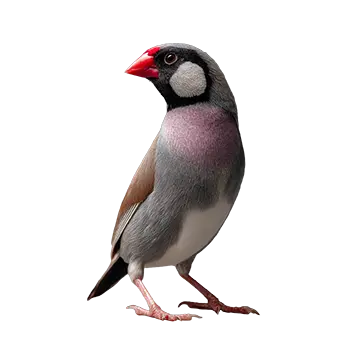
Transporting a Java Sparrow by car requires preparation focused on temperature control, secure containment, and minimizing stress. A small, well-ventilated travel cage or carrier is the safest option for car trips. The carrier should be large enough for the bird to perch comfortably but small enough to prevent the bird from being thrown around during sudden stops or turns. Line the bottom with a non-slip material such as a towel or paper towels to give the bird stable footing during the ride.

Temperature management is critical when traveling with Java Sparrows by car. These tropical birds are sensitive to cold and should never be transported in vehicles where the interior temperature drops below approximately 65°F (18°C). During warm weather, avoid leaving the bird in a parked car even for short periods, as interior temperatures can rise to dangerous levels within minutes. Position the carrier away from direct air conditioning vents, which can create cold drafts, and away from direct sunlight streaming through windows.

Secure the carrier on a flat, stable surface such as the floor behind the front passenger seat or on the back seat with a seatbelt threaded through or around it to prevent sliding. Avoid placing the carrier in the trunk, where ventilation is poor and temperature fluctuations are extreme. If the journey is longer than an hour, bring water in a spill-resistant dish or offer water during rest stops. Fresh seed or millet spray can be placed in the carrier for longer trips to keep the bird calm and nourished.

Java Sparrows are relatively calm travelers compared to many parrot species, but they can still experience stress from the unfamiliar motion and sounds of car travel. Partially covering the carrier with a light cloth can help reduce visual stimulation and promote calm behavior. Speaking softly to the bird during the trip and avoiding loud music or sudden noises will also help keep stress levels manageable.

Air Travel

Air travel with a Java Sparrow presents unique challenges related to airline policies, regulatory requirements, and the physical demands of flight on a small bird. Airline policies on live bird transport vary significantly, and many major carriers restrict or prohibit the carriage of birds in the passenger cabin. Some airlines permit small birds in approved carriers as carry-on items, while others require that birds travel as checked cargo or through dedicated animal transport services. Researching and confirming airline policies well in advance of travel is essential.

For international flights, the regulatory requirements multiply considerably. CITES documentation may be required depending on the origin and destination countries, and health certificates issued by an accredited veterinarian are almost universally required. Some countries impose quarantine periods on imported birds, and the documentation process can take weeks or months to complete. The Java Sparrow's CITES Appendix II listing means that additional paperwork may be necessary compared to species not covered by the convention.

If airline cabin transport is permitted, use an airline-approved carrier that fits under the seat and provides adequate ventilation. The carrier should contain a secure perch and a small amount of food for the journey. Avoid placing water dishes in the carrier during flight, as turbulence will cause spills; instead, offer water during layovers. The pressurized cabin environment is generally safe for small birds, but the reduced humidity can be a concern on longer flights.

For birds that must travel as cargo, selecting an airline with a dedicated live-animal handling program is strongly recommended. Cargo holds designated for live animals are typically pressurized and temperature-controlled, but conditions can vary. Extreme weather policies may restrict animal transport during very hot or cold periods. If possible, book direct flights to minimize the time the bird spends in transit and to avoid the risks associated with transfers between aircraft.

Pet-Friendly Accommodations

Finding accommodations that welcome birds can be more challenging than finding dog- or cat-friendly lodging, but options do exist for travelers with Java Sparrows. Many hotels and vacation rentals that advertise pet-friendly policies are primarily thinking of dogs and cats, so it is important to confirm directly with the property that birds are permitted before booking. Some properties may accept birds with an additional pet deposit or cleaning fee, while others may have blanket prohibitions on caged animals.

Vacation rental platforms often provide more flexibility than traditional hotels for bird owners. Properties that allow pets may be more accommodating of birds, particularly when the owner is informed in advance and assured that the bird will remain caged and will not cause damage. Communicating clearly about the type and size of the bird, the housing setup, and any noise considerations can help alleviate concerns that property owners may have about hosting a bird guest.

When staying in accommodations with a Java Sparrow, bring the bird's regular cage or a suitable travel cage that provides adequate space for the duration of the stay. Ensure the room is bird-safe before allowing the bird any out-of-cage time — this means closing windows, covering mirrors, securing ceiling fans, and removing any toxic plants or open water sources. Maintain the bird's regular feeding and lighting schedule as closely as possible to minimize stress from the change in environment.

For extended stays or relocations, seeking out accommodations near avian veterinary services is a wise precaution. Having a local veterinarian identified before arrival ensures that professional help is available if the bird shows signs of illness or injury during the trip. Online avicultural communities and local bird clubs can be valuable resources for identifying bird-friendly accommodations and veterinary services in unfamiliar areas.

Boarding & Pet Sitting

When travel without the bird is the better option, arranging appropriate care for a Java Sparrow requires finding a caretaker with specific avian knowledge. General pet sitters may be comfortable with dogs and cats but unfamiliar with the dietary, environmental, and behavioral needs of finches. Seeking out pet sitters or boarding facilities with explicit experience in bird care will significantly reduce the risk of problems arising during the owner's absence.

Avian boarding facilities are available in many larger metropolitan areas, though they are far less common than dog or cat boarding operations. These facilities typically maintain climate-controlled environments, provide species-appropriate diets, and employ staff with training in bird handling and health monitoring. When evaluating a boarding facility, visit in person to assess cleanliness, noise levels, ventilation, and the overall condition of birds already in their care. Ask about their protocols for disease prevention, emergency veterinary care, and daily enrichment.

In-home pet sitting is often the least stressful option for Java Sparrows, as it allows the bird to remain in its familiar cage and environment. A knowledgeable pet sitter should be briefed on the bird's feeding schedule, dietary requirements, water-change routine, and any behavioral quirks. Written care instructions covering food quantities, treats, bathing preferences, lighting schedules, and emergency contact information for both the owner and an avian veterinarian should be provided to every sitter.

For owners who belong to local avicultural clubs or online bird-keeping communities, fellow enthusiasts can be an excellent source of experienced and trustworthy pet sitters. Many bird keepers are willing to care for a fellow hobbyist's birds during absences, and their existing knowledge of avian husbandry provides a level of competence that general pet sitters may lack. Reciprocal care arrangements between bird-keeping friends are a common and effective solution within the avicultural community.

Emergency Preparedness

Emergency preparedness for Java Sparrow owners involves planning for situations ranging from natural disasters and power outages to sudden veterinary emergencies while traveling or at home. A well-prepared bird owner maintains an emergency kit that includes a travel carrier, a supply of the bird's regular food, bottled water, basic first-aid supplies, copies of veterinary records, and contact information for avian veterinarians in the area and along any planned travel routes.

Natural disasters such as hurricanes, floods, wildfires, and severe winter storms present particular challenges for bird owners. Java Sparrows are sensitive to temperature extremes and poor air quality, making them vulnerable during events that disrupt heating, cooling, or air filtration systems. Having a portable, battery-operated heat source and an air filtration option in the emergency kit can be important safeguards. Owners should identify in advance where they will shelter with their bird if evacuation becomes necessary, as not all emergency shelters accept pets and even fewer accommodate birds.

Power outages during cold weather can be life-threatening for Java Sparrows, which cannot tolerate prolonged exposure to temperatures below their comfort range. Insulating the cage with blankets, using chemical hand warmers placed safely outside the cage to provide supplemental heat, and relocating the bird to the warmest room in the house are immediate steps that can help maintain safe temperatures until power is restored. During hot weather outages, moving the bird to the coolest available location, providing fresh water frequently, and misting the bird lightly can help prevent heat stress.

For owners who travel frequently with their Java Sparrows, maintaining a permanent travel emergency kit in the vehicle is a practical measure. This kit should include a backup supply of food, a collapsible water dish, a small first-aid kit with styptic powder for minor bleeding, a flashlight, and a list of emergency avian veterinary clinics along commonly traveled routes. Planning for the unexpected is especially important when traveling with a small, temperature-sensitive bird whose needs may not be readily met by general emergency services.

Always consult a qualified professional before making any health-related decisions. This content is provided for informational reference only and should not replace professional guidance specific to your animal.