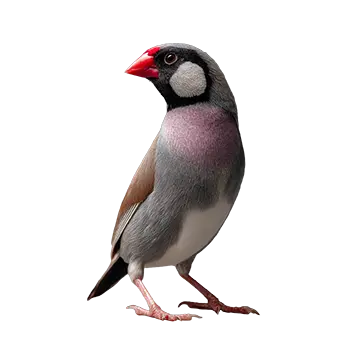

The Java Sparrow is classified as Endangered on the IUCN Red List, a designation that carries significant legal implications for the species' trade and management worldwide. This conservation status reflects the dramatic decline of wild populations in their native Indonesian range, driven by habitat loss, agricultural persecution, and extensive trapping for the cage-bird trade. The endangered classification has prompted a range of national and international regulatory responses aimed at curbing the pressures that threaten the species' survival in the wild.
The species is listed under Appendix II of the Convention on International Trade in Endangered Species of Wild Fauna and Flora (CITES), which regulates international commercial trade. Under CITES Appendix II, international trade in Java Sparrows requires export permits issued by the country of origin, and these permits are granted only when authorities are satisfied that the trade will not be detrimental to the survival of the species. This regulatory framework applies to both wild-caught and captive-bred individuals, though the permitting requirements differ.
In Indonesia, the Java Sparrow is protected under national wildlife legislation, and the capture of wild individuals is prohibited. However, enforcement of these protections has been a persistent challenge, and wild-caught Java Sparrows continue to appear in domestic bird markets. Indonesian authorities have periodically conducted enforcement operations targeting illegal bird traders, but the scale of the domestic bird market and the cultural significance of bird keeping make comprehensive enforcement difficult.
Prospective Java Sparrow owners should be aware that the species' conservation status can affect the legality and logistics of acquiring, keeping, and selling these birds. Regulations vary significantly by jurisdiction, and what is permissible in one country or state may be restricted or prohibited in another. Consulting local wildlife authorities before acquiring a Java Sparrow is a prudent first step.