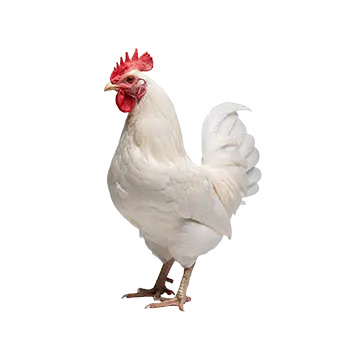

Choosing the right carrier is the foundation of safe and stress-free transport for Japanese Bantams. The breed's small size, short legs, and long tail feathers create specific requirements that not all general-purpose poultry carriers meet. The ideal carrier for a Chabo should be large enough for the bird to stand and turn around without crushing its tail, but small enough to prevent the bird from being thrown about during vehicle movement. For most Japanese Bantams, a carrier with interior dimensions of roughly 12 by 12 by 14 inches provides adequate space for a single bird, though larger specimens or birds with particularly full tails may require more room.
Ventilation is critical. Poultry carriers must allow adequate airflow to prevent overheating and the buildup of ammonia from droppings, but openings should be positioned and sized so that drafts do not blow directly onto the bird. Many experienced exhibitors use purpose-built poultry show boxes constructed from lightweight plywood or corrugated plastic with ventilation holes drilled in the upper portions of the sides and back. Commercial pet carriers designed for cats or small dogs can also work, provided the ventilation openings are appropriate and the carrier floor is lined with non-slip material.
Bedding in the carrier serves multiple functions: it cushions the bird against road vibrations, absorbs droppings during transit, and provides a surface with enough traction to prevent the bird from sliding. Pine shavings, straw, or shredded paper are commonly used. Avoid cedar shavings, which can release aromatic oils irritating to avian respiratory systems, and avoid newspaper alone, which becomes slippery when soiled. A layer of bedding two to three inches deep is generally sufficient for trips lasting several hours.
Before any journey, the carrier should be cleaned and disinfected, particularly if it has been used for other birds. Biosecurity between trips is as important as biosecurity at the destination. Experienced exhibitors often maintain dedicated show carriers that are thoroughly sanitized after each use and stored in a clean, dry location between events. Labeling each carrier with the owner's name, contact information, and basic information about the bird inside is a practical precaution that can facilitate a reunion if birds and owners become separated during a large event.