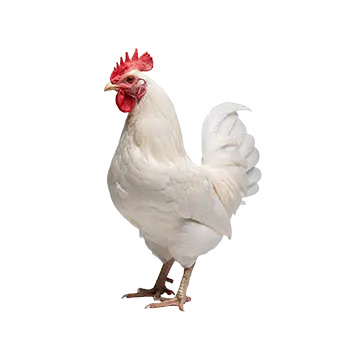

The Japanese Bantam has a long and distinguished presence in the visual arts of Japan, appearing in media that span several centuries and multiple artistic traditions. During the Edo period, when the breed reached the height of its popularity among the Japanese aristocracy, Chabo were depicted in woodblock prints, painted scrolls, and folding screens alongside other subjects drawn from the natural world. These images reflect the same meticulous attention to detail and compositional elegance that characterize the finest examples of Japanese naturalistic art, and they provide valuable historical documentation of the breed's physical appearance and the settings in which it was kept.
Perhaps the most significant artistic representations of ornamental poultry in Japan come from the tradition of kacho-ga, the genre of bird-and-flower painting that has been a pillar of Japanese art since the Heian period. While kacho-ga most commonly features wild birds such as cranes, plovers, and herons, domestic fowl including bantam chickens also appear, particularly in works produced during the Edo and Meiji eras. Artists rendered these birds with careful observation, capturing the Chabo's characteristically short legs, forward-arching tail, and compact body with an accuracy that modern breeders can still appreciate.
Beyond formal painting, the Chabo appeared in Japanese decorative arts including ceramic ware, lacquerwork, netsuke carvings, and textile design. The breed's bold silhouette, essentially a circle of body and a dramatic fan of tail, lent itself well to stylized decorative motifs. Roosters in particular, with their vivid plumage and confident posture, were popular subjects for craftsmen working across these media. These objects circulated among collectors and were sometimes exported, introducing the Chabo's image to audiences far beyond Japan's borders.
The artistic legacy of the Japanese Bantam in traditional Japanese media underscores the breed's status as more than a simple domestic animal. In the hands of skilled artists, the Chabo became an emblem of cultivated taste and natural beauty, a creature whose form reflected the same principles of balance, restraint, and aesthetic refinement that governed Japanese garden design, floral arrangement, and the tea ceremony. This association with high culture has shaped perceptions of the breed to the present day.