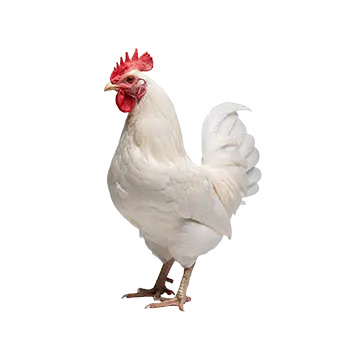

The Japanese Bantam, known in its homeland as the Chabo, is a true bantam breed with no large-fowl counterpart. Its precise ancestral lineage remains a subject of scholarly discussion, but the prevailing consensus among poultry historians is that the breed's progenitors arrived in Japan from Southeast Asia, likely through maritime trade networks that connected the Japanese archipelago to Indochina and the Malay Peninsula during the medieval period. Small, short-legged chickens resembling proto-Chabo types have been documented across the broader region, and genetic analysis supports an origin rooted in the Red Junglefowl populations of mainland and island Southeast Asia.
Once established in Japan, the birds were subjected to generations of highly deliberate selective breeding that emphasized a distinctive silhouette: extremely short legs, a compact body carried close to the ground, and a large, upright tail that arcs forward over the back. This combination of features was not accidental but reflected a Japanese aesthetic sensibility that prized refinement, balance, and visual harmony in living creatures as much as in visual arts or garden design. The short-legged trait is governed by a gene that, when homozygous, is lethal to developing embryos, a genetic constraint that has shaped breeding strategies for centuries and that breeders must still navigate carefully today.
Historical records suggest that the earliest recognizable Chabo appeared during the late Muromachi period or early Edo period, roughly the 16th century. Some Japanese sources trace the breed's introduction to the 1600s, coinciding with a period of intensified cultural exchange between Japan and its continental trading partners. Whether the founding stock arrived as diplomatic gifts, merchant curiosities, or incidental cargo remains unclear, but the birds rapidly found favor among the Japanese aristocracy and samurai class.
What distinguishes the Chabo's origin story from that of most other chicken breeds is the degree to which it was shaped by aesthetic rather than utilitarian goals. While most poultry breeds evolved under selection pressures tied to egg production, meat yield, or cockfighting prowess, the Japanese Bantam was bred almost exclusively for visual beauty and companionship. This ornamental orientation defined the breed from its earliest days and continues to distinguish it within the global poultry landscape.