
Film & Television

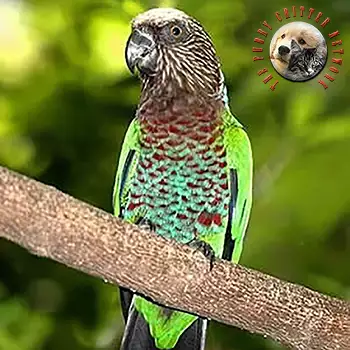
The Hawk-headed Parrot has made occasional but memorable appearances in film and television, primarily within the nature documentary genre. Wildlife programs focusing on the Amazon rainforest and its biodiversity have featured the species as a highlight of tropical avian diversity, with camera crews capturing its dramatic crest display in vivid detail. These segments have introduced the Hawk-headed Parrot to millions of viewers who would otherwise have no exposure to the species.

Nature documentary series produced by major broadcasting organizations have included the Hawk-headed Parrot in episodes dedicated to the ecology of the Amazon canopy. The bird's unique defensive display, in which it fans its ornamental head feathers to create a startling ruff of red and blue, makes for particularly compelling footage. Filmmakers have noted that the display is one of the most photogenic behaviors in the parrot family and frequently use it as a visual centerpiece in segments about avian adaptation.

Outside of documentary programming, the Hawk-headed Parrot has appeared in a handful of fictional productions set in tropical environments. While rarely identified by name in these contexts, its distinctive silhouette has been used by production designers seeking to convey the richness and exoticism of rainforest settings. The species' visual impact on screen is considerable, even in brief cameo appearances.

Animal-focused television programs and educational shows have also featured the Hawk-headed Parrot in segments about unusual pets and exotic bird keeping. These appearances have helped raise the species' profile among audiences interested in aviculture while also providing opportunities to discuss the responsibilities and challenges associated with keeping such a specialized companion bird.

Literature & Art

The Hawk-headed Parrot has been a subject of fascination in natural history literature since the earliest European expeditions into South America. Ornithological texts from the eighteenth and nineteenth centuries include detailed descriptions and hand-colored plates depicting the species, with particular attention paid to its unique crest feathers. These early illustrations remain prized by collectors and continue to appear in reprinted editions of classic ornithological works.

In modern field guides and bird identification books, the Hawk-headed Parrot is routinely featured as one of the most distinctive neotropical parrots. Illustrators face the enjoyable challenge of depicting both the bird's resting appearance, which is relatively understated for a parrot, and its full crest display, which transforms it into one of the most visually dramatic birds in the Americas. Many guides include paired illustrations showing both states.

Contemporary avian artists have found the Hawk-headed Parrot to be an inspiring subject. The contrast between the bird's compact body and its elaborate fan of head feathers provides a compositional tension that lends itself well to both realistic and stylized artistic interpretations. Paintings and prints featuring the species have appeared in gallery exhibitions dedicated to wildlife art and in the collections of bird-focused art organizations.

The species has also appeared in popular science books about animal behavior, intelligence, and evolution. Authors writing about the cognitive abilities of parrots, the evolution of ornamental plumage, or the ecological complexity of tropical forests have used the Hawk-headed Parrot as a case study or illustrative example, bringing the species to the attention of readers interested in biology and natural history beyond the birdwatching community.

Internet & Social Media

The rise of social media and video-sharing platforms has been transformative for the Hawk-headed Parrot's public profile. Videos showing captive Hawk-headed Parrots raising their crests, vocalizing, playing with toys, and interacting with their owners have accumulated millions of views across platforms. The dramatic visual effect of the crest display translates exceptionally well to short-form video content, making it a natural fit for platforms that reward visually striking and shareable moments.

Dedicated Hawk-headed Parrot accounts on social media platforms have cultivated sizable followings, with individual birds becoming minor celebrities within the online bird-keeping community. These accounts typically document the daily lives of pet Hawk-headed Parrots, showcasing their personalities, behavioral quirks, and the strong bonds they form with their human companions. The content serves as both entertainment and an informal educational resource for prospective and current owners.

Online forums and discussion groups focused on parrot keeping have long-standing threads dedicated to the Hawk-headed Parrot. These communities serve as repositories of husbandry knowledge, breeding records, and behavioral observations contributed by experienced keepers from around the world. For a species that is relatively uncommon in captivity, these online resources have been invaluable in connecting isolated owners and breeders who might otherwise have limited access to species-specific information.

The species has also become a popular subject in online birdwatching communities, where photographs taken by birders who have encountered Hawk-headed Parrots in the wild are shared and discussed with enthusiasm. Sighting reports from the Amazon Basin generate considerable excitement, as the species is not commonly encountered even within its native range, and high-quality photographs of wild Hawk-headed Parrots remain relatively rare.

Advertising & Branding

The Hawk-headed Parrot's striking appearance has occasionally attracted the attention of advertisers and brand designers, though its use in commercial contexts remains far less common than that of more widely recognized parrot species such as macaws or cockatoos. When it has appeared in advertising, the species is typically employed to convey themes of rarity, uniqueness, and tropical luxury.

Ecotourism operators in South America have used images of the Hawk-headed Parrot in promotional materials for rainforest lodges and guided birding tours. The species serves as an effective visual ambassador for the biodiversity of the Amazon, promising potential visitors the chance to encounter rare and spectacular wildlife. Tour operators specializing in birdwatching expeditions frequently list the Hawk-headed Parrot among the target species for their Amazon itineraries.

Within the pet industry, the Hawk-headed Parrot has appeared in catalogs and promotional materials for specialty avian product manufacturers. Companies producing premium bird food, enrichment toys, and aviary equipment have featured the species in their marketing to signal that their products cater to the needs of exotic and specialized bird species, not just common household pets.

Conservation organizations have also leveraged the visual appeal of the Hawk-headed Parrot in fundraising campaigns and awareness materials. The species' dramatic crest display provides a ready-made visual hook for campaigns focused on rainforest preservation and the protection of neotropical bird species. These uses, while not commercial advertising in the traditional sense, have contributed significantly to the species' visibility in public discourse.

The Popularity Effect

Media exposure has had a complex and sometimes contradictory effect on the Hawk-headed Parrot's popularity as a pet species. On one hand, viral videos and documentary appearances have increased awareness of the species and generated interest among prospective bird owners. On the other hand, the species' demanding care requirements and relatively limited availability in captive-bred populations mean that increased demand does not always translate into positive outcomes.

Experienced aviculturists have expressed concern that media-driven interest in the Hawk-headed Parrot may lead unprepared individuals to acquire birds they are not equipped to care for properly. The species is known for its intense personality, strong bonding tendencies, and potential for behavioral challenges if its social and environmental needs are not met. These characteristics make it a poor choice for inexperienced bird owners, a nuance that is often lost in brief media portrayals.

The responsible avicultural community has responded to increased media attention by producing educational content aimed at potential owners, emphasizing the long-term commitment, specialized knowledge, and significant resources required to keep a Hawk-headed Parrot successfully. Breeders who specialize in the species often screen prospective buyers carefully and provide extensive guidance on husbandry, diet, and behavioral management.

Despite these concerns, the net effect of media exposure on the Hawk-headed Parrot has been largely positive in terms of conservation awareness and public appreciation. Greater visibility has translated into broader support for habitat preservation initiatives and captive breeding programs, and the species enjoys a level of public recognition today that would have been unimaginable a few decades ago. The challenge going forward lies in ensuring that this popularity is channeled into responsible ownership and meaningful conservation action rather than impulse acquisitions.

Always consult a qualified professional before making any health-related decisions. This content is provided for informational reference only and should not replace professional guidance specific to your animal.