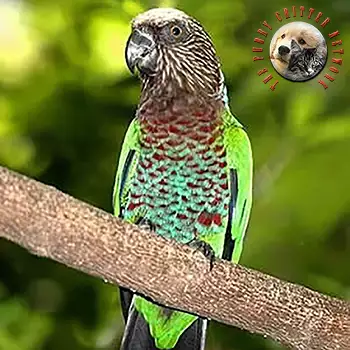

The Hawk-headed Parrot is listed under Appendix II of the Convention on International Trade in Endangered Species of Wild Fauna and Flora, commonly known as CITES. This listing means that international trade in the species is permitted but strictly regulated. Any cross-border transfer of a Hawk-headed Parrot, whether a live bird, feathers, or other specimens, requires valid CITES export permits from the country of origin and, in many cases, corresponding import permits from the destination country.
Appendix II status reflects the international community's assessment that while the Hawk-headed Parrot is not currently facing imminent extinction, unregulated trade could pose a threat to its long-term survival in the wild. The CITES framework is designed to ensure that any commercial trade in the species is sustainable and does not undermine wild population viability. Countries that are signatories to CITES are obligated to enforce these regulations through their national wildlife agencies.
The practical effect of CITES listing is that legitimate international trade in Hawk-headed Parrots is limited primarily to captive-bred individuals accompanied by proper documentation. Wild-caught Hawk-headed Parrots are rarely available through legal channels, as most range countries have enacted domestic bans or severe restrictions on the capture and export of wild parrots. Prospective buyers should verify that any Hawk-headed Parrot offered for sale has been bred in captivity and comes with appropriate paperwork.
Violations of CITES regulations carry significant penalties, including fines, confiscation of animals, and criminal prosecution. Enforcement agencies in major importing countries, including the United States Fish and Wildlife Service and equivalent bodies in European Union member states, actively investigate suspected cases of illegal wildlife trade involving parrot species.