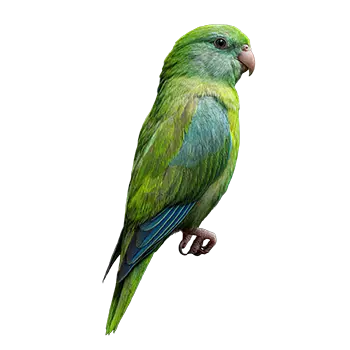

Preparing Your Parrotlet for Travel

Preparation is the single most important factor in ensuring a safe and low-stress travel experience for a Green-Rumped Parrotlet. Because these birds are small and have rapid metabolisms, they are more susceptible to temperature fluctuations, dehydration, and stress-related health events than larger parrot species. Planning should begin well in advance of any trip, starting with a pre-travel veterinary examination to confirm that the bird is in good health and fit to travel. An avian veterinarian can assess the parrotlet's weight, hydration status, respiratory function, and overall condition, and can provide a health certificate if one is required by the destination or the mode of transport.

Acclimation to the travel carrier is an essential step that should begin days or even weeks before the trip. Green-Rumped Parrotlets are creatures of routine, and an unfamiliar enclosure introduced on the morning of travel is likely to provoke anxiety and resistance. Keepers should place the travel carrier in the bird's living area with the door open, allowing the parrotlet to explore it voluntarily. Placing familiar food items, a small toy, and a piece of fabric that carries the scent of the bird's regular environment inside the carrier can accelerate the acclimation process. Short practice sessions in which the bird is confined to the carrier for increasing durations help build tolerance and familiarity.

Dietary preparation is another consideration that is easy to overlook. In the days leading up to travel, keepers should ensure that the parrotlet is well hydrated and well nourished, as the disruption of normal feeding routines during transit can have outsized effects on a bird that weighs less than an ounce. Packing familiar foods, including the bird's preferred seeds, pellets, and fresh produce, ensures continuity during the trip and reduces the risk of food refusal due to stress. Water delivery during transit requires particular attention, as open water dishes are impractical in a moving vehicle or aircraft. Small, spill-proof water dispensers or water-rich fruits such as grapes and cucumber slices can help maintain hydration without creating a mess in the carrier.

Finally, keepers should assemble a travel kit that includes essential supplies beyond food and water. This kit should contain a basic first aid supplies appropriate for birds, any medications the parrotlet takes regularly, contact information for avian veterinarians at the destination, copies of health certificates and ownership documentation, and a lightweight cover for the carrier that can block light and reduce visual stimulation during periods of high stress. Having these materials organized and readily accessible eliminates last-minute scrambling and contributes to a calmer departure for both bird and keeper.

Carrier Selection & Setup

Choosing the right travel carrier is a critical decision that directly affects the parrotlet's comfort and safety during transit. For Green-Rumped Parrotlets, the ideal carrier is small enough to feel secure but large enough to allow the bird to turn around, stretch its wings briefly, and access food and water. Hard-sided carriers made of durable plastic with ventilation holes or mesh panels on multiple sides are generally preferred over soft-sided alternatives for most travel scenarios, as they provide better protection against crushing, temperature extremes, and escape. The carrier should have a secure latch mechanism that the bird cannot manipulate, as parrotlets are surprisingly adept at figuring out simple closure systems.

The interior setup of the carrier should prioritize stability and comfort. A low perch positioned near the center of the carrier gives the bird a secure foothold during movement, reducing the risk of injury from being tossed around during vehicle stops, turns, or turbulence. The perch should be positioned low enough that the bird will not hit its head against the carrier ceiling if startled. The floor of the carrier should be lined with absorbent material such as paper towels or unprinted newsprint, which can be replaced during longer trips to maintain hygiene. Avoid loose substrates like wood shavings or sand, which can shift during transit and create respiratory irritation.

For air travel, carrier specifications are typically dictated by the airline and must conform to size limits for under-seat stowage in the cabin or to cargo hold requirements for checked transport. Because the Green-Rumped Parrotlet is so small, most airline-approved pet carriers designed for cats or small dogs will be more than adequate in terms of size, and some airlines accept smaller carriers specifically designed for birds. Keepers should confirm the airline's specific carrier requirements well in advance of booking, as these policies vary between carriers and can change without notice. Labeling the carrier with the owner's contact information, flight details, and a clear indication that a live bird is inside is advisable for any mode of transport.

Temperature management within the carrier deserves careful attention, particularly during extreme weather. Green-Rumped Parrotlets are tropical birds that are sensitive to cold, and exposure to temperatures below approximately 65 degrees Fahrenheit can cause stress and health problems. During cold weather travel, wrapping the carrier in an insulating cover while maintaining adequate ventilation helps buffer temperature drops. In hot weather, ensuring good airflow and avoiding direct sunlight on the carrier are the primary concerns. Chemical heat packs or cooling elements should be used with caution, positioned outside the carrier where the bird cannot access them, and monitored to prevent overheating or overcooling.

Road Travel & Short Trips

Road travel is the most common form of transport for Green-Rumped Parrotlets, whether for routine veterinary visits, relocations within the same region, or longer drives to new homes. For short trips of an hour or less, the primary considerations are securing the carrier safely within the vehicle and maintaining a comfortable temperature. The carrier should be placed on a flat, stable surface such as a vehicle floor behind the front seats or on a seat with a seatbelt secured around it to prevent sliding during sudden stops. Placing the carrier on the front passenger seat is inadvisable in vehicles equipped with passenger-side airbags, as airbag deployment could crush the carrier.

During the drive, the vehicle's climate control system should be used to maintain a stable temperature in the range that the parrotlet finds comfortable, typically between 68 and 80 degrees Fahrenheit. Avoid directing air conditioning or heating vents directly at the carrier, as concentrated airflow can cause rapid temperature changes at the bird's level. Windows should remain closed to prevent drafts and to eliminate the risk of escape if the carrier were to open unexpectedly. Playing soft music or maintaining normal conversation in the vehicle can help mask unfamiliar road noises and create a calming auditory environment for the bird.

For longer road trips exceeding two or three hours, additional planning is necessary to address the bird's needs for food, water, and rest. Planned stops every two to three hours allow the keeper to check on the parrotlet, offer food and water, replace soiled carrier lining, and assess the bird's condition. These stops should be conducted with the vehicle parked in a shaded area with the engine running to maintain climate control, or in a location where the bird can be briefly brought indoors. Never leave a parrotlet unattended in a parked vehicle, even with windows cracked, as interior temperatures can rise to dangerous levels within minutes during warm weather and can drop precipitously in cold conditions.

Overnight road trips present the additional challenge of providing the parrotlet with a rest period in a quiet, temperature-controlled environment. If hotel stays are necessary, keepers should confirm the hotel's pet policy in advance, as many hotels that accept dogs and cats may not explicitly permit birds. Bringing a small, collapsible cage or a secondary enclosure that is slightly larger than the travel carrier allows the bird to stretch and eat comfortably during overnight stops. The room should be secured against escape hazards, including open windows, gaps behind furniture, and toilet bowls, before the bird is allowed out of the carrier.

Air Travel Considerations

Air travel with a Green-Rumped Parrotlet requires substantially more planning and documentation than road travel, and the feasibility of flying with a bird depends heavily on the policies of the specific airline, the route, and the regulatory requirements of the departure and arrival jurisdictions. Airline policies regarding live birds vary widely: some carriers permit small birds in the cabin as carry-on pets, while others restrict live animals to the cargo hold or do not accept birds at all. Policies can differ not only between airlines but between routes operated by the same airline, and they are subject to change. Keepers should contact the airline directly to confirm current pet travel policies, required documentation, and any associated fees well in advance of booking.

Cabin travel, when permitted, is generally the preferred option for a Green-Rumped Parrotlet because it allows the keeper to monitor the bird's condition throughout the flight and to intervene if problems arise. The bird must remain in its carrier under the seat in front of the keeper for the duration of the flight, and the carrier must fit within the airline's under-seat dimensions. Because parrotlets are so small, meeting size requirements is rarely an issue, but the carrier must still be airline-approved and provide adequate ventilation. Keepers should be prepared for the possibility that the bird may vocalize during the flight, though Green-Rumped Parrotlets are generally quieter than larger parrots and are unlikely to cause significant disturbance.

Cargo hold travel, while sometimes the only option available, introduces risks that must be carefully evaluated. Cargo holds on commercial aircraft are pressurized and temperature-controlled, but conditions can be less stable than in the cabin, and the bird will be without direct supervision for the duration of the flight. Extreme temperatures on the tarmac during boarding and deplaning pose the greatest risk, particularly during summer and winter months. Many airlines impose temperature-based embargoes that prohibit live animal transport when ground temperatures at the origin or destination airport exceed or fall below specified thresholds. Keepers should inquire about these embargoes and schedule flights during moderate weather whenever possible.

Documentation requirements for air travel with a parrotlet typically include a recent health certificate issued by a licensed veterinarian, often within ten days of travel. For domestic flights within the United States, a USDA-accredited veterinarian must issue the health certificate on the appropriate APHIS form. International flights require additional documentation that may include CITES permits, import permits from the destination country, and veterinary endorsement by government authorities. The specific requirements depend on the countries involved and can be complex; keepers planning international air travel should begin the documentation process at least several weeks in advance and should consider consulting a pet transport specialist for routes involving multiple countries or complex regulatory environments.

International Relocation & Cross-Border Transport

Relocating a Green-Rumped Parrotlet across international borders is among the most complex travel scenarios a keeper may face, involving the intersection of CITES regulations, national import and export laws, veterinary health requirements, and quarantine protocols. The process begins with determining the specific requirements of the destination country, which can vary enormously. Some countries have straightforward import procedures for captive-bred psittacines, while others impose extended quarantine periods, mandatory disease testing, or outright bans on the importation of certain bird species. Researching these requirements early is essential, as some documentation and testing protocols have lead times of weeks or months.

CITES documentation is required for virtually all international movements of parrot species, including the Green-Rumped Parrotlet. For a personal pet being relocated with its owner, a CITES re-export certificate from the country of current residence is typically required, along with an import permit from the destination country. The application process for these documents involves demonstrating the legal provenance of the bird, usually through band numbers, breeder records, and purchase documentation. Processing times for CITES permits vary by country and can range from a few days to several weeks, making early application a practical necessity.

Veterinary requirements for international relocation typically include a health examination and certificate issued within a short window before departure, testing for specific diseases such as avian influenza and psittacosis (chlamydiosis), and in some cases, a period of pre-export isolation or quarantine. The European Union, Australia, New Zealand, and several Asian countries maintain particularly stringent import health requirements for live birds, reflecting concerns about the introduction of avian diseases. Keepers relocating to these destinations should expect a more involved and potentially more expensive process than those moving between countries with less restrictive import protocols.

Professional pet transport services can be valuable resources for keepers navigating the complexities of international relocation. These companies specialize in the logistics of moving live animals across borders, and they maintain current knowledge of regulatory requirements, airline policies, and quarantine procedures for a wide range of destination countries. While their services add to the cost of relocation, the expertise they provide can prevent costly errors, reduce delays, and minimize stress for both the bird and the keeper. For keepers managing the process independently, the CITES management authority and veterinary services of both the origin and destination countries are the primary sources of authoritative guidance.

Managing Stress & Post-Travel Recovery

Travel is inherently stressful for Green-Rumped Parrotlets, and understanding the signs of stress and the strategies for mitigating it is an essential component of responsible travel planning. Behavioral indicators of stress in parrotlets include abnormal silence or excessive vocalization, fluffed feathers, rapid or labored breathing, refusal to eat or drink, and changes in droppings. Physical signs such as discharge from the nares or eyes, tail bobbing, and lethargy may indicate more serious distress or illness and should prompt immediate veterinary attention. Keepers should monitor their bird closely throughout the travel process and be prepared to modify plans if the bird shows signs of significant distress.

During transit, minimizing sensory overload is one of the most effective strategies for reducing stress. Covering the carrier with a lightweight, breathable cloth limits visual stimulation from unfamiliar environments, reduces the startle response triggered by sudden movements or passing objects, and creates a sense of enclosure that many birds find calming. The cover should not restrict airflow, and keepers should check periodically to ensure that the bird is not overheating beneath it. Maintaining a calm, quiet demeanor and speaking to the bird in a familiar, reassuring tone can also help, as parrotlets are attuned to the emotional state of their human companions and may respond to perceived anxiety with increased distress of their own.

Post-travel recovery deserves as much attention as the travel itself. Upon arrival at the destination, the parrotlet should be returned to a familiar or appropriately set up cage in a quiet, temperature-stable room. Offering the bird's preferred foods and fresh water immediately upon arrival encourages eating and drinking, which may have been reduced during transit. Keeping the environment calm and minimizing handling for the first day or two allows the bird to decompress and readjust to a stationary environment. Avoid introducing the bird to new people, animals, or environments during the recovery period, as the cumulative stress of travel and novelty can overwhelm even a well-socialized parrotlet.

A post-travel veterinary checkup is advisable, particularly after long-distance or international travel. An avian veterinarian can assess the bird's weight, hydration, respiratory status, and overall condition, and can identify any health issues that may have developed or been exacerbated during transit. If the bird was exposed to other animals during transport, such as in a cargo hold shared with other pets, the veterinarian may recommend prophylactic testing for common avian pathogens. Establishing a relationship with an avian veterinarian at the destination before the trip, when possible, ensures that care is available promptly upon arrival and facilitates continuity of the bird's health records.

Always consult a qualified professional before making any health-related decisions. This content is provided for informational reference only and should not replace professional guidance specific to your animal.