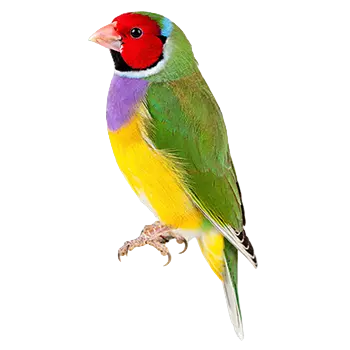

Gouldian Finches are more sensitive to the stresses of transport than many commonly kept bird species, and careful preparation is essential to ensure their safety and welfare during any journey. The species' tropical origins mean it is particularly intolerant of cold and drafts, and its relatively high-strung temperament makes it more susceptible to stress-related health problems than hardier finch species such as Zebra Finches or Society Finches. Recognizing these vulnerabilities and planning accordingly is the foundation of safe transport.
Before any journey, the birds should be assessed for fitness to travel. Birds that are molting, breeding, incubating eggs, or feeding chicks should not be transported unless absolutely necessary, as these physiological states increase vulnerability to stress. Any bird showing signs of illness, including lethargy, fluffed feathers, labored breathing, or discharge from the eyes or nares, should be examined by an avian veterinarian before travel is considered. A health check within a few days of a planned journey provides both peace of mind and, in many cases, the health certification required by airlines or regulatory authorities.
Acclimation to the transport carrier reduces stress significantly. In the days leading up to a journey, placing the travel container in or near the birds' regular enclosure allows them to become familiar with it as an object in their environment. Some keepers feed treats inside the carrier to create a positive association. For birds that have never been transported before, a brief practice session in which the bird is placed in the carrier for a short period and then returned to its aviary can help reduce the shock of confinement on the day of travel.
Dietary preparation also plays a role. Birds should be well hydrated and well fed before transport but not overfed immediately before departure, as a heavily full crop can cause discomfort during movement. Offering a small amount of easily digestible seed and ensuring access to water up to the point of departure helps maintain energy reserves without creating digestive stress. Some experienced transporters add a small amount of electrolyte supplement to the water in the days before travel to support hydration and resilience.