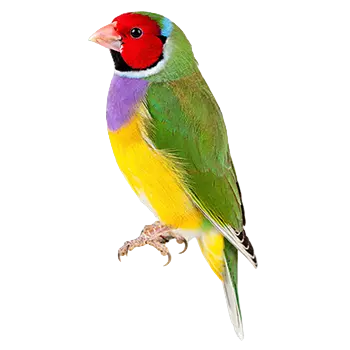

Australian Federal Wildlife Protection

The Gouldian Finch is protected under Australia's primary federal environmental legislation, the Environment Protection and Biodiversity Conservation Act 1999 (EPBC Act). The species is listed as endangered under this act, a classification that reflects the significant decline in wild populations observed during the 20th century. This federal listing imposes strict prohibitions on the taking, killing, injuring, or trading of wild Gouldian Finches and provides the legal foundation for habitat protection and recovery planning at the national level.

Under the EPBC Act, any action that is likely to have a significant impact on a listed threatened species or its habitat requires referral to the Australian federal environment minister for assessment. This provision applies to development proposals, land clearing, changes to fire management regimes, and other activities that could affect the savanna woodlands where wild Gouldian Finches occur. The act also empowers the creation of recovery plans, which set out the research, management, and monitoring actions needed to support the species' long-term survival.

Australia's blanket ban on the export of native wildlife, originally enacted under the Wildlife Protection (Regulation of Exports and Imports) Act 1982 and continued under the EPBC Act, means that wild-caught or captive-bred Gouldian Finches cannot be legally exported from Australia for commercial purposes. This prohibition has been in effect since 1960 and was instrumental in forcing the international avicultural trade to become self-sustaining through captive breeding programs based on birds already held outside Australia.

The federal framework interacts with state and territory legislation to create a layered system of protection. While the EPBC Act sets the overarching standards, day-to-day regulation of wildlife is largely administered at the state and territory level, and the specific requirements for keeping, breeding, and trading Gouldian Finches vary between jurisdictions. Understanding this interplay between federal and state law is essential for anyone involved with the species in Australia, whether as a keeper, breeder, researcher, or land manager.

State & Territory Regulations in Australia

Within Australia, each state and territory administers its own wildlife legislation, and the rules governing the keeping and breeding of Gouldian Finches differ accordingly. In most jurisdictions, captive-bred Gouldian Finches may be kept and bred by licensed aviculturists, but the licensing requirements, record-keeping obligations, and inspection provisions vary in detail. Some states require a basic bird-keeping license for any native species, while others apply tiered licensing systems that categorize species by conservation sensitivity.

In the Northern Territory, where the majority of wild Gouldian Finch populations occur, regulations are particularly attentive to the species' conservation status. Permits for keeping native birds are administered by the Northern Territory Parks and Wildlife Commission, and holders are typically required to maintain records of acquisitions, disposals, and breeding outcomes. Western Australia and Queensland, which also host portions of the species' wild range, impose similar requirements under their respective wildlife acts, with penalties for unauthorized capture or possession of wild birds.

States and territories outside the Gouldian Finch's natural range, including New South Wales, Victoria, South Australia, and Tasmania, generally permit the keeping of captive-bred Gouldians under standard native bird licenses. The requirements in these jurisdictions focus on ensuring that birds in private collections are lawfully acquired from captive-bred stock and that keepers comply with welfare standards. Some states impose limits on the number of birds that may be held without an advanced license or restrict breeding to holders of specific permit categories.

Prospective Gouldian Finch keepers in Australia should consult the wildlife authority in their specific state or territory before acquiring birds, as regulations are subject to periodic revision and enforcement practices can vary. Avicultural societies at the state level are valuable resources for navigating local requirements, and many maintain up-to-date summaries of the licensing frameworks applicable to their members. Compliance with these regulations is not merely a legal obligation but also a practical contribution to the traceability and legitimacy of captive populations.

International Trade & CITES Status

The international trade in Gouldian Finches is governed primarily by the Convention on International Trade in Endangered Species of Wild Fauna and Flora (CITES), to which Australia and the vast majority of countries with significant avicultural communities are signatories. The Gouldian Finch is not individually listed on the CITES appendices; however, all Australian parrots and many Australian bird species fall under broader protections that intersect with CITES implementation. Australia's domestic export ban on native wildlife effectively supersedes CITES considerations for birds originating from Australia.

Outside Australia, captive-bred Gouldian Finches are traded legally in most countries, provided that the birds can be documented as captive-bred rather than wild-caught. In the European Union, importation and intra-community trade in captive-bred Gouldian Finches are generally permitted, though individual member states may impose additional documentation or quarantine requirements. Breeders and dealers are typically required to provide evidence of captive breeding, such as closed leg bands with breeder identification codes, and to comply with veterinary health certification standards.

The United States permits the keeping and breeding of captive-bred Gouldian Finches without federal permits, as the species is not listed under the U.S. Endangered Species Act and is not subject to the Wild Bird Conservation Act's restrictions on imports, which apply primarily to parrots. However, state-level regulations may apply, and importation of live birds into the United States requires compliance with U.S. Department of Agriculture quarantine protocols and U.S. Fish and Wildlife Service inspection at designated ports of entry.

Countries in Asia, particularly Japan, Indonesia, and parts of Southeast Asia, have active Gouldian Finch aviculture communities, and local trade regulations vary significantly. Japan has historically maintained a strong market for Gouldian Finches and their color mutations, with well-established breeder networks and relatively permissive import regulations for captive-bred finches. Prospective buyers and breeders operating internationally should verify the specific requirements of both the exporting and importing countries, as discrepancies between national regulations can create compliance pitfalls that carry serious legal and financial consequences.

Ownership & Breeding Permits

The permit requirements for owning and breeding Gouldian Finches depend heavily on the keeper's jurisdiction. In Australia, as outlined above, a wildlife keeping license is generally required, and the conditions attached to that license dictate what species may be kept, how many birds may be held, and what records must be maintained. Breeders who sell birds are often subject to additional requirements, including registration as wildlife dealers and compliance with standards for housing, hygiene, and transport.

In the United States, no federal permit is required to keep or breed captive-bred Gouldian Finches, but state and local regulations can apply. Some states require permits for the keeping of any exotic or non-native bird species, while others regulate only particular taxa or impose requirements only on commercial breeders. Municipal ordinances in certain cities and counties may further restrict bird keeping, particularly in residential zones where noise, odor, or zoning concerns arise. Breeders who sell birds across state lines should be aware of the Lacey Act, which prohibits the trafficking of wildlife in violation of any state, tribal, or foreign law.

In the European Union, the regulatory landscape is shaped by both EU-wide directives and national implementing legislation. The EU Wildlife Trade Regulations establish the framework for trade in species listed under CITES and related annexes, while individual member states may impose additional controls. In practice, captive-bred Gouldian Finches circulate freely within the EU provided they carry closed leg bands and are accompanied by documentation confirming their captive-bred status. Breeders who participate in exhibitions or sell birds internationally should familiarize themselves with the specific requirements of each destination country.

Regardless of jurisdiction, responsible keepers and breeders maintain thorough records of their birds' provenance, breeding history, and health status. Closed leg bands issued by recognized avicultural societies serve as a primary means of identification and traceability, and their use is either required or strongly encouraged in most regulatory frameworks. Accurate record-keeping not only satisfies legal requirements but also supports genetic management, facilitates veterinary care, and provides evidence of lawful acquisition in the event of an inspection or inquiry.

Welfare Standards & Housing Regulations

Legal frameworks governing the keeping of Gouldian Finches increasingly incorporate welfare standards that go beyond basic prohibitions on cruelty to prescribe minimum conditions for housing, nutrition, and care. In Australia, each state and territory has enacted animal welfare legislation that applies to all captive animals, including birds, and codes of practice or guidelines for the keeping of caged birds typically specify minimum enclosure dimensions, environmental enrichment requirements, and standards for access to food, water, and veterinary care.

The Gouldian Finch's specific needs present welfare considerations that generic bird-keeping regulations may not fully address. The species requires warm, draft-free housing with adequate ventilation, as it is intolerant of cold and damp conditions that temperate-climate species might tolerate without difficulty. In cooler climates, heated indoor aviaries or bird rooms are necessary during winter months, and keepers are expected to provide lighting conditions that support the birds' physiological needs, including exposure to full-spectrum lighting that simulates natural sunlight.

In the European Union, Directive 1999/22/EC on the keeping of wild animals in zoos establishes welfare standards applicable to public collections, but private keepers are regulated under national animal welfare laws that vary in specificity. Some EU member states have published detailed guidance on the keeping of passerine birds, including minimum cage or aviary dimensions, social grouping requirements, and dietary standards. In the United Kingdom, the Animal Welfare Act 2006 imposes a general duty of care on all animal keepers, and the RSPCA and other organizations have published guidance specifically addressing the welfare needs of finches and other small cage birds.

Enforcement of welfare standards for privately held birds varies widely. In some jurisdictions, animal welfare inspectors have the authority to enter premises, inspect bird-keeping facilities, and issue compliance orders or penalties. In others, enforcement is largely complaint-driven, and standards are effectively self-regulated within the avicultural community. Avicultural societies often play an informal but important role in promoting welfare standards through their codes of ethics, exhibition judging criteria, and member education programs, supplementing the formal legal framework with community-driven expectations of responsible care.

Staying Informed & Ensuring Compliance

The legal landscape surrounding Gouldian Finch ownership, breeding, and trade is dynamic, and regulations are subject to change as conservation priorities evolve, new scientific information becomes available, and legislative frameworks are updated. Keepers and breeders bear the responsibility of staying informed about the current requirements in their jurisdiction, and ignorance of applicable regulations is not a defense against enforcement action. Proactive engagement with regulatory authorities, avicultural societies, and legal resources is the most effective way to ensure ongoing compliance.

Avicultural societies and finch clubs are among the most valuable resources for navigating the regulatory environment. These organizations typically maintain relationships with wildlife authorities, monitor legislative developments, and communicate relevant changes to their membership through newsletters, meetings, and online platforms. Membership in a reputable society also provides access to experienced keepers who can offer practical guidance on compliance, record-keeping, and best practices for documentation.

For keepers who breed and sell Gouldian Finches, particularly across jurisdictional boundaries, maintaining meticulous records is essential. Documentation should include the provenance of every bird in the collection, breeding records showing parentage and hatch dates, band numbers, veterinary records, and records of all sales and transfers. In the event of an inspection, inquiry, or dispute, comprehensive records demonstrate good faith and provide evidence of lawful acquisition and responsible management.

The broader principle underlying the legal framework is that the privilege of keeping and breeding Gouldian Finches carries obligations, both to the individual birds in one's care and to the species as a whole. Compliance with regulations supports the traceability and legitimacy of captive populations, discourages illegal trade, and contributes to the conservation outcomes that allow the avicultural community to continue working with this remarkable species. Keepers who approach the legal dimension of their hobby with the same diligence they apply to husbandry and breeding are best positioned to enjoy the Gouldian Finch for years to come while contributing positively to its long-term future.

Always consult a qualified professional before making any health-related decisions. This content is provided for informational reference only and should not replace professional guidance specific to your animal.