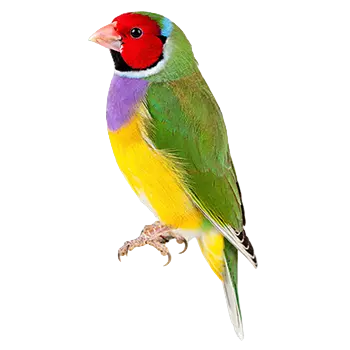

Car Travel

Transporting Gouldian Finches by car requires careful attention to temperature control, as these tropical birds are sensitive to cold drafts and sudden temperature changes. The vehicle's interior should be maintained at a stable, warm temperature, ideally between 70 and 80 degrees Fahrenheit. Avoid placing the travel carrier directly in the path of air conditioning vents or in direct sunlight, both of which can create harmful temperature extremes for the birds.

A small, secure travel cage or carrier is essential for car trips. The carrier should be large enough for the birds to perch comfortably but small enough to prevent excessive movement during sudden stops or turns. Line the bottom with a non-slip material such as a towel or paper towels to provide traction and absorb droppings. Secure the carrier with a seatbelt or place it on the floor behind a seat to prevent it from sliding or tipping during transit.

Water should be provided in a shallow, spill-resistant dish or a specialized travel water dispenser designed for small birds. For trips lasting more than a couple of hours, offer fresh food such as spray millet or leafy greens that the birds can nibble on without creating a mess. Avoid leaving food or water in open dishes that could spill and soak the birds, as wet feathers combined with cool air can lead to dangerous chilling.

Minimize noise and vibration during the drive. Gouldian Finches are easily stressed by loud music, sudden noises, and excessive road vibration. A light cloth draped over part of the carrier can help reduce visual stimulation and create a sense of security for the birds. Plan stops every few hours on longer journeys to check on the birds, refresh water, and ensure the carrier remains clean and dry.

Air Travel

Air travel with Gouldian Finches is possible but involves significant logistical planning and regulatory compliance. Most airlines that accept live birds require them to travel as checked baggage or cargo rather than in the cabin, and policies vary widely between carriers. Before booking a flight, contact the airline directly to confirm their current policies regarding live bird transport, acceptable carrier dimensions, and any required health documentation.

An airline-approved shipping container that meets IATA Live Animals Regulations is mandatory for air travel. The container must be well-ventilated, escape-proof, and appropriately sized for the number of birds being transported. Perches should be securely mounted to prevent injury during turbulence or handling, and the container should be labeled with live animal stickers and orientation arrows as specified by IATA guidelines.

Health certificates issued by a licensed veterinarian are typically required for air travel with birds. The certificate should confirm that the birds are in good health and free of contagious diseases. Some airlines and destinations may require specific disease testing, such as tests for avian influenza or psittacosis, depending on the origin and destination of the shipment. Allow ample time before the travel date to schedule veterinary appointments and obtain all necessary documentation.

Temperature is a critical concern when shipping Gouldian Finches by air. Cargo holds can experience temperature extremes, and many airlines impose embargoes on live animal shipments during periods of extreme heat or cold. Whenever possible, book direct flights to minimize the time birds spend in transit and reduce the risk of exposure to temperature extremes during layovers. Specialized avian transport services can handle the logistics of air shipment for breeders who regularly move birds between locations.

Boarding & Pet Sitting

Finding qualified care for Gouldian Finches during the owner's absence requires planning, as not all pet sitters or boarding facilities are experienced with exotic birds. The ideal caretaker should have specific experience with finches or small cage birds and understand the dietary, environmental, and health needs unique to Gouldian Finches. Avicultural society contacts and local bird clubs are often the best sources for referrals to experienced bird sitters.

When arranging pet sitting, provide the caretaker with detailed written instructions covering feeding schedules, food preparation, water changes, cage cleaning routines, and temperature requirements. Include the contact information for your avian veterinarian and clear guidance on recognizing signs of illness in finches, such as fluffed feathers, labored breathing, changes in droppings, or lethargy. A trial period before the owner's departure allows the sitter to become familiar with the birds' routine and behavior.

Boarding facilities that accept birds should be inspected in advance. Key considerations include the cleanliness of the facility, the separation of boarders from resident birds to prevent disease transmission, temperature and humidity control, and the staff's familiarity with finch care. Facilities that board a wide variety of species should have protocols in place to prevent cross-contamination and to isolate any birds that show signs of illness during the boarding period.

For owners with large breeding collections, in-home pet sitting is generally preferable to boarding. Moving an entire collection to an outside facility introduces stress and disease risk that can be avoided by having a trusted caretaker visit the home. Automated systems such as timed lighting, temperature controllers, and automatic waterers can reduce the caretaker's workload and help maintain consistent environmental conditions during the owner's absence.

Accommodation Considerations

Traveling with Gouldian Finches to hotels, vacation rentals, or other temporary accommodations presents unique challenges. Most hotels do not permit pets of any kind, and those that do often restrict their pet policies to dogs and cats. Vacation rental platforms may offer more flexibility, but hosts should be contacted in advance to confirm that small caged birds are welcome. Written confirmation of the host's pet policy can prevent disputes upon arrival.

When staying in temporary accommodations with Gouldian Finches, the birds' environmental needs must be met despite the unfamiliar setting. Maintain a stable temperature in the room, avoid placing the cage near windows where drafts or direct sunlight could cause temperature swings, and minimize disturbances from housekeeping or other guests. A familiar cage or travel setup, along with the birds' usual food and water dishes, can help reduce stress associated with the change in environment.

For owners who travel frequently and prefer not to bring their birds along, establishing a reliable network of fellow finch keepers who can provide reciprocal care is a practical solution. Many avicultural communities operate informal bird-sitting exchanges in which members take turns caring for each other's collections during travel. This arrangement ensures that the birds receive knowledgeable care from someone familiar with the species.

If relocating permanently with Gouldian Finches, research the legal and practical requirements of the destination well in advance. Interstate or international moves may trigger permit requirements, health certificate obligations, or quarantine periods. Climate differences between the origin and destination should also be considered, as Gouldian Finches accustomed to a controlled indoor environment may need time to adjust to different ambient temperature and humidity levels in a new location.

Emergency Preparedness

Emergency preparedness for Gouldian Finch owners involves planning for scenarios such as natural disasters, power outages, and sudden evacuations. A dedicated bird emergency kit should include a small travel carrier, a supply of the birds' regular food and supplements, bottled water, a battery-operated or chemical heat source, basic first aid supplies, and copies of health records and ownership documentation. The kit should be stored in an accessible location and checked periodically to ensure that supplies are fresh and complete.

Power outages pose a particular risk to Gouldian Finches because of their sensitivity to cold. In regions where winter storms or other events can disrupt electricity for extended periods, owners should have a backup heating plan. Options include battery-powered ceramic heat emitters, chemical hand warmers placed near (but not inside) the cage, and insulating covers that can be draped over the cage to retain warmth. Monitoring the temperature inside the cage with a reliable thermometer is essential during any power interruption.

Evacuation planning should account for the logistical challenges of moving birds quickly and safely. Identify in advance which emergency shelters in your area accept pets, and whether they accommodate birds specifically. If shelters are not an option, establish arrangements with friends, family, or fellow bird keepers in areas unlikely to be affected by the same emergency. Keep carriers assembled or easily assembled, and practice loading the birds into their travel containers so that the process is as quick and calm as possible when time is critical.

In the aftermath of an emergency, monitor the birds closely for signs of stress-related illness. Changes in droppings, appetite, vocalization, or activity level can indicate that the birds are struggling to recover from the disruption. Provide a quiet, stable environment and return to the birds' normal routine as quickly as possible. If any bird shows signs of illness following an emergency, seek veterinary attention promptly, as stress can suppress the immune system and make birds vulnerable to infections that they might otherwise resist.

Always consult a qualified professional before making any health-related decisions. This content is provided for informational reference only and should not replace professional guidance specific to your animal.