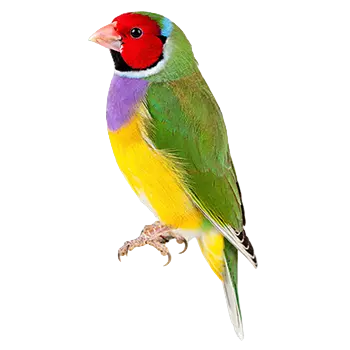

Wildlife Protection & CITES Status

The Gouldian Finch is listed under the Convention on International Trade in Endangered Species of Wild Fauna and Flora (CITES), which regulates the international movement of species considered vulnerable to overexploitation. While captive-bred Gouldian Finches are generally available for trade under CITES provisions, any transaction involving the species across international borders may require documentation confirming that the birds are captive-bred and not wild-caught. The specific CITES appendix listing and associated requirements can influence how breeders and buyers navigate cross-border sales.

In Australia, the Gouldian Finch is protected under federal legislation, including the Environment Protection and Biodiversity Conservation Act 1999 (EPBC Act), which lists the species as endangered. This federal protection makes it illegal to capture, kill, or trade wild Gouldian Finches without specific authorization. Individual Australian states and territories may impose additional protections and require permits for keeping or breeding the species in captivity, even when the birds in question are captive-bred.

Outside Australia, the legal status of captive-bred Gouldian Finches varies considerably by country. In many nations, captive-bred Gouldian Finches can be legally purchased, kept, and bred without special permits, provided the birds are obtained from legitimate sources. However, some jurisdictions require registration of exotic bird species, proof of legal acquisition, or adherence to specific welfare standards. Prospective owners should consult local wildlife and agricultural authorities to determine what rules apply in their area.

The distinction between wild-caught and captive-bred birds is a critical legal concept for Gouldian Finch keepers. Since Australia banned the export of native birds in 1960, virtually all Gouldian Finches outside Australia are descendants of captive-bred stock. Nonetheless, regulatory authorities may require sellers to provide documentation of captive-bred origin, particularly when birds are sold across state or national borders. Maintaining clear records of breeding lineage is a best practice that protects both buyers and sellers.

Ownership Requirements

In many parts of the United States, Gouldian Finches can be legally kept as pets without a special permit, as they are considered domesticated aviary birds rather than regulated wildlife. However, regulations can vary at the state and municipal level. Some states require permits for the keeping of any non-native bird species, while others impose requirements only on species considered potentially invasive or those listed under specific conservation statutes. It is the owner's responsibility to verify compliance with local laws before acquiring a Gouldian Finch.

In Australia, permit requirements for keeping Gouldian Finches differ by state and territory. Some jurisdictions require a basic native animal keeping license for any native bird species, including captive-bred Gouldian Finches, while others have more detailed tiered licensing systems based on the species' conservation status. Breeders may face additional requirements related to record-keeping, facility inspections, and reporting of breeding outcomes.

European countries present a patchwork of regulatory approaches. In many European Union member states, captive-bred Gouldian Finches can be kept without a specific permit, though some countries require registration of exotic birds or compliance with welfare standards governing cage size, environmental enrichment, and veterinary care. Breeders who sell birds commercially may need to register as animal dealers or obtain business licenses related to the sale of live animals.

Regardless of jurisdiction, responsible Gouldian Finch ownership involves maintaining documentation of the bird's origin and any relevant permits or registrations. This paperwork protects the owner in the event of a regulatory inquiry and facilitates the legal transfer of birds to new owners. Avicultural societies often provide guidance on the specific requirements applicable in their members' regions and can help newcomers navigate the permitting process.

Liability & Veterinary Obligations

Bird owners generally have a legal duty of care to provide for the health and welfare of their animals. In many jurisdictions, this duty is codified in animal welfare or cruelty prevention statutes that set minimum standards for housing, nutrition, and veterinary attention. Failure to meet these standards can result in penalties ranging from fines to confiscation of the animals. While enforcement actions targeting finch keepers are uncommon, the legal framework applies equally to all companion animals.

Liability concerns for Gouldian Finch owners are generally more limited than those facing owners of larger or more potentially dangerous animals. Finches pose negligible risk of physical injury to humans or other animals. However, owners may face liability in situations involving the escape of non-native birds into the environment, particularly in regions where escaped exotics could pose ecological risks. Some jurisdictions impose specific obligations to prevent the release or escape of non-native species.

Veterinary care for Gouldian Finches presents its own set of practical and legal considerations. Avian veterinary medicine is a specialized field, and not all veterinary practices are equipped to diagnose and treat the health issues common to finches. Owners have a legal and ethical obligation to seek appropriate veterinary care when their birds show signs of illness. In some jurisdictions, failure to provide necessary veterinary treatment can constitute neglect under animal welfare laws.

Insurance considerations for bird keepers are less developed than those for dog or cat owners, but some homeowner's and renter's insurance policies may cover liability related to pet ownership. Breeders who sell birds commercially should consider whether their business activities are covered by their existing insurance or whether additional coverage is needed. Commercial breeders may also face regulatory requirements related to consumer protection and the sale of live animals.

Housing & Zoning Restrictions

Municipal zoning ordinances and homeowners association rules can affect the legality of keeping Gouldian Finches, particularly in urban and suburban settings. While most residential zoning classifications permit the keeping of small caged birds indoors, restrictions may apply to outdoor aviaries, breeding operations, or the number of birds kept on a single property. Prospective bird keepers in planned communities or rental properties should review their governing documents and lease agreements before establishing a finch collection.

Outdoor aviaries may be subject to building permit requirements, setback regulations, and noise ordinances, depending on local law. While Gouldian Finches are relatively quiet birds, a large breeding operation with multiple species could attract the attention of neighbors or code enforcement officials. Compliance with applicable building codes and zoning regulations is essential to avoid fines, forced removal of structures, or legal disputes with neighbors.

Rental tenants face additional considerations, as many lease agreements restrict or prohibit pet ownership. Even where pets are permitted, landlords may impose limits on the type or number of animals allowed. Some landlords may be unfamiliar with finch keeping and may need to be educated about the minimal impact that a small indoor finch setup has on a rental property. Written permission from the landlord is advisable to avoid disputes.

For breeders operating at a commercial scale, zoning laws may require a home occupation permit or a commercial business license. The threshold between hobby breeding and commercial activity varies by jurisdiction, but factors such as the volume of sales, advertising activity, and the number of birds maintained may be relevant. Breeders who sell birds at shows, through online platforms, or to pet stores should investigate whether their activities require any form of business registration or licensing.

Import & Export Regulations

The international movement of Gouldian Finches is governed by a combination of CITES requirements, national import and export laws, and agricultural quarantine regulations. Any person seeking to import or export Gouldian Finches across national borders must typically obtain CITES permits from both the exporting and importing countries. These permits require documentation that the birds are captive-bred and that the trade will not be detrimental to the survival of the species in the wild.

Quarantine requirements represent a significant practical and financial consideration for international bird shipments. Many countries, including the United States, require imported birds to undergo a quarantine period at a government-approved facility upon arrival. The length of quarantine, the diseases tested for, and the associated costs vary by country. In some cases, quarantine requirements can make the importation of individual birds or small numbers economically impractical.

Within countries, the movement of Gouldian Finches between states or provinces may also be subject to regulation. In the United States, the transport of birds across state lines may trigger requirements under the Lacey Act or state-level wildlife laws, particularly if the species is subject to any state listing. Australian states and territories may require permits for the interstate transport of native bird species, including captive-bred individuals.

The practical logistics of shipping live birds are also subject to regulation. Airlines and freight carriers that accept live animal shipments are governed by International Air Transport Association (IATA) Live Animals Regulations, which specify container requirements, temperature ranges, and documentation for the safe transport of birds. Shippers must comply with these standards, and failure to do so can result in refused shipments, fines, or animal welfare violations. Experienced avian shippers and specialized bird transport services can help navigate these complex requirements.

Rescue, Rehoming & Welfare Law

The rehoming of Gouldian Finches, whether through private sales, avicultural society networks, or rescue organizations, is subject to the same legal requirements that apply to initial sales. Sellers must ensure that any required permits or documentation accompany the transfer, and buyers should verify the legal status of birds being offered for rehoming. In jurisdictions where registration of exotic birds is required, the new owner must update the registration to reflect the change in ownership.

Bird rescue organizations that take in surrendered or confiscated Gouldian Finches operate within a framework of animal welfare law that governs their obligations to the birds in their care. These organizations must provide appropriate housing, nutrition, and veterinary attention, and must comply with any applicable licensing or registration requirements. Some jurisdictions require rescue organizations to register as animal shelters or welfare organizations, which may entail regular inspections and reporting obligations.

Animal welfare statutes in many jurisdictions provide for the confiscation of animals that are being kept in conditions that constitute cruelty or neglect. In cases involving birds, enforcement actions may be triggered by reports of overcrowding, unsanitary conditions, failure to provide adequate food or water, or the presence of untreated disease. Confiscated birds may be placed with rescue organizations, transferred to qualified breeders, or rehomed through court-supervised processes.

The legal landscape surrounding avian welfare continues to evolve, with growing attention to the specific needs of captive birds. Some jurisdictions have begun to develop or adopt welfare standards that address cage size minimums, social housing requirements, and environmental enrichment for captive birds. While these standards are not yet universal, the trend toward more detailed and species-specific welfare regulation suggests that Gouldian Finch keepers should stay informed about developments in their jurisdictions and proactively adopt best practices that meet or exceed current legal requirements.

Always consult a qualified professional before making any health-related decisions. This content is provided for informational reference only and should not replace professional guidance specific to your animal.