
Film & Television

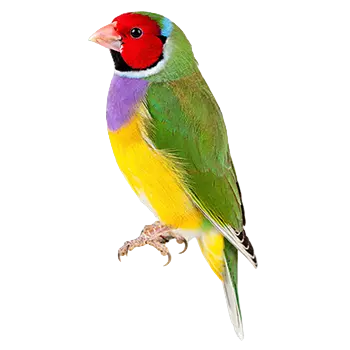
The Gouldian Finch has made numerous appearances in nature documentaries, where its extraordinary coloring makes it a favorite subject for wildlife cinematographers. Programs produced by major broadcasting networks have featured the species in episodes dedicated to Australian wildlife, the evolution of color in the animal kingdom, and the science of avian vision. High-definition and slow-motion footage of Gouldian Finches in flight and during courtship displays has introduced the species to millions of viewers worldwide.

Documentary filmmakers have also turned their cameras on the conservation challenges facing wild Gouldian Finch populations. Films exploring the ecological issues of northern Australia's tropical savannas frequently use the species as a compelling central subject, leveraging its beauty and endangered status to draw audiences into broader environmental narratives. These productions have played a meaningful role in raising public awareness of the threats to the species and its habitat.

While the Gouldian Finch has not been the star of major fictional films, its striking appearance has led to cameo roles in feature films and television series set in Australia or involving exotic pets. Production designers and animal wranglers have used Gouldian Finches to add visual richness to scenes depicting wealth, tropical settings, or characters with a passion for the natural world. The bird's calm temperament in aviary settings makes it a practical choice for on-set work.

Animated productions have also drawn inspiration from the Gouldian Finch's vivid color palette. Character designers working on animated films and children's television programs have cited the species as a reference for creating colorful avian characters, even when the resulting character is not explicitly identified as a Gouldian Finch. The bird's natural combination of green, purple, yellow, and red provides a ready-made color scheme that translates well to animation.

Literature & Art

The Gouldian Finch's place in literature begins with the ornithological works of John Gould, whose lavishly illustrated volumes set a lasting standard for the depiction of Australian birds. Gould's hand-colored lithographs of the species are considered masterpieces of nineteenth-century natural history illustration and remain highly sought after by collectors. Original plates from his publications have sold at auction for substantial sums, reflecting both their artistic merit and their scientific importance.

Beyond scientific illustration, the Gouldian Finch has inspired contemporary artists working in a variety of media. Painters, printmakers, and textile designers have been drawn to the bird's bold color contrasts and compact form. Australian artists in particular have incorporated the Gouldian Finch into works exploring themes of national identity, environmental fragility, and the tension between natural beauty and ecological loss.

In literature, the Gouldian Finch appears in works of natural history writing, travel narratives set in northern Australia, and popular science books exploring the biology of color. Authors have used the species to illustrate concepts ranging from sexual selection and genetic polymorphism to the ethical dimensions of wildlife trade. The bird's story—once abundant, now threatened—provides a powerful narrative arc that resonates with readers concerned about biodiversity loss.

The Gouldian Finch has also found its way into poetry and children's literature, where its rainbow plumage serves as a symbol of wonder and the diversity of the natural world. Picture books featuring the species introduce young readers to Australian wildlife and conservation themes, while poets have used the bird as a metaphor for beauty that is both dazzling and precarious.

Internet & Social Media

The Gouldian Finch is one of the most photographed and shared finch species on social media platforms. Its vivid plumage makes it exceptionally photogenic, and images of Gouldian Finches routinely attract high engagement on platforms dedicated to birdwatching, pet ownership, and wildlife photography. Hashtags related to the species consistently draw large audiences, and dedicated Gouldian Finch accounts on major platforms have amassed substantial followings.

Online communities centered on Gouldian Finch keeping and breeding are active and well-organized. Forums, Facebook groups, and dedicated websites provide spaces for enthusiasts to discuss breeding techniques, nutrition, color genetics, and disease management. These communities often serve as the primary source of practical information for new Gouldian Finch keepers, supplementing the resources available through formal avicultural societies.

Video-sharing platforms have become an important medium for Gouldian Finch content. Breeders and hobbyists post videos documenting everything from aviary tours and feeding routines to the hatching and development of chicks. Time-lapse videos showing the color development of juvenile Gouldian Finches as they molt into adult plumage are particularly popular, as the transformation from drab juvenile feathering to brilliant adult colors is dramatic and visually compelling.

The species has also benefited from the broader trend of wildlife and nature content on social media. Viral posts featuring Gouldian Finches have introduced the species to audiences who might never encounter it in a pet store or aviary, sparking curiosity about finch keeping and raising awareness of the bird's conservation status. This digital visibility has contributed to sustained interest in the species among younger generations of potential bird keepers.

Advertising & Branding

The Gouldian Finch's unmistakable color combination has made it a natural choice for branding and advertising in contexts where vibrancy, diversity, or Australian identity are desired. Tourism campaigns promoting northern Australia and the Kimberley region have featured the species prominently, using its image to convey the unique beauty and ecological richness of the landscape. The bird's association with remote, unspoiled wilderness reinforces messaging around adventure travel and ecotourism.

In the pet industry, the Gouldian Finch frequently appears in marketing materials for bird food, aviary equipment, and veterinary products. Its photogenic qualities make it an effective visual shorthand for the broader category of exotic pet birds, and its image is often used on product packaging, promotional banners, and trade show displays even when the product in question is not specifically designed for finches.

Beyond the pet and tourism sectors, the Gouldian Finch has been adopted as a visual motif by companies and organizations seeking to communicate themes of color, creativity, and natural beauty. Graphic designers have used stylized representations of the bird in logos, brand identities, and decorative applications. The species' distinctive tricolor head pattern, in particular, lends itself to clean, recognizable graphic treatments.

The Australian government has also used the Gouldian Finch in official communications related to biodiversity and environmental policy. The bird's image has appeared on postage stamps, commemorative coins, and public awareness campaigns promoting wildlife conservation. These official uses reinforce the species' status as a national natural treasure and help maintain its profile in the public consciousness.

The Popularity Effect

The Gouldian Finch's media visibility and cultural profile have had a measurable impact on demand for the species in the pet trade. Periods of heightened media exposure—whether through a popular documentary, a viral social media post, or a high-profile conservation campaign—have historically been followed by increased interest from prospective buyers. This pattern underscores the influence that media representation can have on the commercial dynamics of the pet bird market.

Increased demand driven by media exposure can have both positive and negative consequences for the species. On the positive side, greater interest in Gouldian Finch keeping has supported the growth of knowledgeable breeding communities and expanded the genetic diversity of captive populations. More breeders working with the species means more opportunities for collaboration, research, and the sharing of best practices in husbandry and health management.

On the negative side, popularity surges can attract inexperienced buyers who may be unprepared for the specific care requirements of Gouldian Finches. Unlike some hardier finch species, Gouldians are sensitive to temperature fluctuations, dietary deficiencies, and stress. Impulse purchases driven by the bird's appearance, without adequate research into its needs, can result in poor welfare outcomes. Avicultural societies and experienced breeders actively work to counter this by providing educational resources and encouraging responsible ownership.

The conservation dimension adds another layer to the popularity effect. While wild Gouldian Finch populations are protected by Australian law and international trade regulations, the species' high profile ensures that conservation funding and research attention continue to flow toward its protection. In this sense, the Gouldian Finch's cultural and media presence serves a vital function, keeping the species in the public eye and sustaining the political will necessary to support ongoing habitat management and recovery programs.

Always consult a qualified professional before making any health-related decisions. This content is provided for informational reference only and should not replace professional guidance specific to your animal.