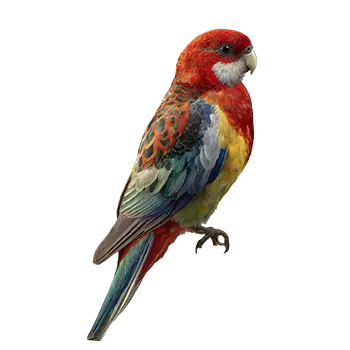

Selecting an appropriate travel carrier is the foundation of safe transport for an Eastern Rosella. The ideal carrier for this medium-sized parrot is a sturdy, well-ventilated enclosure that provides enough room for the bird to turn around and adjust its position but not so much space that it can build up speed and injure itself during sudden stops or turbulence. Purpose-built bird travel carriers made of rigid plastic or lightweight metal are preferable to cardboard boxes or makeshift containers, which offer inadequate ventilation, security, and durability.
The carrier should feature secure latching mechanisms that the bird cannot open from inside. Eastern Rosellas are active and inquisitive birds with capable beaks, and a latch that a less dexterous species might ignore can quickly become a point of vulnerability with a rosella. Ventilation openings should be positioned on multiple sides of the carrier to ensure adequate airflow without creating direct drafts that could chill the bird. A solid, opaque bottom tray lined with paper towels or a non-slip mat helps contain droppings and provides stable footing during transit.
For routine veterinary visits and short local trips, a smaller carrier designed for medium parrots is generally sufficient. For longer journeys, a slightly larger travel cage with a securely mounted water dish and a small food cup may be more appropriate, allowing the bird to eat and drink during the trip. Perches inside the carrier should be positioned low enough that the bird is not thrown if the vehicle brakes suddenly, and they should be the appropriate diameter for the rosella's feet, typically around 15 to 20 millimeters.
Familiarizing the Eastern Rosella with its carrier before travel is essential for reducing stress. Placing the carrier in the bird's living area with the door open, offering treats inside it, and allowing the bird to explore it at its own pace over a period of days or weeks can significantly reduce the anxiety associated with being confined in an unfamiliar space. Birds that have been positively conditioned to their carriers tend to travel more calmly and recover more quickly after the journey than those that are placed in an unfamiliar container with no prior exposure.