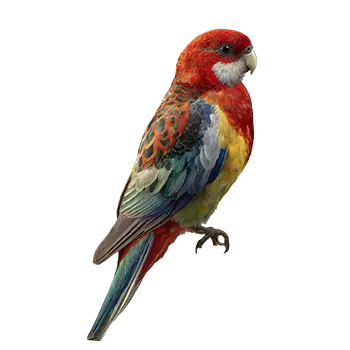

In Australia, the Eastern Rosella is a native species protected under both federal and state wildlife legislation. At the federal level, the Environment Protection and Biodiversity Conservation Act 1999 (EPBC Act) provides the overarching framework for the protection of Australian native fauna, including all species of parrots. The EPBC Act regulates the export of native wildlife and wildlife products, making the unauthorized removal of Eastern Rosellas from Australia a serious criminal offense carrying substantial penalties, including imprisonment and heavy fines.
State and territory governments administer their own wildlife protection legislation, which governs the keeping, breeding, and sale of native birds within their jurisdictions. In New South Wales, the Biodiversity Conservation Act 2016 and its associated regulations classify native bird species into categories that determine whether a license is required to keep them in captivity. The Eastern Rosella is generally classified in a category that permits keeping with a basic wildlife license, reflecting its abundance in the wild and its long history in aviculture. Similar classification systems operate in Victoria, Queensland, South Australia, and Tasmania, though the specific license requirements, fees, and conditions vary between states.
These licensing systems serve multiple purposes beyond simple regulation. They create records of captive populations that assist wildlife authorities in distinguishing legally held birds from illegally captured ones, they establish minimum standards of care through license conditions, and they generate revenue that supports wildlife management and enforcement activities. License holders are typically required to maintain records of bird acquisitions, disposals, and breeding outcomes, and inspections of licensed premises may be conducted to ensure compliance.
The legal status of the Eastern Rosella in Australia reflects a broader philosophy of managed coexistence between humans and native wildlife. By permitting private keeping under regulated conditions, Australian authorities acknowledge the long tradition of aviculture while maintaining the tools necessary to prevent overexploitation of wild populations. Keepers who operate outside the licensing system risk prosecution and the confiscation of their birds, and the enforcement of these laws is taken seriously by wildlife agencies across the country.
It is worth noting that damage mitigation permits may be issued in some Australian states allowing the controlled culling or dispersal of Eastern Rosellas in situations where the birds cause significant agricultural damage. These permits are tightly regulated and are issued only after other non-lethal management options have been considered, but their existence reflects the occasionally complex relationship between native wildlife protection and the economic interests of primary producers.