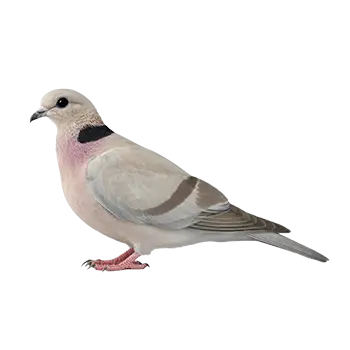

Car Travel

Traveling by car with a Ring-necked Dove is generally the most straightforward transport option, and many dove owners find that their birds adapt well to vehicle travel with proper preparation. The key to a safe car trip is a secure, well-ventilated travel carrier that prevents the bird from escaping or being tossed around during sudden stops. Small to medium-sized pet carriers designed for birds or small animals work well for Ring-necked Doves. The carrier should be lined with a non-slip surface such as a towel or paper liner to give the bird stable footing during the ride.

Temperature management is critical when transporting a Ring-necked Dove by car. Doves are sensitive to temperature extremes, and a car interior can heat up or cool down rapidly depending on the season and weather conditions. During warm months, never leave a dove unattended in a parked vehicle, as temperatures inside a closed car can reach dangerous levels within minutes. In cold weather, warm up the vehicle before placing the bird inside and keep the carrier away from direct drafts from heating vents. A consistent, moderate temperature between 65 and 80 degrees Fahrenheit is ideal for most Ring-necked Doves during transit.

Provide fresh water in a spill-resistant dish or a small clip-on water cup attached to the inside of the carrier. For short trips, food is generally unnecessary, but for journeys lasting more than a few hours, include a small amount of the bird's regular seed mix. Avoid offering unfamiliar foods during travel, as stress can make doves more susceptible to digestive upset. A light cover draped over part of the carrier can help reduce visual stimulation and keep the bird calm, though it should not obstruct airflow.

Plan rest stops on longer drives to check on the bird's condition, refresh water, and clean the carrier liner if needed. Keep the carrier secured on a flat surface such as the back seat or floorboard, using a seatbelt or other restraint to prevent it from sliding. Avoid placing the carrier in the trunk, which lacks adequate ventilation and temperature control. With thoughtful preparation, most Ring-necked Doves travel well by car and arrive at their destination relaxed and ready to settle in.

Air Travel

Air travel with a Ring-necked Dove requires significantly more planning than a car trip, and policies vary widely between airlines. Some airlines permit small birds in the cabin in an approved carrier that fits under the seat, while others restrict live animal transport to the cargo hold or do not accept birds at all. Before booking a flight, contact the airline directly to confirm its current pet bird policy, any breed or species restrictions, and the specific carrier dimensions and types that are accepted.

If cabin transport is permitted, you will typically need an airline-approved soft-sided or hard-sided carrier that meets the airline's size specifications for under-seat storage. The carrier must be ventilated, secure, and able to contain the bird for the duration of the flight without allowing escape. Ring-necked Doves are relatively calm fliers and generally tolerate the confined space of an under-seat carrier better than many parrot species, but the noise and pressure changes associated with air travel can still be stressful. Consult an avian veterinarian before flying to discuss whether your individual bird is healthy enough for air travel and whether any calming strategies are recommended.

Cargo transport is another option but introduces additional risks, including temperature fluctuations, noise, and handling by ground crew. If cargo transport is the only option, use an airline-approved rigid carrier with secure latches, adequate ventilation on all sides, and clear labeling indicating that the container holds a live animal. Include absorbent bedding, a water dish that can be refilled from outside the carrier, and food for the journey. Many experienced dove owners and breeders prefer to ship birds through specialized live-animal shipping services rather than standard airline cargo, as these services are better equipped to handle the unique needs of avian passengers.

International air travel adds another layer of complexity, including health certificates, quarantine requirements, and customs declarations. The destination country's import regulations may require veterinary examinations, disease testing, and advance documentation. Begin the paperwork process well in advance of your travel date, as processing times for health certificates and import permits can range from days to weeks depending on the countries involved.

Pet-Friendly Accommodations

Finding pet-friendly accommodations that welcome birds can be more challenging than finding lodging that accepts dogs or cats. Many hotels and vacation rentals that advertise pet-friendly policies are thinking primarily of dogs and may not have considered the logistics of hosting a guest with a bird. When booking accommodations, always call ahead to confirm that birds are specifically permitted and to discuss any deposit, cleaning fee, or cage placement requirements. Providing details about the Ring-necked Dove's quiet nature and small size can help reassure property owners who may be unfamiliar with companion birds.

When staying in a hotel or rental with your Ring-necked Dove, bring a portable cage or travel enclosure that gives the bird enough room to move around comfortably during the stay. The bird should not be left to fly freely in an unfamiliar room, as there are too many hazards, including open windows, mirrors, ceiling fans, and toxic substances. Set up the cage in a quiet area of the room away from direct sunlight, drafts, and the television. Covering the cage partially during the evening can help the bird maintain its sleep schedule despite the unfamiliar environment.

Vacation rental platforms have expanded the options available to pet-owning travelers, and some hosts specifically welcome birds. Reading reviews from other bird owners can help identify accommodations that are genuinely bird-friendly rather than merely tolerant. Some dove owners who travel frequently develop a list of tried-and-tested lodging options along their regular routes, building a network of reliable accommodations over time.

If you are traveling to attend a bird show, avicultural convention, or similar event, the host venue or organizing club may have arrangements with nearby hotels that are accustomed to hosting guests with birds. These partnerships can simplify the booking process and ensure that the accommodations are truly prepared for avian visitors. Fellow attendees and online community members are also valuable sources of lodging recommendations.

Boarding & Pet Sitting

When travel plans do not allow you to bring your Ring-necked Dove along, boarding or pet sitting arrangements are the primary alternatives. Avian boarding facilities, while less common than dog or cat boarding services, exist in many metropolitan areas and offer specialized care for pet birds. These facilities typically provide individual caging, appropriate lighting and temperature control, and staff with bird-handling experience. Before choosing a boarding facility, visit in person to inspect the cleanliness of the enclosures, the ventilation and biosecurity protocols, and the overall demeanor of the birds in their care.

In-home pet sitting is often the less stressful option for Ring-necked Doves, as it allows the bird to remain in its familiar cage and environment. A trusted friend, family member, or professional pet sitter can visit daily to refresh food and water, clean the cage liner, and check on the bird's health. Provide the sitter with detailed written care instructions, including the bird's diet, preferred treats, any medications, and the contact information for your avian veterinarian. A brief in-person training session before your departure can help the sitter feel confident and prepared.

Professional pet-sitting services that specialize in or accommodate exotic pets, including birds, can be found through online directories and referrals from avian veterinarians or local bird clubs. These professionals are typically insured and bonded, offering an additional layer of accountability. Some pet sitters offer live updates via text or video, allowing owners to check in on their doves while traveling and providing peace of mind during extended absences.

For dove owners with multiple birds or complex aviary setups, developing a relationship with a reliable caretaker is an ongoing investment. Many experienced keepers cultivate reciprocal arrangements with fellow dove enthusiasts, taking turns watching each other's birds during vacations and trips. These informal networks provide knowledgeable care that a general pet sitter may not be able to match, and they strengthen the bonds within the local dove-keeping community.

Emergency Preparedness

Emergency preparedness is an essential aspect of responsible Ring-necked Dove ownership, particularly for owners who live in areas prone to natural disasters such as hurricanes, wildfires, floods, or severe winter storms. Having an evacuation plan that includes your dove can mean the difference between a manageable inconvenience and a crisis. Prepare a portable emergency kit that contains a travel carrier, a three-day supply of the bird's food and water, cage liners, any necessary medications, copies of veterinary records, and the contact information for avian veterinarians along your likely evacuation routes.

The travel carrier used for emergencies should be kept accessible and ready to go at short notice. Practice placing your dove in the carrier periodically so that the process is familiar and low-stress for both you and the bird when an actual emergency occurs. Label the carrier with your name, phone number, and the bird's identification details. If your Ring-necked Dove wears a leg band, record the band number and keep it with your emergency documents, as this information can help reunite you with your bird if you become separated.

During a shelter-in-place situation, ensure that the room where the dove's cage is located is safe from the specific hazard. In the case of a power outage during cold weather, move the cage to the warmest room in the house and cover it with blankets to retain body heat, monitoring the bird closely for signs of hypothermia. In extreme heat without air conditioning, provide shallow dishes of cool water for bathing, increase ventilation as much as safely possible, and mist the bird lightly with room-temperature water to help it cool down.

Not all emergency shelters accept pets, and those that do may not be equipped to handle birds. Research pet-friendly shelters, hotels, and the homes of friends or family members outside your immediate area who could take in your dove during an evacuation. Many communities maintain lists of pet-friendly emergency resources, and local bird clubs or avian rescue organizations may coordinate emergency foster placements during disasters. Establishing these contacts before an emergency occurs ensures that you have viable options when time is short.

Always consult a qualified professional before making any health-related decisions. This content is provided for informational reference only and should not replace professional guidance specific to your animal.