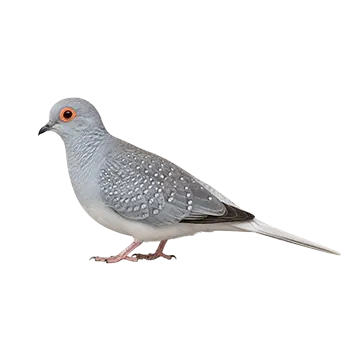

The Diamond Dove's legal status varies significantly depending on jurisdiction and is shaped primarily by its classification as a native Australian species. In Australia, all native wildlife is protected under federal and state legislation, including the Environment Protection and Biodiversity Conservation Act 1999 at the national level and corresponding state-level wildlife acts. These laws regulate the capture, keeping, breeding, and trade of Diamond Doves within Australia, and any person wishing to keep them must comply with the relevant state or territory requirements.
Outside Australia, the Diamond Dove's legal treatment depends on whether the jurisdiction classifies it as a domestic aviary bird or as an exotic wildlife species. In the United States, Diamond Doves are generally treated as domesticated aviary birds and are not subject to the federal protections afforded to native wild bird species under the Migratory Bird Treaty Act. This distinction is important because it means that captive-bred Diamond Doves can typically be bought, sold, and kept without federal wildlife permits in most American states.
In the European Union, Diamond Doves are widely bred in captivity and are generally available through licensed pet retailers and private breeders without requiring CITES permits, as the species is not listed under the Convention on International Trade in Endangered Species appendices. However, individual EU member states may impose their own requirements on bird keeping, including registration, banding, or veterinary certification, and keepers should verify local regulations before acquiring birds.
It is worth noting that the legal landscape for avian species can change as conservation assessments are updated and new legislation is enacted. Keepers and breeders should periodically review the regulations applicable in their jurisdiction to ensure ongoing compliance.