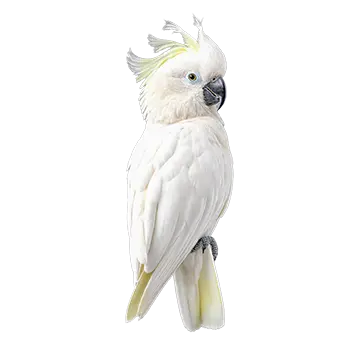

Traveling by car with an Umbrella Cockatoo requires thoughtful preparation, but it is generally the most manageable and flexible mode of transport for bird owners. A sturdy, well-ventilated travel carrier designed for large parrots is essential. The carrier should be sized to allow the bird to turn around and shift position without being so large that the cockatoo is thrown about during sudden stops or turns. Stainless steel or heavy-duty plastic carriers with secure locking mechanisms are preferred, as Umbrella Cockatoos are powerful chewers capable of compromising lightweight materials.
The carrier should be secured in the vehicle using a seatbelt or cargo straps to prevent movement during transit. Placing the carrier on the back seat or in a flat cargo area is generally safest, away from direct airbag deployment zones. Avoid placing the carrier in direct sunlight, and regulate the vehicle's temperature to keep the bird comfortable. Cockatoos are sensitive to temperature extremes and should never be left unattended in a parked vehicle, where temperatures can rise to dangerous levels within minutes.
For longer road trips, plan regular stops to offer the bird water and small amounts of familiar food. Fresh fruits and vegetables travel well and provide both hydration and nutrition. Some owners line the carrier with absorbent material or paper towels for easy cleanup during stops. Covering the carrier partially with a light cloth can help reduce visual stimulation and keep the bird calm, though the cover should allow adequate airflow at all times.
Acclimating your cockatoo to car travel before a long trip is strongly recommended. Short practice drives around the neighborhood can help the bird adjust to the motion, sounds, and confinement of vehicle travel. Birds that have been gradually introduced to the carrier and the car environment typically handle longer journeys with significantly less stress than those experiencing travel for the first time during an extended trip.