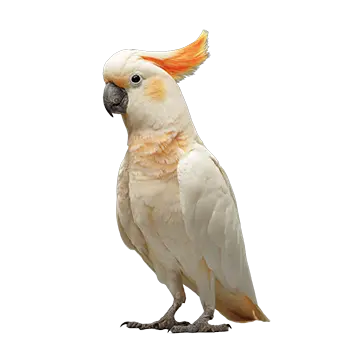

Traveling with a Citron-Crested Cockatoo requires significantly more preparation than traveling with a dog or cat, and the planning process should begin weeks or even months before the intended departure date. The species' CITES Appendix I status means that any cross-border movement, whether international or in some cases between states or territories within a country, triggers documentation requirements that cannot be arranged on short notice. Gathering the necessary permits, health certificates, and identification records is the essential first step in any travel plan involving this subspecies.
For international travel, the owner must secure CITES export and import permits from the management authorities of both the departing and destination countries. These permits are issued on a per-shipment basis and require proof that the bird is captive-bred and legally held. Processing times vary by country but commonly range from four to twelve weeks, and incomplete applications are routinely rejected, adding further delay. The bird's closed leg band number or microchip identification must match the documentation exactly, and any discrepancy can result in the animal being detained at the border.
A veterinary health certificate issued within a specified window before departure is required by virtually all airlines and most national veterinary authorities. The certificate must confirm that the bird has been examined by a licensed veterinarian and found free of signs of infectious disease. Some countries impose additional testing requirements, such as screening for avian influenza, psittacosis, or Newcastle disease, and the results of these tests must be attached to the health certificate. Owners should consult the import requirements of the destination country well in advance, as testing protocols and acceptable laboratory accreditations vary.
Beyond regulatory documents, practical preparation includes acclimating the bird to its travel carrier, reviewing airline and ground transport logistics, assembling a travel kit with food, water, and emergency supplies, and identifying avian veterinarians at the destination in case of medical need during or after transit. A checklist approach is strongly recommended, as the number of moving parts in cockatoo travel is sufficient to overwhelm even experienced owners if left to memory alone.