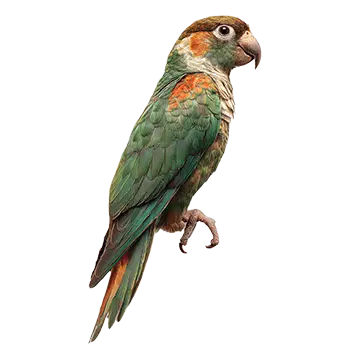

Film & Television

The Cape Parrot has not achieved the mainstream film and television recognition enjoyed by species like the Scarlet Macaw or the Budgerigar, largely because of its rarity and limited geographic range. However, it has featured in several South African nature documentaries that highlight the country's unique biodiversity. These productions typically frame the Cape Parrot within the broader story of Afromontane forest conservation, using the bird's charisma and endangered status to draw viewers into complex ecological narratives.

South African broadcasting networks have produced segments on the Cape Parrot for wildlife magazine programs, often timed to coincide with the annual Cape Parrot Big Birding Day. These segments introduce audiences to the species' forest habitat, its dependence on yellowwood trees, and the dedicated researchers who monitor its population. The visual appeal of the parrot's green plumage set against misty mountain forests makes for compelling footage that resonates with both local and international viewers.

International nature documentary series have occasionally included the Cape Parrot in episodes focusing on African wildlife or endangered species. These appearances tend to be brief but impactful, introducing global audiences to a bird that most would never encounter otherwise. The species' story of taxonomic reclassification, habitat loss, and community-driven conservation provides a narrative arc that documentary filmmakers find particularly engaging.

As streaming platforms have expanded the market for niche nature content, the Cape Parrot has begun to appear in independently produced documentaries and short films shared on platforms like YouTube and Vimeo. Conservation organizations have embraced video as a communication tool, producing polished short documentaries that tell the Cape Parrot's story to audiences far beyond South Africa's borders.

Literature & Art

The Cape Parrot appears in the ornithological literature of southern Africa, featured in field guides, monographs, and scientific journals that document the region's avifauna. Classic works on South African birds include descriptions and illustrations of the species, often noting its reclusive forest habits and the difficulty of observing it in the wild. More recent publications have expanded coverage to include the species' conservation challenges and the research efforts dedicated to its survival.

In popular literature, the Cape Parrot has been referenced in books about South African nature and conservation. Authors writing about the Eastern Cape's forests and biodiversity frequently mention the parrot as a symbol of what stands to be lost if deforestation continues. Children's books published in South Africa have featured the Cape Parrot as a character, introducing young readers to the concepts of endangered species and habitat protection through accessible storytelling.

South African visual artists have found inspiration in the Cape Parrot, producing paintings, illustrations, and prints that celebrate the bird's beauty while drawing attention to its precarious situation. Wildlife art exhibitions in cities like Cape Town, Durban, and Johannesburg have included Cape Parrot works, and limited-edition prints have been sold to raise funds for conservation projects. The bird's distinctive coloring and expressive face make it a rewarding subject for artists working in a range of media.

Photographers specializing in South African birdlife have contributed iconic images of the Cape Parrot to books, magazines, and online galleries. Capturing the species in its natural habitat requires patience and skill, as the birds move through dense canopy and are often silhouetted against overcast skies. The resulting images, when successful, convey both the wildness of the parrot's forest home and the intimacy of observing a rare creature in its element.

Internet & Social Media

Social media has become one of the most powerful tools for raising awareness of the Cape Parrot. Dedicated accounts on platforms like Instagram, Facebook, and X share photographs, field observations, and conservation updates, building communities of enthusiasts that span continents. The hashtag associated with Cape Parrot conservation events regularly trends within South African birding circles and draws engagement from international followers.

The Cape Parrot Big Birding Day generates significant social media activity each year, with participants posting real-time sightings, photographs, and location data. This citizen-science event has been amplified by digital communication, transforming what was once a regional monitoring effort into a nationally followed occasion. Conservation organizations use the event as a focal point for online fundraising and awareness campaigns, leveraging the energy of participants to reach broader audiences.

YouTube and other video platforms host a growing collection of Cape Parrot content, ranging from professional documentary clips to amateur footage recorded by birdwatchers and pet owners. Videos of captive Cape Parrots demonstrating their intelligence, playfulness, and mimicry abilities attract substantial viewership and introduce the species to people who might never encounter it through traditional media. Comment sections on these videos often become informal forums for sharing care advice, conservation information, and personal stories.

Online forums and birding community websites provide spaces for more in-depth discussion of Cape Parrot topics. Birdwatching platforms allow users to log sightings and share location data, contributing to a continuously updated picture of the species' distribution. Avicultural forums connect Cape Parrot owners and breeders, facilitating the exchange of knowledge about diet, enrichment, health management, and breeding techniques.

Advertising & Branding

The Cape Parrot has not been widely adopted as a commercial brand mascot or advertising symbol in the way that more recognizable parrot species have. Its relative obscurity outside of South Africa and the birding community limits its commercial appeal. However, within South Africa, the species has been used in branding contexts related to ecotourism, conservation fundraising, and environmental education, where its endangered status lends weight and authenticity to messaging.

Ecotourism operators in the Eastern Cape and KwaZulu-Natal have incorporated the Cape Parrot into their marketing materials, positioning guided birdwatching excursions as opportunities to see one of Africa's rarest parrots in its natural habitat. Lodges and guesthouses near known Cape Parrot sites use images and references to the species to attract birding tourists, a demographic that contributes significantly to local economies in rural areas.

Conservation organizations have leveraged the Cape Parrot's image in merchandise and fundraising campaigns. T-shirts, caps, stickers, and tote bags featuring illustrations of the parrot are sold at birding events and through online stores, with proceeds supporting habitat restoration and research. These items serve a dual purpose, generating revenue while turning buyers into ambassadors who spread awareness of the species wherever they go.

The Cape Parrot's potential as a broader brand symbol may grow as awareness of the species increases internationally. Conservation success stories have a natural appeal to brands seeking to align themselves with environmental values, and the Cape Parrot's narrative of community-driven recovery offers a compelling story. For now, the species' commercial presence remains modest but meaningful within its niche.

The Awareness Effect

Media coverage of the Cape Parrot has had a measurable impact on conservation outcomes. Increased visibility through documentaries, news articles, and social media has driven growth in volunteer participation for the annual census, expanded the donor base for conservation organizations, and prompted policy attention from provincial and national government. The relationship between media exposure and conservation investment is well established in the broader field of wildlife conservation, and the Cape Parrot provides a clear case study.

However, heightened awareness also carries risks. Increased demand for Cape Parrots as pets, driven in part by social media exposure, could put pressure on wild populations if legal protections are not rigorously enforced. Conservation communicators working with the species must balance the goal of raising awareness with the need to emphasize that wild-caught Cape Parrots are protected by law and that only captive-bred birds from licensed breeders should be acquired.

The Cape Parrot's media presence has also contributed to a broader cultural shift in South Africa regarding attitudes toward indigenous wildlife. As more South Africans encounter the species through screens, pages, and public events, the parrot has become a point of national pride and a symbol of the country's commitment to preserving its natural heritage. This cultural shift is difficult to quantify but is reflected in growing membership in birding organizations, increased attendance at nature festivals, and a more vocal public constituency for conservation.

Looking ahead, the continued growth of digital media and citizen science platforms is likely to further amplify the Cape Parrot's public profile. Virtual reality experiences, interactive maps, and live-streamed nest cameras are among the emerging tools that could bring audiences even closer to the species. The challenge for conservationists will be to harness this attention in ways that translate into sustained support for the on-the-ground work that ultimately determines the parrot's survival.

Always consult a qualified professional before making any health-related decisions. This content is provided for informational reference only and should not replace professional guidance specific to your animal.