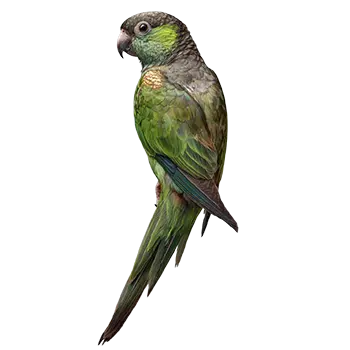

Successful travel with a Bronze Winged Parakeet begins well before the departure date. These small psittacines are intelligent and perceptive birds that can become stressed by sudden changes in environment, routine, or sensory input, making advance preparation essential for a safe and relatively calm journey. The first step is ensuring that the bird is in good health, as travel places additional physiological and psychological demands on an animal that should only be undertaken when the bird is robust and free of illness.
A pre-travel veterinary examination is strongly recommended, both for the bird's welfare and because many forms of transport require a health certificate issued within a specified timeframe before departure. An avian veterinarian familiar with psittacines can assess the bird's overall condition, check for signs of respiratory infection or other contraindications to travel, and provide any documentation that will be needed en route. This visit is also an opportunity to discuss sedation, which most avian veterinarians advise against for birds due to the risk of respiratory depression, and to review stress-reduction strategies appropriate to the species.
Acclimating the bird to its travel carrier in advance is one of the most effective steps an owner can take to reduce travel-related stress. Placing the carrier in the bird's living area with the door open, offering treats inside, and allowing the bird to explore the enclosure at its own pace over a period of days or weeks can transform the carrier from a frightening novel object into a familiar and even positive space. Bronze Winged Parakeets that have been gradually introduced to their travel carriers typically show significantly less agitation during transport than birds placed in an unfamiliar container on the day of travel.
Packing essentials for the journey should include a supply of the bird's regular food, fresh water in a spill-resistant container, a small amount of familiar bedding or a cloth carrying the scent of the home environment, and any medications the bird may require. Owners should also prepare for contingencies by identifying avian veterinary clinics along the planned route or at the destination, ensuring that emergency care is accessible if the bird shows signs of distress during or after the journey.