
Car Travel

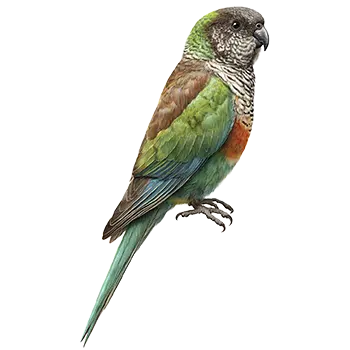
Traveling by car with a Bourke's Parakeet is generally the simplest and most manageable transport option, and the species' calm temperament makes it better suited to road travel than many other parrot species. A sturdy, well-ventilated travel carrier is essential for any car trip. The carrier should be small enough to prevent the bird from being thrown about during sudden stops but large enough for the bird to perch comfortably. Secure the carrier on a flat, stable surface such as the rear seat or footwell, using a seatbelt or bungee cord to prevent sliding.

Temperature control is a critical consideration during car travel. Bourke's Parakeets are sensitive to temperature extremes, and the interior of a parked car can reach dangerous temperatures within minutes, even on moderately warm days. Never leave a bird unattended in a parked vehicle, and use climate control to maintain a comfortable temperature between approximately 65 and 80 degrees Fahrenheit (18–27 degrees Celsius) throughout the journey. During winter travel, ensure the car is warmed before placing the bird inside and avoid exposing the carrier to cold drafts.

For longer road trips, plan regular stops to check on the bird, offer fresh water, and provide small amounts of food. Bourke's Parakeets may refuse to eat or drink during the initial hours of travel due to stress, but making food and water available allows them to eat when they feel comfortable. Covering the carrier partially with a light cloth can help reduce visual stimulation and keep the bird calm, though adequate ventilation must always be maintained.

Before embarking on any car trip, ensure that the destination and any stops along the way are suitable for a bird. If staying at hotels or with friends and family, confirm in advance that birds are welcome. Carrying a small first-aid kit with items appropriate for avian emergencies, along with the contact information for an avian veterinarian at the destination, is a sensible precaution.

Air Travel

Air travel with a Bourke's Parakeet requires careful planning and research, as airline policies regarding live birds vary widely and change frequently. Some airlines permit small birds in the cabin as carry-on pets, provided they are housed in an airline-approved carrier that fits under the seat. Others restrict live animals to the cargo hold or do not accept birds at all. Contact the airline well in advance of your travel date to confirm their current policy, associated fees, and any documentation requirements.

When cabin travel is permitted, an airline-approved soft-sided or hard-sided carrier designed for small birds is typically required. The carrier must meet the airline's size restrictions and allow the bird to stand and turn around comfortably. Familiarize your Bourke's Parakeet with the travel carrier in the days or weeks leading up to the flight by allowing the bird to spend supervised time inside it at home. This acclimation can significantly reduce travel-related stress.

Cargo travel introduces additional risks, including temperature fluctuations, pressure changes, and the noise and vibration of the cargo hold. If cargo transport is the only option, choose a direct flight whenever possible to minimize transit time and reduce the chance of delays or mishandling. Use a carrier that meets International Air Transport Association (IATA) live animal regulations, and label it clearly with "Live Animal" markings and orientation arrows. Attach feeding and watering instructions to the outside of the carrier.

International air travel with birds typically requires health certificates, veterinary inspections, and compliance with the import regulations of the destination country. Quarantine requirements may apply, and some countries require advance applications and approval before a bird can be imported. Begin researching and assembling the necessary documentation well in advance, as processing times can be lengthy and last-minute compliance is rarely possible.

Pet-Friendly Accommodations

Finding accommodations that welcome birds can be more challenging than finding pet-friendly lodging for dogs or cats, as many hotels and vacation rentals define "pet-friendly" narrowly. When booking accommodations, always specify that you are traveling with a caged bird and confirm acceptance in writing. Some properties may charge additional pet fees or deposits, and others may impose restrictions on the type or number of animals allowed.

Online travel platforms increasingly include filters for pet-friendly properties, but these filters may not distinguish between different types of pets. A direct phone call or email to the property is the most reliable way to confirm that a Bourke's Parakeet will be welcomed. Vacation rental properties, particularly those managed by individual owners, may be more flexible than chain hotels in accommodating unusual pets, so consider these as an alternative when traditional hotel options are limited.

When staying in any accommodation with a bird, take steps to protect both the bird and the property. Set up the travel carrier or a small portable cage in a quiet area away from windows, doors, and heating or cooling vents. Ensure that windows and exterior doors are securely closed before allowing the bird any time outside the carrier. Place a protective mat or towel beneath the cage to catch seed hulls and droppings, and clean up promptly to avoid damage to flooring or furniture.

If traveling to a new city or region, identify an avian veterinarian near your accommodations before departure. Knowing where to seek emergency veterinary care can provide peace of mind and may be critical if the bird becomes ill or injured during the trip.

Boarding & Pet Sitting

When travel without your Bourke's Parakeet is the better option, arranging reliable care in your absence is essential. Boarding facilities that specialize in birds or exotic pets are available in many areas and offer professional care in a controlled environment. Look for facilities that house birds separately from other animals, maintain clean and climate-controlled spaces, and employ staff with experience in avian care. A visit to the facility before booking allows you to assess the environment, ask questions about feeding and health protocols, and determine whether it is a suitable setting for your bird.

Professional pet sitters who are comfortable with birds offer an alternative to boarding, allowing the Bourke's Parakeet to remain in its familiar home environment. This can reduce stress for the bird and eliminate the risk of disease exposure from other animals. When hiring a pet sitter, choose someone with experience caring for birds and provide detailed written instructions covering feeding, water changes, cage cleaning, and signs of illness to watch for. A trial visit while you are still at home can help the bird and sitter become acquainted.

Trusted friends or family members can also serve as caregivers, provided they are willing to follow your care instructions and are comfortable handling the bird if necessary. Even if the caregiver has experience with other pets, a brief orientation on the specific needs of Bourke's Parakeets is worthwhile, covering topics such as safe and unsafe foods, the importance of avoiding aerosol sprays and nonstick cookware fumes near the bird, and how to recognize signs of distress or illness.

Regardless of the care arrangement, leave the contact information for your avian veterinarian and authorize the caregiver to seek veterinary treatment if needed. A signed authorization form may be required by some veterinary clinics before they will treat a pet in the owner's absence.

Emergency Preparedness

Emergency preparedness is an important aspect of responsible bird ownership, particularly for those who live in areas prone to natural disasters such as hurricanes, wildfires, floods, or severe storms. Having a plan in place before an emergency occurs can make the difference between a safe evacuation and a dangerous scramble. Prepare an emergency kit for your Bourke's Parakeet that includes a travel carrier, a supply of the bird's regular food and fresh water, any medications the bird requires, a small first-aid kit, and copies of veterinary records and ownership documentation.

In the event of an evacuation, take your bird with you. Do not leave birds behind in the expectation that you will return quickly, as conditions can change rapidly and access to the area may be restricted for extended periods. Know in advance which emergency shelters in your area accept pets, as not all do, and identify friends, family members, or boarding facilities outside the immediate area who could provide temporary housing for the bird if needed.

Power outages can pose a significant risk to birds, particularly during extreme heat or cold. Without climate control, indoor temperatures can quickly reach levels that are dangerous for a Bourke's Parakeet. Battery-operated or hand-powered fans, insulated cage covers, and chemical hand warmers placed near (but not inside) the cage can help regulate temperature during short-term outages. For extended outages, relocating the bird to a location with power may be necessary.

Keeping your bird's leg band information, microchip number (if applicable), and recent photographs in an accessible location can aid in recovery if the bird escapes during an emergency. Social media groups and local bird clubs can be valuable resources for spreading the word about lost birds and connecting with people who may find them. Preparing for the unexpected is an expression of the same care and commitment that defines responsible Bourke's Parakeet ownership in everyday life.

Always consult a qualified professional before making any health-related decisions. This content is provided for informational reference only and should not replace professional guidance specific to your animal.