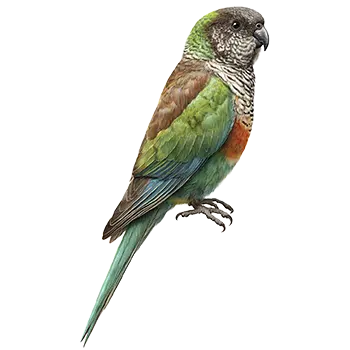

Wildlife Protection & CITES Status

Bourke's Parakeet is native to Australia and is protected under Australian federal and state wildlife legislation. The Environment Protection and Biodiversity Conservation Act 1999 (EPBC Act) governs the protection of native species at the federal level, while individual states and territories maintain their own wildlife protection laws that regulate the keeping, breeding, and sale of native birds within their jurisdictions. These overlapping frameworks mean that the legal requirements for keeping Bourke's Parakeets in Australia can vary depending on the state or territory in which the owner resides.

Internationally, Bourke's Parakeet is not currently listed on any of the appendices of the Convention on International Trade in Endangered Species of Wild Fauna and Flora (CITES). This means that international trade in captive-bred Bourke's Parakeets is not subject to CITES permit requirements, which simplifies the process of buying and selling the species across national borders compared to CITES-listed parrot species. However, the absence of a CITES listing does not exempt the species from other national or regional import and export regulations that may apply.

Despite its least concern conservation status, Australia maintains strict controls on the export of native wildlife, including Bourke's Parakeets. The vast majority of Bourke's Parakeets available in the international pet trade are descendants of birds exported before these restrictions were tightened, and captive-bred populations outside Australia are now self-sustaining. Prospective owners should be aware that wild-caught Bourke's Parakeets are not legally available for purchase in most countries.

Ownership Requirements

The legal requirements for owning a Bourke's Parakeet vary significantly by country, state, and municipality. In Australia, most states require a basic wildlife keeping license or permit to keep native bird species, including Bourke's Parakeets. These permits are generally straightforward to obtain and may involve a small fee, a declaration of the keeper's facilities, and agreement to comply with minimum care standards. Some states, such as Victoria, classify Bourke's Parakeets under a basic or entry-level license category, making them accessible to first-time bird keepers.

In the United States, Bourke's Parakeets are widely available and legal to keep as pets in most jurisdictions without special permits, as they are considered domesticated aviary birds rather than wildlife. However, some states and municipalities have specific regulations governing the keeping of exotic or non-native birds, and prospective owners should verify local ordinances before acquiring a bird. Homeowner association rules and rental agreements may also impose restrictions on pet bird ownership.

In the European Union, regulations vary by member state. Many European countries allow the keeping of Bourke's Parakeets without special permits, though some require registration of captive birds or banding with closed leg rings for identification and traceability purposes. Breeders in particular may be subject to additional requirements, including record-keeping obligations and periodic inspections by veterinary or wildlife authorities.

Regardless of jurisdiction, responsible ownership involves understanding and complying with all applicable local, state, and national laws. Regulations can change, and owners are encouraged to stay informed about current requirements through local avicultural societies, veterinary professionals, and government wildlife agencies.

Liability & Insurance

Liability issues related to Bourke's Parakeet ownership are generally less complex than those associated with larger or more potentially dangerous animals, but they are not entirely absent. Bird owners may face liability if their pet escapes and causes damage to neighboring property, agricultural crops, or native wildlife. In regions with established feral parrot populations, the release or escape of non-native parakeets can raise ecological concerns and potentially expose owners to penalties under environmental protection laws.

Homeowner's and renter's insurance policies vary in their coverage of pet-related incidents. Some policies explicitly cover liability arising from pet ownership, while others exclude certain types of animals or impose conditions. Bird owners should review their insurance policies to understand the extent of coverage and consider discussing their specific situation with their insurance provider, particularly if they keep multiple birds or operate a breeding program.

Breeders and sellers of Bourke's Parakeets may face additional liability considerations. In some jurisdictions, sellers are expected to provide accurate information about the health and genetic background of birds offered for sale, and failure to do so may result in liability for misrepresentation. Avicultural organizations often publish codes of ethics and best practices for breeders, which can serve as a reference point for responsible conduct and may be relevant in disputes between buyers and sellers.

While lawsuits specifically involving Bourke's Parakeets are rare, the general principles of animal ownership liability apply. Owners are expected to exercise reasonable care in housing, supervising, and managing their birds to prevent foreseeable harm to others or to the birds themselves.

Housing & Zoning Restrictions

Municipal zoning laws and housing regulations can affect the ability to keep Bourke's Parakeets, particularly in urban and suburban areas. Some local governments impose limits on the number of pets that may be kept in a residential dwelling, and these limits may or may not distinguish between different types of animals. In densely populated areas, noise ordinances may also be relevant, though the Bourke's Parakeet's characteristically quiet vocalizations make it one of the least likely bird species to trigger noise complaints.

Rental agreements and homeowner association covenants frequently include provisions regarding pet ownership. Some prohibit birds entirely, while others allow a limited number of caged birds. Tenants and homeowners should review their agreements carefully before acquiring a Bourke's Parakeet and, if necessary, seek written permission from landlords or association boards. Failure to comply with these agreements can result in penalties ranging from fines to eviction proceedings.

For those who keep larger numbers of Bourke's Parakeets, such as breeders or aviculturists with outdoor aviaries, additional zoning considerations may apply. Some jurisdictions classify breeding operations or the keeping of multiple birds as a home-based business or agricultural activity, which may require special permits, inspections, or compliance with building codes for aviary construction. Prospective breeders should consult local planning authorities to determine the applicable regulations before establishing an aviary.

In Australia, state-level regulations may also specify minimum housing standards for native birds kept in captivity, including requirements for cage or aviary dimensions, access to natural light, and protection from predators and extreme weather.

Import & Export Regulations

The international movement of Bourke's Parakeets is governed by a patchwork of national and regional regulations that prospective importers and exporters must navigate carefully. As noted, Australia prohibits the export of native wildlife, including Bourke's Parakeets, except under very limited circumstances such as approved scientific research or conservation programs. This longstanding policy has effectively isolated wild Australian populations from the international pet trade and ensured that overseas captive populations are maintained through domestic breeding.

Countries importing Bourke's Parakeets typically require health certificates issued by accredited veterinarians in the country of origin, confirming that the birds are free from notifiable diseases such as avian influenza, psittacosis, and Newcastle disease. Quarantine periods may be imposed upon arrival, during which the birds are held in approved facilities and monitored for signs of illness. The duration and conditions of quarantine vary by country and are subject to change based on prevailing disease risks.

The European Union maintains harmonized regulations for the import of captive birds from third countries, including requirements for pre-export testing, approved quarantine facilities, and documentation. Movement of birds within the EU is generally subject to fewer restrictions but may still require health documentation and compliance with national registration or banding requirements.

In the United States, the import of parrots and parakeets is regulated by the U.S. Fish and Wildlife Service and the U.S. Department of Agriculture. The Wild Bird Conservation Act of 1992 restricts the import of wild-caught birds but generally permits the import of captive-bred individuals from approved sources, subject to health and documentation requirements. State-level regulations may impose additional restrictions, and importers should verify compliance with all applicable federal and state laws before arranging a shipment.

Rescue, Rehoming & Shelter Law

The rescue and rehoming of Bourke's Parakeets intersects with broader animal welfare legislation that governs the treatment, surrender, and adoption of companion animals. In many jurisdictions, animal shelters and rescue organizations are required to hold surrendered or found animals for a specified waiting period before making them available for adoption, allowing owners an opportunity to reclaim lost pets. These holding periods apply to birds as well as other companion animals, though the specifics vary by locality.

Bird-specific rescue organizations play an important role in the Bourke's Parakeet community, providing a safety net for birds whose owners can no longer care for them. These organizations typically operate under the same legal frameworks as other animal rescue groups, including requirements for nonprofit registration, compliance with animal welfare standards, and adherence to local licensing and inspection requirements. Some jurisdictions require rescue organizations to maintain records of all animals received and placed, providing accountability and traceability.

The legal obligations of pet owners who can no longer keep their Bourke's Parakeet vary by jurisdiction. In general, owners are expected to surrender unwanted animals to a shelter or rescue organization rather than releasing them into the wild, which may constitute an offense under wildlife protection or environmental laws. The release of non-native parakeets poses ecological risks and is prohibited in many countries and states.

Adoption agreements used by rescue organizations often include terms and conditions designed to protect the welfare of rehomed birds. These may include requirements for cage size, veterinary care, and follow-up visits, as well as clauses that allow the organization to reclaim the bird if the terms are not met. While the enforceability of these agreements varies, they serve as an important tool for promoting responsible ownership and ensuring positive outcomes for rescued Bourke's Parakeets.

Always consult a qualified professional before making any health-related decisions. This content is provided for informational reference only and should not replace professional guidance specific to your animal.