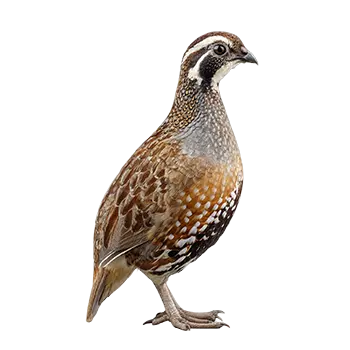

Transporting Live Bobwhites by Vehicle

Moving live Bobwhite Quail by personal vehicle is the most common method of transport for breeders, hunting preserve operators, and field trial participants. The keys to a successful vehicle transport are proper containment, temperature management, ventilation, and minimizing stress. Bobwhites are high-strung birds that flush explosively when startled, and inadequate containment during transport can result in injuries, escapes, and significant mortality.

The preferred container for vehicle transport is a well-ventilated, darkened crate or box designed specifically for gamebirds. Commercial poultry transport crates made of smooth-sided plastic or coated wire work well, as do custom-built wooden boxes with ventilation holes drilled along the sides and top. The interior should be free of sharp edges, protruding hardware, and rough surfaces that could injure birds during sudden stops or turns. Covering the crate with a light cloth to reduce visual stimulation helps keep the birds calm during transit, as Bobwhites that can see their surroundings are far more likely to panic and injure themselves against the walls of the container.

Stocking density within the transport container is a critical variable. Overcrowding increases stress, elevates body temperature, and can lead to smothering, particularly in warm weather. A general guideline is to allow approximately 20 to 25 square inches of floor space per adult Bobwhite, though this figure should be adjusted downward in hot conditions or for long-distance moves. Dividers within larger crates can help prevent birds from piling on top of one another during sharp turns or sudden stops.

Temperature control during vehicle transport deserves careful attention. Bobwhites are more susceptible to heat stress than cold stress, and transport during the hottest part of the day should be avoided whenever possible. Air conditioning or open windows can help maintain safe temperatures inside the vehicle, but direct airflow on the birds should be avoided, as sustained drafts can cause respiratory stress. In cold weather, insulating the crate and positioning it away from direct contact with cold vehicle surfaces helps prevent chilling. Water is not typically provided during short transports of a few hours, but for longer moves, offering water at rest stops using shallow dishes that will not spill or wet the birds reduces the risk of dehydration.

Shipping Bobwhites by Air & Carrier

Shipping live Bobwhite Quail via commercial carriers or air freight is a routine practice in the captive breeding industry, enabling hatcheries and game farms to distribute birds to customers across the country. The logistics of shipping live birds are more complex than vehicle transport and require compliance with carrier regulations, USDA guidelines, and state import requirements at the destination.

The United States Postal Service permits the shipment of live adult birds, including quail, under specific conditions. Birds must be packaged in containers that meet postal standards for ventilation, structural integrity, and labeling. The package must be clearly marked as containing live birds, and the sender is responsible for ensuring that the birds can survive the anticipated transit time without food or water. Most quail shipments through the postal service are limited to day-old chicks or hatching eggs, as adult birds are more difficult to ship safely and generate more heat and waste during transit.

Private carriers such as airlines and specialized livestock transport companies offer additional options for shipping adult Bobwhites. Airlines that accept live animal cargo typically require birds to be contained in IATA-compliant shipping containers that meet specific standards for ventilation, security, and size. Health certificates issued by a licensed veterinarian within a specified window before shipment are generally required, and the certificate must attest that the birds are free of visible signs of disease. Some airlines restrict live animal shipments during extreme temperatures, imposing embargoes when temperatures at the origin, destination, or any transfer point exceed or fall below specified thresholds.

State import requirements add another layer of complexity to the shipping process. Many states require that live Bobwhites entering their borders be accompanied by a certificate of veterinary inspection and, in some cases, documentation of testing for specific diseases such as pullorum and typhoid. Some states require an import permit obtained in advance from the state veterinarian or wildlife agency. Failure to comply with destination-state import requirements can result in the seizure of birds at the point of entry and penalties for both the shipper and the recipient. Shippers should verify current requirements with the destination state's department of agriculture and wildlife agency well before the intended shipment date.

Destinations for Wild Bobwhite Observation

For birders and wildlife enthusiasts interested in observing wild Bobwhite Quail in their natural habitat, several regions across the eastern and central United States offer the best opportunities. The species' steep population declines have narrowed the geographic window for reliable wild encounters, making destination selection more important than it was a generation ago when Bobwhites could be found on virtually any rural property across the Southeast and Midwest.

The Red Hills region of southern Georgia and northern Florida remains one of the premier destinations for encountering wild Bobwhites in a landscape that has been managed for the species for well over a century. The large privately held hunting plantations in this area maintain some of the highest Bobwhite densities on the continent through intensive prescribed burning, predator management, and supplemental feeding. While most of these properties are not open to the general public, several nearby wildlife management areas and the Tall Timbers Research Station in Tallahassee offer opportunities to observe Bobwhite habitat and, with patience, the birds themselves.

The rolling grasslands of southern Kansas, the Oklahoma panhandle, and the Texas Rolling Plains constitute another stronghold for wild Bobwhite populations. These areas, characterized by native mixed-grass prairie interspersed with brushy draws and shelterbelts, support Bobwhite densities that fluctuate significantly with annual rainfall and nesting conditions but can reach impressive levels in favorable years. Public hunting areas managed by state wildlife agencies in these regions provide accessible locations for birding and wildlife observation, and the expansive open landscapes offer a dramatically different setting from the pine-and-wiregrass country of the Southeast.

National Wildlife Refuges within the Bobwhite's range, such as Quivira National Wildlife Refuge in Kansas and Attwater Prairie Chicken National Wildlife Refuge in Texas, manage habitat that supports Bobwhite populations alongside other grassland species. These refuges offer walking trails, auto tour routes, and interpretive programs that facilitate wildlife observation for visitors of all experience levels. Timing a visit for early morning or late afternoon, when Bobwhites are most active and vocal, maximizes the chance of hearing the species' diagnostic call and observing covey behavior in the field.

Planning a Quail Hunting Trip

Quail hunting travel is a well-established tradition in the United States, and the logistics of planning a Bobwhite hunting trip involve considerations of geography, season timing, outfitter selection, and regulatory compliance. Whether pursuing wild birds on public land or booking a guided hunt on a private plantation or hunting preserve, advance planning is essential to a successful and enjoyable experience.

For hunters seeking wild bird opportunities, the states of Kansas, Oklahoma, Texas, and Georgia consistently offer the strongest Bobwhite hunting. Season dates and bag limits vary by state and are set annually, so consulting the relevant state wildlife agency's current regulations before booking travel is a non-negotiable first step. Public hunting lands in these states, including wildlife management areas, national grasslands, and walk-in hunting access properties, provide opportunities for self-guided hunts, though competition for access on public land can be intense during peak season weekends. Arriving early, midweek hunting, and targeting less-visited tracts can help mitigate crowding.

Guided hunts on private plantations and hunting preserves offer a more controlled and often more productive experience. The southeastern plantation belt, centered on the Red Hills of Georgia and the Carolinas, is the epicenter of guided quail hunting in the United States, with operations ranging from historic properties offering multi-day horseback hunts to working farms that accommodate small groups for day hunts. In the Midwest and Southern Plains, outfitters provide guided access to private grasslands where wild Bobwhite populations support productive hunting in most years. When selecting an outfitter, prospective clients should inquire about dog quality, guide experience, property size and management practices, bird densities, and the ratio of wild to released birds on the property.

Travel logistics for a quail hunting trip typically include transportation of firearms, dogs, and specialized gear. Hunters flying to their destination must comply with TSA and airline regulations for traveling with firearms, which require that guns be unloaded, locked in hard-sided cases, and declared at check-in. Traveling with pointing dogs involves additional planning, including securing airline-approved kennels, obtaining health certificates from a veterinarian, and verifying the airline's live animal policies, which vary by carrier and season. Many experienced quail hunting travelers prefer to drive to their destinations, allowing them to transport dogs and gear without the constraints and risks associated with commercial air travel.

Biosecurity & Health Precautions During Transport

Biosecurity is a critical consideration when transporting Bobwhite Quail, whether moving birds between facilities, shipping them to customers, or introducing new stock into an existing flock. Quail are susceptible to a range of avian diseases, including quail bronchitis, ulcerative enteritis, coccidiosis, and various respiratory infections, and the stress of transport can lower immune defenses and increase vulnerability to disease exposure.

The foundation of biosecurity during transport is source verification. Birds should be obtained only from reputable breeders or hatcheries that maintain documented health programs, conduct regular disease testing, and can provide health certificates from licensed veterinarians. The National Poultry Improvement Plan, administered by USDA APHIS, offers a voluntary certification program that includes testing for pullorum and avian typhoid, and purchasing birds from NPIP-participating flocks provides an additional layer of assurance regarding flock health status.

Quarantine protocols upon arrival at the destination are strongly recommended, particularly when introducing new birds into an existing population. Newly arrived Bobwhites should be housed in a separate facility or enclosure, physically isolated from resident birds, for a minimum of two to four weeks. During this quarantine period, the new birds should be observed daily for signs of illness, including lethargy, nasal discharge, respiratory distress, reduced feed consumption, and abnormal droppings. Any birds showing symptoms should be evaluated by a veterinarian before being considered for integration with the established flock.

Transport equipment itself can serve as a vector for disease transmission. Crates, containers, and vehicles used to move Bobwhites should be thoroughly cleaned and disinfected between uses, particularly when the equipment has been used to transport birds from multiple sources. Commercial poultry disinfectants approved for use around live birds are appropriate for this purpose. Footwear and clothing worn during handling and transport should also be cleaned or changed before entering other poultry or gamebird facilities, as pathogens can be carried on boots, gloves, and outerwear. These precautions may seem burdensome, but they are far less costly than the disease outbreaks that can devastate a breeding operation or compromise a release program.

Seasonal Considerations & Climate Awareness

The timing of Bobwhite-related travel, whether for birdwatching, hunting, or transporting live birds, is governed by seasonal patterns that affect both the birds' behavior and the practical logistics of the trip. Understanding these seasonal dynamics helps travelers and transporters plan effectively and avoid the pitfalls that can arise from poor timing.

For birdwatchers, the optimal window for observing Bobwhites varies by activity. The spring and early summer months, roughly April through July, are the peak calling season, when unmated males whistle persistently from exposed perches in an effort to attract females. This is the easiest time of year to detect Bobwhites by ear, and a patient observer positioned near suitable habitat during the early morning hours has an excellent chance of hearing and potentially seeing calling males. Autumn and winter offer opportunities to observe covey behavior, as Bobwhites gather in groups of 10 to 20 or more birds that roost, forage, and flush together. Coveys are most active in the first and last hours of daylight and are typically found in areas where dense ground cover meets open foraging habitat.

Hunting seasons for Bobwhite Quail are set by state wildlife agencies and typically run from late October or November through late January or February, though specific dates vary by jurisdiction. Planning a hunting trip at the front end of the season, before heavy hunting pressure disperses coveys and reduces bird numbers, often yields the best results, though late-season hunting can be productive in areas with strong populations and mild weather. Weather conditions during the hunting season, particularly precipitation and temperature, influence bird behavior and huntability. Calm, mild days with light dew tend to produce the best scenting conditions for dogs and the most predictable covey behavior.

Transporting live Bobwhites requires particular attention to seasonal weather extremes. Summer shipments must contend with heat stress, which is the leading cause of transport mortality in quail and can escalate rapidly in enclosed vehicles or shipping containers exposed to direct sunlight. Winter shipments carry the risk of chilling, particularly for day-old chicks or birds in lightweight containers that offer little insulation. Scheduling transport during the mild shoulder seasons of spring and fall, or timing summer and winter shipments to avoid the most extreme temperatures, significantly reduces transport-related losses. Monitoring weather forecasts along the entire route, not just at the origin and destination, is an essential precaution for any long-distance Bobwhite transport.

Always consult a qualified professional before making any health-related decisions. This content is provided for informational reference only and should not replace professional guidance specific to your animal.