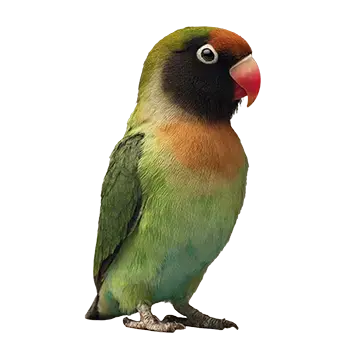

Successful travel with a Black-Cheeked Lovebird begins well before the day of departure. These birds are creatures of routine, and any disruption to their environment can cause stress that manifests as agitation, feather fluffing, loss of appetite, or excessive vocalization. The goal of preparation is to reduce the novelty of the travel experience as much as possible, so that the bird encounters the carrier, the sounds, and the motion of transport as familiar rather than threatening elements.
Introducing the travel carrier days or even weeks before a planned trip is one of the most effective preparatory steps a keeper can take. Place the carrier in or near the bird's living area with the door open, allowing the lovebird to explore it on its own terms. Offering treats and favorite foods inside the carrier creates positive associations, and short practice sessions in which the bird spends increasing amounts of time in the enclosed carrier help build tolerance. Black-Cheeked Lovebirds are social and curious by nature, and most will acclimate to a well-introduced carrier more readily than keepers expect.
A veterinary check before any significant journey is strongly recommended, particularly for trips involving air travel or border crossings. An avian veterinarian can assess the bird's overall health, identify any conditions that might be exacerbated by travel stress, and issue a health certificate if required by the destination's regulations. For Black-Cheeked Lovebirds, which can be sensitive to respiratory stress, confirming that the bird is in robust health before subjecting it to the environmental changes associated with travel is a matter of basic responsible husbandry.
Assembling a travel kit in advance ensures that essential supplies are within reach throughout the journey. This kit should include the bird's regular food and fresh water, a small supply of favorite treats, a lightweight cover for the carrier to reduce visual stimulation during transit, paper towels or absorbent liner for the carrier floor, and any medications the bird requires. Having these items organized and accessible eliminates the need to search for them under stressful circumstances and allows the keeper to focus on the bird's comfort and safety.