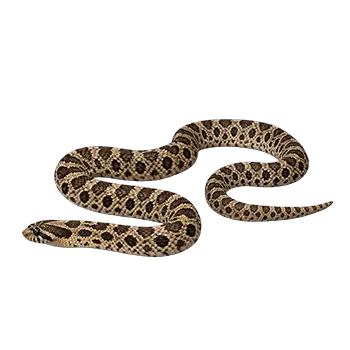

Selecting the right enclosure for a Mexican Hognose Snake begins with understanding the spatial and behavioral needs of a small, terrestrial, burrowing colubrid adapted to the arid landscapes of the Chihuahuan Desert, Sonoran margins, and adjacent scrublands. Unlike arboreal or semi-aquatic species that demand vertical space or large water features, Heterodon kennerlyi prioritizes horizontal floor area and deep substrate for burrowing. An adult Mexican Hognose Snake measuring fifteen to twenty-four inches requires an enclosure with a minimum footprint of thirty-six inches long by eighteen inches deep, with a height of twelve to eighteen inches. This provides sufficient room for a proper thermal gradient, multiple hides, a water dish, and several inches of substrate without crowding the animal.
Glass terrariums with front-opening doors are the most popular housing option for this species among hobbyist keepers. Front-opening designs allow the keeper to approach the snake from the side rather than from above, which reduces the defensive startle response that hognose snakes are famous for — the dramatic hooding, hissing, and death-feigning display that Heterodon species perform when they feel threatened. Top-opening aquarium-style tanks function adequately but require the keeper to reach down into the enclosure, which triggers overhead-predator instincts and can make routine maintenance more stressful for the snake. If a top-opening tank is used, a secure mesh or screen lid is mandatory, as Mexican Hognose Snakes are surprisingly capable escape artists that will exploit any gap wider than their head.
PVC and plastic enclosures have gained significant popularity in the hognose-keeping community, particularly among breeders maintaining multiple animals. These enclosures retain heat and humidity more efficiently than glass terrariums, which lose thermal energy through their transparent walls. PVC enclosures designed for small colubrids typically feature sliding or hinged front access panels, built-in ventilation strips, and rear or side ports for heat cable or thermostat probe routing. The insulating properties of PVC reduce the wattage required from heating elements and create a more stable microclimate, which benefits a desert species that requires a clear warm-to-cool gradient without excessive temperature swings.
Hatchling and juvenile Mexican Hognose Snakes should be started in smaller enclosures than adults require. A six-to-twelve-quart plastic tub with ventilation holes drilled in the sides, or a small front-opening terrarium in the twelve-by-twelve-by-twelve-inch range, provides an appropriately sized starter habitat. Young hognose snakes placed in oversized enclosures often become stressed, refuse food, and spend all their time buried in substrate rather than exploring or thermoregulating effectively. The confined space of a smaller enclosure helps the hatchling locate its heat source, water dish, and hides reliably, which builds feeding confidence and reduces acclimation time. As the snake grows and demonstrates consistent feeding behavior, it can be moved to progressively larger housing.