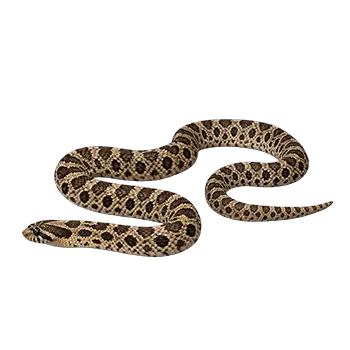

The Mexican Hognose Snake is a small, rear-fanged colubrid native to the arid scrublands and semi-desert regions of northern Mexico and the extreme southwestern United States. In the wild, Heterodon kennerlyi is a dietary specialist whose menu revolves heavily around toads, particularly species in the genus Anaxyrus, along with lizards, small frogs, lizard eggs, and occasionally nestling rodents. The mild venom delivered through enlarged rear teeth helps subdue amphibian prey that would otherwise inflate defensively, a feeding adaptation that distinguishes hognose snakes from most other colubrid species kept in captivity. Understanding this natural dietary profile is essential for designing a captive feeding strategy that keeps the snake healthy and willing to eat.
In captivity, the Mexican Hognose Snake is transitioned away from its wild amphibian-centric diet onto commercially available frozen-thawed mice, which provide a nutritionally complete food source that is far easier to source consistently than toads or lizards. Whole mice deliver protein, fat, calcium from the skeleton, organ-derived micronutrients, and roughage from the fur in a single self-contained package. This nutritional completeness is one of the primary reasons whole-prey rodent feeding has become the standard in herpeticulture, and the Mexican Hognose Snake thrives on it once successfully converted. Hatchlings that accept unscented pinky mice from their first meal onward tend to remain reliable feeders throughout their lives.
Caloric management for a snake of this size is straightforward but requires discipline. Adult Mexican Hognose Snakes rarely exceed twenty-four inches and weigh between sixty and one hundred fifty grams, so the prey items involved are small and inexpensive. However, the species has a robust appetite relative to its body mass, and keepers who feed too frequently or offer oversized prey quickly produce overweight animals. Obesity in hognose snakes manifests as a visibly round cross-section and prominent fat deposits along the tail base, and it contributes to fatty liver disease, reduced reproductive success, and shortened lifespan.
Hydration complements solid nutrition and should not be overlooked despite the species' arid origins. Mexican Hognose Snakes in the wild obtain moisture from their prey and from dew or temporary rain pools. In captivity, a shallow, tip-resistant water dish should be available at all times and refreshed every one to two days. While this species does not typically soak in its water dish the way some tropical species do, access to clean water supports kidney function, facilitates proper shedding, and aids digestion. Dehydration in small colubrids progresses rapidly and can cause uric acid retention, constipation, and dysecdysis that compounds into more serious health problems if left unaddressed.