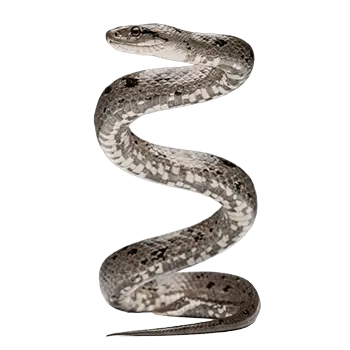

The Gray Rat Snake is a medium-to-large colubrid native to the central and eastern United States, and its dietary requirements in captivity are straightforward compared to many exotic species but still demand careful attention to detail. In the wild, Pantherophis spiloides is a generalist predator that consumes rodents, birds, bird eggs, lizards, and the occasional frog, depending on seasonal availability and the snake's size. This dietary flexibility is one of the traits that makes the species relatively easy to maintain in captivity, but it does not excuse a careless approach to nutrition. A well-fed Gray Rat Snake displays smooth, glossy scales, strong muscle tone along its dorsal ridge, and consistent growth during its developmental years.
Caloric management is the foundation of a sound feeding program for this species. Gray Rat Snakes are active, semi-arboreal constrictors that burn more energy than sedentary, heavy-bodied species, yet they are still ectotherms with comparatively modest metabolic rates. Overfeeding is a persistent temptation because these snakes are enthusiastic feeders that rarely refuse a meal, and a keeper who offers food too frequently or in oversized portions will produce an obese animal prone to fatty liver disease, reduced fertility, and shortened lifespan. A healthy Gray Rat Snake should have a gently rounded cross-section without visible fat deposits along the spine or pronounced softness when handled.
Protein derived from whole prey is the cornerstone of this species' diet in captivity. Whole-prey items deliver a complete nutritional package that no combination of supplements can replicate: skeletal calcium and phosphorus, organ-derived fat-soluble vitamins, muscle protein with a full amino acid profile, and the roughage provided by fur or feathers. Unlike processed meat products, whole prey arrives in the proportions that millions of years of evolutionary pressure optimized for a rodent-eating constrictor. Every feeding event should center on an appropriately sized whole-prey item, and deviations from this principle should only occur under specific veterinary guidance.
Hydration plays an underappreciated role in the Gray Rat Snake's nutritional health. While much of the animal's water intake comes from the prey it consumes, access to clean drinking water at all times is essential. Dehydrated snakes digest food inefficiently, produce concentrated urates that can contribute to renal stress over time, and experience more difficult sheds. A sturdy, tip-resistant water bowl large enough for the snake to soak in should be treated as a non-negotiable component of the feeding setup, cleaned and refilled daily to prevent bacterial growth.