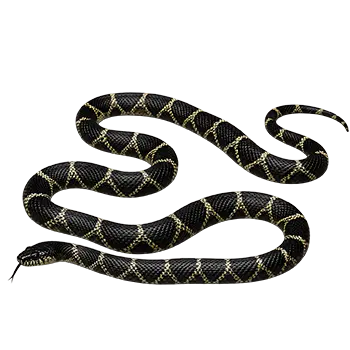

Selecting the right enclosure for a Florida Kingsnake is the single most consequential housing decision a keeper will make, and it begins with understanding the spatial and behavioral needs of this active, terrestrial colubrid. Adult Florida Kingsnakes typically reach three and a half to four and a half feet in length, with occasional individuals stretching to five feet. A minimum enclosure footprint of thirty-six inches long by eighteen inches deep is considered acceptable for most adults, though a forty-eight-inch by eighteen-inch enclosure provides meaningfully more space for exploration and thermoregulation. The height of the enclosure is less critical than floor space for this ground-dwelling species, but a minimum of twelve to fifteen inches allows for the inclusion of low climbing branches and prevents the snake from pressing against heat sources mounted on the ceiling.
Glass terrariums with screen tops remain the most widely available enclosure type and are a reasonable choice for Florida Kingsnakes in moderate climates. They offer excellent visibility, accept most standard heating and lighting products, and come in a range of standard sizes that fit the species well. However, glass enclosures present two significant drawbacks: they lose heat rapidly through the screen top, and they expose the snake to visual stimulation on all four sides, which can cause stress in shy individuals. Placing opaque backgrounds on three sides of a glass terrarium and covering a portion of the screen top to retain heat mitigates both issues effectively.
PVC and molded plastic enclosures have become the preferred choice among serious kingsnake keepers for several compelling reasons. These enclosures retain heat and humidity far more efficiently than glass, reducing energy costs and creating a more stable microclimate. Their opaque walls provide built-in visual security on three sides, and front-opening doors allow access without approaching the snake from above — a predator direction that triggers defensive responses in many colubrids. PVC enclosures are also lighter than glass, stackable for keepers with multiple animals, and available from numerous manufacturers in sizes well suited to adult kingsnakes.
Hatchling and juvenile Florida Kingsnakes should not be housed in adult-sized enclosures immediately. A small snake in a large space often feels insecure, refuses food, and spends all of its time hidden rather than engaging in the exploratory behavior that characterizes a healthy, well-adjusted kingsnake. Starting a hatchling in a six-quart to fifteen-quart plastic tub with ventilation holes, a small water dish, a single hide, and a simple substrate allows the young snake to locate its resources easily and build feeding confidence. As the snake grows through its first one to two years, stepping up through intermediate enclosure sizes before reaching the final adult setup produces a calmer, more confident animal.