
Nutritional Needs

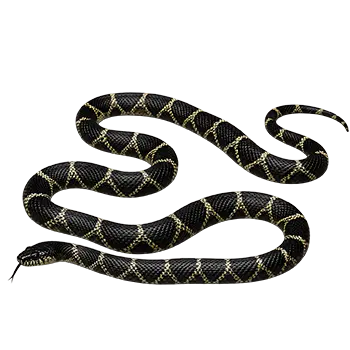
The Florida Kingsnake is a moderately sized colubrid native to the Florida peninsula, where it occupies a range of habitats from pine flatwoods and hardwood hammocks to suburban edges and agricultural land. In the wild, Lampropeltis getula floridana is an opportunistic predator with a remarkably varied diet that includes rodents, lizards, smaller snakes (including venomous species), bird eggs, and ground-nesting birds. This dietary versatility reflects the kingsnake's powerful digestive system and its well-documented ophiophagous tendencies, which give the genus its common name. In captivity, the nutritional strategy simplifies considerably, centering on commercially bred rodents that deliver a complete nutritional package when offered at the correct size and frequency.

Whole-prey feeding is the foundation of proper Florida Kingsnake nutrition. A single appropriately sized mouse or rat provides the full spectrum of macronutrients and micronutrients the snake requires: skeletal calcium and phosphorus in the correct ratio, organ-derived fat-soluble vitamins, lean muscle protein, and the indigestible fur or hair that aids gut motility. Unlike many lizard species that require complex supplementation regimens and varied produce, the Florida Kingsnake thrives on a simple whole-prey diet without the need for vitamin dusting, gut-loading, or dietary rotation under normal circumstances. This simplicity is one of the reasons kingsnakes are so frequently recommended as a first or second snake for developing keepers.

Caloric management deserves careful attention despite the Florida Kingsnake's relatively modest size. Kingsnakes as a group are enthusiastic feeders — many will eat whenever food is offered, regardless of whether they genuinely need the calories. This eagerness makes overfeeding one of the most common husbandry mistakes with the species. An overweight Florida Kingsnake develops visible fat deposits along the spine and sides, loses the defined muscular body contour that characterizes a healthy specimen, and faces elevated risks of hepatic lipidosis and reproductive complications. Monitoring body condition rather than adhering to a rigid calendar-based schedule is the most reliable way to maintain optimal weight.

Hydration rounds out the nutritional picture. Florida Kingsnakes originate from a subtropical climate with high ambient humidity and abundant standing water, and they require constant access to clean drinking water in captivity. A sturdy, tip-resistant water dish large enough for the snake to soak in supports hydration, assists with shedding, and facilitates digestion. Dehydrated kingsnakes shed poorly, produce chalky urates instead of smooth white ones, and are more susceptible to constipation. Changing the water every one to two days, or immediately after the snake defecates or soaks in it, maintains the hygienic conditions that support long-term digestive health.

Choosing the Right Prey

Prey selection for the Florida Kingsnake follows a straightforward progression that tracks the animal's growth from a slender ten-to-twelve-inch hatchling to a robust adult of three and a half to four and a half feet. Hatchlings begin on pinky mice — newborn mice that weigh roughly one to three grams — offered every five to seven days. As the snake grows through its first year, prey size advances through fuzzy mice, hoppers, and small adult mice. By the time a Florida Kingsnake reaches eighteen to twenty-four inches, most individuals are readily consuming adult mice, which will remain the primary prey item for the rest of the animal's life. Some particularly large adults may graduate to small weaned rats, but the majority of Florida Kingsnakes are lifelong mouse feeders.

The widely cited prey-sizing rule — select items approximately equal to or slightly larger than the widest point of the snake's midsection — works well for this species. Florida Kingsnakes have a more slender build than many pythons and boas of equivalent length, so the appropriate prey size often appears smaller than what a keeper might expect. Offering prey that is too large invites regurgitation, a stressful and potentially dangerous event that requires the keeper to skip at least two feeding cycles before attempting another meal. Erring toward slightly smaller prey offered consistently is always preferable to pushing prey size upward aggressively.

Frozen-thawed prey is the safest and most practical option for Florida Kingsnakes. Live rodents, even small mice, can bite and scratch a snake during the constriction process, and the resulting wounds are susceptible to bacterial infection in the warm, humid environment of a kingsnake enclosure. Frozen-thawed prey eliminates this risk entirely while also offering the convenience of long-term storage, consistent availability, and the ability to purchase in bulk at reduced per-unit cost. The vast majority of captive-bred Florida Kingsnakes accept frozen-thawed prey without hesitation, particularly when they have been raised on it from hatching.

Keepers who acquire a Florida Kingsnake that has been conditioned to live prey should transition the animal to frozen-thawed offerings as soon as practical. Warming the prey item in hot water until it reaches body temperature, presenting it with feeding tongs using gentle, lifelike movements, and offering the meal during the evening hours when kingsnakes are naturally most active all improve acceptance rates. Scenting the frozen-thawed prey by rubbing it with a shed skin from a lizard or another snake can also trigger a strong feeding response in stubborn individuals, leveraging the kingsnake's natural inclination to consume reptilian prey.

Frozen Prey Sourcing and Storage

Establishing a reliable source of high-quality frozen prey is one of the most important logistical steps a Florida Kingsnake keeper can take. Because this species feeds primarily on mice throughout its life, sourcing is considerably simpler than it is for keepers of large boids that require rabbits or similarly sized prey. Reputable online rodent breeders ship flash-frozen mice in bulk quantities packed in insulated containers with dry ice, and many local reptile shops stock a range of frozen mouse sizes as well. Buying in bulk — typically in lots of twenty-five, fifty, or one hundred — reduces per-item cost substantially and ensures a consistent supply between orders.

Quality matters when selecting a frozen prey supplier. The best suppliers raise their feeder mice on nutritious commercial rodent chow, provide clean water and sanitary housing, and process the animals humanely before flash-freezing them shortly after euthanasia. Prey that has been improperly stored, slow-frozen, or allowed to partially thaw during shipping exhibits freezer burn, tissue degradation, and off-odors that indicate bacterial contamination. Reputable breeders will replace or refund shipments that arrive in poor condition, and building a relationship with a trusted supplier pays dividends in consistent prey quality over the years.

Proper home storage preserves prey quality and prevents waste. A small chest freezer or a dedicated section of a household freezer should be maintained at or below zero degrees Fahrenheit. Organizing prey by size in labeled bags or containers, with the purchase date noted, ensures that older stock is used first. Under ideal storage conditions, frozen mice maintain acceptable nutritional quality for approximately six to nine months, though using them within four to six months is a more conservative guideline that ensures freshness. Prey that has been stored beyond twelve months should be discarded regardless of appearance, as nutrient degradation and lipid oxidation reduce its dietary value.

Thawing protocol is straightforward but important. The safest method is to place the desired number of prey items in a sealed plastic bag and submerge the bag in warm water for fifteen to thirty minutes until the mouse is fully thawed and reaches an approximate body temperature of ninety to one hundred degrees Fahrenheit. Microwaving prey is strongly discouraged because it creates hot spots that can burn the snake's mouth and esophagus, and it often cooks portions of the item while leaving others frozen. Thawed prey should never be refrozen — any uneaten items must be discarded after a feeding attempt. Developing a consistent thawing routine tied to a regular feeding schedule minimizes waste and ensures the snake always receives prey in optimal condition.

Supplements and Vitamins

Under normal husbandry conditions, a Florida Kingsnake consuming appropriately sized whole-prey items on a regular schedule does not require nutritional supplementation. The whole mouse or rat is a nutritionally complete food source, delivering calcium, phosphorus, vitamin A, vitamin D, B-complex vitamins, essential fatty acids, and trace minerals in the biologically appropriate ratios that a colubrid snake needs to maintain skeletal integrity, organ function, immune health, and reproductive fitness. This nutritional completeness is the central advantage of whole-prey feeding and the reason it remains the universal standard in responsible snake husbandry.

Specific circumstances may justify targeted supplementation, though these situations are the exception rather than the rule. A Florida Kingsnake recovering from a prolonged hunger strike, a parasitic infection, or a bout of regurgitation may benefit from a light dusting of reptile-specific calcium powder on its first few recovery meals to help rebuild depleted mineral reserves. Breeding females that are developing follicles and preparing to produce eggs have elevated calcium demands, and keepers who breed Florida Kingsnakes routinely supplement the female's meals during the pre-ovulation period to support eggshell formation and prevent the dangerous calcium depletion that can accompany egg production.

Multivitamin products should be used sparingly and only under veterinary guidance. Fat-soluble vitamins — particularly vitamins A and D3 — accumulate in the liver and fatty tissues and can reach toxic concentrations if administered too frequently or in excessive doses. Vitamin D3 supplementation is generally unnecessary for Florida Kingsnakes because they metabolize dietary vitamin D from whole prey efficiently without requiring UVB light exposure for synthesis, although some keepers provide low-level UVB as an elective enrichment measure. Water-soluble B vitamins are excreted more readily and pose less risk of toxicity, but a snake eating quality whole prey has no deficit to correct.

The single most impactful step a keeper can take to ensure optimal nutrition is to invest in high-quality prey from reputable breeders. Feeder mice raised on balanced commercial diets in clean, uncrowded conditions carry significantly higher nutrient density in their tissues than mice produced in substandard facilities. The nutritional quality of the prey animal directly determines the nutritional quality of the snake's diet, making supplier selection the most important nutritional decision a keeper makes. Supplementation should be viewed as a corrective tool for specific deficiencies, not as a routine addition to an already complete diet.

Foods to Avoid

Despite the Florida Kingsnake's reputation as an unfussy eater that will strike at nearly anything that moves, a substantial number of food items are inappropriate and potentially dangerous in captivity. Wild-caught prey tops the list of items that should never be offered. Wild mice, lizards, frogs, and insects carry parasites — including nematodes, cestodes, and pentastomids — that can establish infections in a captive snake. Wild prey may also carry residues from pesticides, herbicides, and rodenticides that accumulate in tissue and transfer directly to the snake upon ingestion. Even in rural areas where wild prey appears abundant and healthy, the invisible risks of parasitic and chemical contamination make wild-caught food items an unacceptable gamble.

Grocery-store meats such as raw chicken breast, ground beef, or fish fillets should never be used as a substitute for whole prey. These products lack the skeletal material, organ tissue, and integumentary components — bone, liver, kidney, fur — that make whole prey nutritionally complete. A Florida Kingsnake fed exclusively on boneless meat will develop metabolic bone disease over time as calcium reserves deplete and phosphorus ratios skew. The resulting skeletal weakness is particularly dangerous in a constricting species that generates significant muscular force against its own skeleton during feeding. Additionally, raw grocery meats harbor bacterial loads including salmonella and listeria at levels that whole frozen prey from dedicated breeders does not approach.

Oversized prey is a common and avoidable feeding error. While Florida Kingsnakes are capable constrictors that can manage prey slightly larger than their head width, pushing prey size too aggressively causes regurgitation — a physiologically traumatic event that strips the esophageal lining of its protective mucus layer, dehydrates the snake through fluid loss, and leaves the animal stressed and vulnerable to secondary infection. After a regurgitation event, the keeper must wait a minimum of ten to fourteen days before offering a meal that is noticeably smaller than the item that was regurgitated. Repeated regurgitation episodes can create a cycle of feeding aversion that is difficult to break.

Feeding other snakes to a captive Florida Kingsnake is inadvisable despite the species' well-documented ophiophagous behavior in the wild. Captive feeder snakes are not commercially available from most suppliers, and using wild-caught snakes introduces the full spectrum of parasitic and pathogenic risks described above. More critically, offering snakes as prey can condition the animal to strike at cage mates in multi-animal setups or even at its own reflection, creating management challenges that serve no nutritional purpose. The complete nutritional needs of a Florida Kingsnake are fully met by commercially bred rodents, and there is no dietary justification for introducing snake prey into a captive feeding program.

Insects, amphibians, and processed reptile food products marketed as complete diets round out the list of items to avoid. While wild Florida Kingsnakes occasionally consume frogs or large insects, these items do not provide adequate caloric density or nutritional balance for sustained captive maintenance. Commercially manufactured snake sausages and gel diets have not been demonstrated to support long-term health in colubrids, and their acceptance rate among kingsnakes is generally poor. The proven simplicity of a whole-prey rodent diet eliminates any need for experimentation with alternative food sources that carry unquantified nutritional risks.

Always consult a qualified professional before making any health-related decisions. This content is provided for informational reference only and should not replace professional guidance specific to your animal.