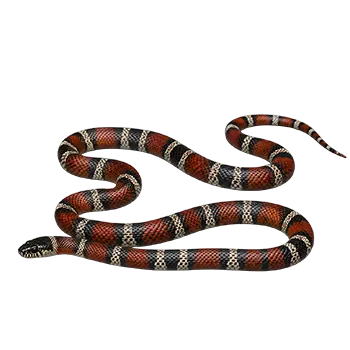

Selecting the correct enclosure for an Eastern Milk Snake is the single most consequential housing decision a keeper will make, and it influences every subsequent aspect of the animal's care. Adult Eastern Milk Snakes, which typically reach twenty-four to thirty-six inches in length, require an enclosure that provides adequate floor space for thermoregulation, exploration, and exercise while maintaining the security that this secretive species demands. A twenty-gallon long aquarium or its equivalent — approximately thirty inches long by twelve inches deep by twelve inches tall — serves as a reliable minimum for a fully grown adult. Keepers who can provide a larger enclosure, such as a thirty-six-inch or forty-gallon breeder tank, will observe more natural behavior and greater use of the available space.
Glass terrariums with screen tops are the most widely available enclosure option and work well for Eastern Milk Snakes provided they meet two critical requirements: secure closure and adequate ventilation without excessive moisture loss. The screen top must lock or clamp firmly, as milk snakes are notorious escape artists with a remarkable ability to exploit even small gaps between the lid and the tank rim. Aftermarket screen clips or lid locks are inexpensive insurance against a missing snake, and many experienced keepers consider them non-negotiable for any Lampropeltis species. The screen mesh itself should be fine enough to prevent the snake's nose from pushing through, which can cause rostral abrasions.
PVC and molded plastic enclosures have gained substantial popularity among colubrid keepers in recent years, and they offer several advantages over glass for the Eastern Milk Snake. PVC enclosures retain heat and humidity more effectively than glass, reducing the workload on heating elements and lowering the risk of the enclosure drying out too quickly. They are also lighter, stackable for keepers with multiple animals, and typically feature front-opening doors that allow access without removing a lid — a design that reduces the startle response in a species already inclined toward nervousness. The main drawbacks are higher upfront cost and limited visibility compared to clear glass.
Wooden vivariums with glass sliding fronts represent a third option that performs well for Eastern Milk Snakes in cooler climates or rooms. The insulating properties of wood help maintain stable temperatures with less energy expenditure, and the enclosed design provides the dim, sheltered environment that milk snakes prefer. However, wooden enclosures require a sealed interior surface — marine-grade varnish or a food-safe epoxy — to prevent moisture damage and bacterial infiltration of the wood grain. Unsealed wooden enclosures deteriorate rapidly under the humidity levels required for healthy shedding and become impossible to disinfect thoroughly once the finish breaks down.
Hatchling and juvenile Eastern Milk Snakes should not be placed directly into adult-sized enclosures. A small snake in a large space may feel exposed and insecure, leading to chronic stress, feeding refusal, and defensive behavior. Starting hatchlings in a five- or ten-gallon enclosure, a shoebox-sized plastic tub with ventilation holes, or a similarly compact setup allows the keeper to monitor feeding closely and provides the close confines that young milk snakes find reassuring. Upgrading to the adult enclosure as the snake grows — typically when it reaches twelve to eighteen inches — is a straightforward process that most keepers complete within the first year.