
Understanding Enrichment Needs

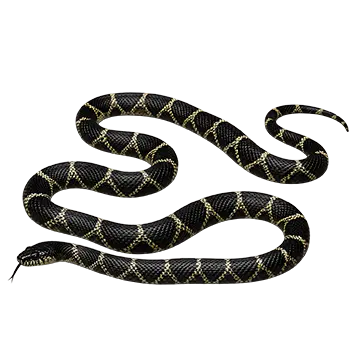
The concept of enrichment for snakes has gained significant traction in herpetological circles over the past two decades, driven by research demonstrating that reptiles are far more cognitively and behaviorally complex than traditionally assumed. The Eastern Kingsnake is among the best candidates for enrichment within the colubrid family because of its naturally inquisitive temperament, its active foraging strategy in the wild, and its demonstrated willingness to interact with novel objects and environments in captivity. Lampropeltis getula getula is not a sit-and-wait ambush predator; it is a wide-ranging active forager that traverses considerable distances in search of prey, constantly investigating crevices, burrows, leaf litter, and rock piles with its highly developed chemosensory system.

Enrichment for snakes differs fundamentally from enrichment for mammals or birds, and keepers new to the concept should recalibrate their expectations accordingly. A snake does not play with a ball, solve a puzzle box for treats, or demonstrate obvious enjoyment of a toy in the way a dog or parrot might. Instead, enrichment for the Eastern Kingsnake takes the form of environmental complexity that encourages the full expression of its natural behavioral repertoire: exploring, climbing, burrowing, investigating scent trails, choosing between multiple microclimates, and selecting preferred resting sites. The measure of successful enrichment is not whether the snake appears to be having fun in a human sense but whether it is exhibiting the full range of species-typical behaviors rather than remaining stationary in a single hide for days on end.

Barren enclosures — setups with only a water dish and a single hide on a flat substrate — are unfortunately common among new keepers who prioritize ease of cleaning over the animal's behavioral needs. While a kingsnake will survive in a minimalist enclosure, survival and thriving are not the same condition. Snakes housed in enriched environments with multiple hides, varied textures, climbing opportunities, and substrate depth for burrowing consistently demonstrate lower stress indicators, more regular feeding responses, better shedding outcomes, and greater willingness to engage with their keeper during handling sessions. The investment of time and thought required to create an enriched enclosure pays dividends in animal welfare and keeper satisfaction.

The Eastern Kingsnake's reputation as an escape artist is itself evidence of its environmental engagement. A snake that persistently tests enclosure boundaries is demonstrating active exploration behavior, not malicious intent. This drive to investigate and navigate complex spaces should be channeled into the enclosure environment rather than suppressed by stripping the habitat bare. An enclosure rich with objects to explore, climb over, push through, and hide beneath gives the kingsnake constructive outlets for its exploratory instincts and reduces the intensity of escape-testing behavior.

Climbing and Exploration Structures

Although the Eastern Kingsnake is primarily terrestrial, it is a capable and willing climber that regularly ascends low vegetation, rock faces, and fallen timber in the wild. Providing climbing opportunities in the captive enclosure adds vertical dimension to the animal's available space, encourages physical exercise, and supports muscular development along the full length of the body. Sturdy branches, driftwood pieces, and grapevine wood are the most commonly used climbing structures and should be selected with attention to diameter, stability, and surface texture. Branches with a diameter roughly equal to the snake's body width provide the best grip and allow the snake to drape comfortably while resting at elevation.

Commercially available reptile branches and climbing platforms designed for arboreal species work well for the Eastern Kingsnake, though they should be secured firmly to prevent toppling. A branch that shifts or falls when the snake climbs it can injure the animal and will discourage future climbing attempts. Silicone adhesive rated for aquarium use, stainless steel screws through the enclosure back wall, or heavy rock bases all provide effective anchoring. The arrangement should create multiple pathways and levels rather than a single vertical pole, allowing the snake to choose between different routes and resting positions. A horizontal branch positioned six to eight inches below the heat source creates an elevated basking platform that many Eastern Kingsnakes use regularly.

Natural cork bark is among the most versatile enrichment materials available for colubrid enclosures. Cork bark tubes provide both climbing surfaces and enclosed hiding spaces in a single item. The rough, textured exterior offers excellent traction for climbing, while the hollow interior creates a dark, secure tunnel that the snake can rest inside. Cork bark rounds can be leaned against the enclosure walls to create ramp-like structures, or flat sections can be placed across raised supports to form elevated platforms. The material is lightweight, rot-resistant, naturally antimicrobial, and available in a wide range of sizes from specialty reptile suppliers.

Rock formations assembled from smooth river stones, stacked slate pieces, or commercially produced resin rock structures provide another dimension of exploratory complexity. The Eastern Kingsnake in the wild frequently investigates rocky outcrops and stone walls, threading through gaps and sheltering beneath overhanging ledges. Replicating these features in the enclosure with stable, non-tipping rock arrangements gives the snake surfaces of varying temperature, texture, and orientation to interact with. Rocks positioned on the warm side of the enclosure absorb and radiate heat, creating localized basking spots that the snake can press against for thermoregulation — a behavior known as thigmothermy that is central to how terrestrial snakes manage their body temperature.

Hides and Sheltering Options

Hides are the single most important enrichment item in any Eastern Kingsnake enclosure, and no habitat setup is complete without at minimum two hides — one on the warm end and one on the cool end. The fundamental purpose of a hide is to provide the snake with a sense of security by enclosing its body in a snug, dark space. In the wild, the Eastern Kingsnake shelters under fallen logs, inside rodent burrows, beneath bark slabs, inside rock crevices, and within the tangled root systems of trees. These retreats offer protection from predators, thermal refuge from temperature extremes, and the sense of confinement that is inherently calming for a species that evolved to occupy tight spaces.

The proper sizing of a hide is critical to its effectiveness. A hide that is too large defeats its purpose because the snake does not feel the body contact on multiple sides that signals safety. The ideal hide allows the snake to coil comfortably inside with its body touching the walls and ceiling simultaneously. As the snake grows, hides must be upgraded to maintain this snug fit. Many keepers maintain a collection of hides in graduated sizes — small, medium, and large — and rotate them as the snake progresses through its growth stages. Half-log hides made from natural or resin materials, inverted ceramic plant saucers with a doorway cut into the rim, and commercially molded reptile caves all serve the purpose effectively.

Beyond the essential warm-side and cool-side hides, additional hiding options increase the complexity of the environment and give the snake more choices throughout the day. A humid hide — a ventilated container filled with damp sphagnum moss — placed in the mid-zone or warm end of the enclosure provides a microclimate with elevated humidity that supports healthy shedding. The snake will seek this hide voluntarily during the pre-shed phase when it needs increased moisture to loosen the old skin layer. Some keepers offer a fourth hide in the form of a buried container or tube partially submerged in the substrate, which appeals to the Eastern Kingsnake's strong burrowing instinct and provides yet another distinct microenvironment to choose from.

Hide placement should be strategic rather than random. Distributing hides across the thermal gradient ensures that the snake never has to choose between feeling secure and achieving optimal body temperature. A snake that has access to a hide on the warm end only will use it for security but may overheat if it stays there continuously. Conversely, a snake with only a cool-side hide may sacrifice thermoregulatory needs for the comfort of concealment. The two-hide minimum solves this problem by decoupling security from temperature, allowing the snake to thermoregulate freely while always having access to shelter. Additional hides in the mid-zone and at various elevations expand this principle further and create a genuinely choice-rich environment.

Environmental Enrichment Strategies

Beyond permanent fixtures like branches and hides, a range of enrichment strategies can introduce novelty and stimulation into the Eastern Kingsnake's daily experience without requiring a complete enclosure redesign. Scent-based enrichment is particularly effective for this species because kingsnakes rely heavily on chemoreception — tongue-flicking to gather airborne molecules and processing them through the vomeronasal organ in the roof of the mouth. Introducing novel, non-threatening scents into the enclosure triggers exploratory behavior as the snake investigates the source. A small piece of cloth rubbed on a non-venomous shed skin from another reptile species, a clean feather from a pet bird, or a leaf brought in from the garden and placed in the enclosure for a few hours provides olfactory stimulation that the snake can investigate at its own pace.

Rearranging the enclosure layout on a periodic basis is one of the simplest and most effective enrichment techniques available. Moving hides to new positions, rotating climbing branches to different orientations, and shifting decorative items to unfamiliar locations forces the snake to re-explore and re-map its territory. This mimics the natural experience of an animal whose outdoor environment changes with seasons, fallen trees, erosion, and animal activity. Monthly rearrangements during routine deep cleaning sessions are a practical schedule, though keepers should avoid rearranging immediately after a feeding event, as the disruption can stress a digesting snake.

Texture variety across the enclosure floor provides tactile enrichment that encourages movement and exploration. Instead of a uniform substrate, keepers can create zones with different materials: a deep aspen burrowing area in one section, a patch of flat slate for belly-warming, a cluster of dried leaves for rustling through, and a section of damp moss near the humid hide. These textural differences create distinct microhabitats within the enclosure that the snake can navigate and select from based on its immediate behavioral needs. The resulting environment is closer to what the Eastern Kingsnake encounters in its natural forest-floor habitat than any single-substrate setup can achieve.

Supervised out-of-enclosure exploration time provides enrichment on a scale that no terrarium can replicate. Allowing the Eastern Kingsnake to explore a snake-proofed room under close supervision gives it access to novel textures, scents, temperatures, and spatial dimensions that far exceed what the enclosure provides. Furniture legs become climbing structures, carpet provides a different tactile experience from substrate, and the varied thermal landscape of a room — warmer near windows, cooler near air vents — gives the snake opportunities for natural thermoregulatory behavior. These sessions should be kept to fifteen to thirty minutes to avoid chilling and must be supervised continuously, as the Eastern Kingsnake will find and exploit openings behind furniture, under doors, and inside cabinets with remarkable speed and determination.

Water Features and Soaking Options

Water plays a multifaceted role in the Eastern Kingsnake's enrichment program that extends well beyond basic hydration. In the wild, Lampropeltis getula getula is commonly found near streams, ponds, marshes, and seasonal wetlands, and it enters water voluntarily to soak, forage for amphibian prey, and cool itself during warm weather. Providing water-related enrichment in the captive enclosure taps into these natural behaviors and adds a sensory dimension that dry furnishings alone cannot replicate. The standard water dish, when sized appropriately, doubles as a soaking vessel that the snake will use regularly, particularly during the pre-shed phase and during warm periods when it seeks evaporative cooling.

Water dish selection for enrichment purposes differs from the minimal hydration-only approach. A heavy ceramic crock or a naturalistic resin water bowl with a wide, shallow profile and a textured interior surface allows the snake to enter, coil comfortably, and exit without tipping the vessel. The dish should be large enough for the snake to submerge its entire body but shallow enough that the water level does not pose a drowning risk — typically two to three inches deep for an adult Eastern Kingsnake. Dishes with ramped edges or rough-textured rims provide secure footing and make entry and exit easy for the snake, encouraging more frequent voluntary use.

Some keepers incorporate small recirculating water features into naturalistic bioactive enclosures for their Eastern Kingsnakes. A miniature waterfall or stream element created with a small aquarium pump, food-safe tubing, and a cascade of stacked stones provides moving water that many snakes find attractive. The sound and vibration of flowing water may trigger investigatory behavior, and the increased evaporation from a moving water surface helps maintain ambient humidity. These features require additional maintenance — the pump filter must be cleaned weekly, water quality must be monitored for bacterial growth, and the pump intake must be screened to prevent the snake from contacting the impeller — but they add a level of environmental realism that flat water dishes cannot match.

Periodic soaking sessions outside the enclosure can supplement in-cage water enrichment for Eastern Kingsnakes that seem reluctant to use their water dish for soaking. A shallow plastic storage container filled with two inches of lukewarm dechlorinated water and placed in a warm, quiet room provides a controlled soaking environment. These sessions are particularly beneficial during shedding difficulty, as the warm water softens retained skin and allows the snake to work it off through natural movement. Sessions should last no longer than fifteen to twenty minutes, and the snake should be observed throughout to ensure it remains comfortable and does not become chilled as the water cools.

Safety Considerations for Enrichment Items

Every enrichment item introduced into the Eastern Kingsnake's enclosure must be evaluated for safety before placement. Snakes interact with their environment through full-body contact, tongue-flicking, and constriction, and they lack the ability to avoid or recover from hazards the way limbed animals can. A sharp edge on a rock, a splintered section of branch, or a gap between two decorative items that traps the snake can cause lacerations, scale damage, or constriction injuries that compromise the animal's health and require veterinary intervention. The first rule of enrichment safety is thorough inspection: run your fingers over every surface of every item before placing it in the enclosure, checking for sharp points, rough edges, loose fragments, and hardware that could snag scales.

Chemical safety is equally important and encompasses the materials from which enrichment items are constructed as well as any treatments, finishes, or residues they may carry. Wood collected from outdoors must be free of insecticide or herbicide contamination, and species known to produce toxic resins or oils — including cedar, eucalyptus, pine, and black walnut — must never be used. Commercially sold driftwood and grapevine intended for aquarium or reptile use is generally safe, but pieces salvaged from craft stores or floral suppliers may have been treated with preservatives, dyes, or fire retardants that are hazardous to reptiles. When in doubt about the provenance of a wood item, baking it in an oven at two hundred degrees Fahrenheit for thirty minutes sterilizes it against parasites and drives off volatile residues, though it does not remove embedded chemical treatments.

Structural stability prevents crushing injuries and entrapment. Every rock, branch, hide, and decorative element must be secured so that it cannot fall, roll, or shift when the snake pushes against it or climbs over it. The Eastern Kingsnake is a powerful snake for its size and will exert considerable lateral force against objects as it navigates through the enclosure. Stacked rock formations should be anchored with aquarium-safe silicone adhesive or built on a solid base that distributes weight. Leaning branches should be wedged firmly or screwed into position. Any arrangement that depends on friction or gravity alone to stay upright will eventually be displaced by an active kingsnake, with potentially injurious consequences.

Entrapment hazards are a specific concern with kingsnakes because of their tendency to push into extremely tight spaces. Gaps between hide boxes and enclosure walls, openings in decorative items, and spaces beneath furnishings that are too small for the snake to pass through but large enough for it to enter partway can result in the animal becoming stuck. An Eastern Kingsnake wedged in a tight space will struggle, potentially abrading its scales and exhausting itself. Keepers should ensure that every opening in the enclosure is either large enough for the snake to pass through freely or too small for it to enter at all. Testing with a piece of dowel roughly the diameter of the snake's body is a practical method for identifying problematic gaps before the animal discovers them the hard way.

Always consult a qualified professional before making any health-related decisions. This content is provided for informational reference only and should not replace professional guidance specific to your animal.