
Nutritional Needs

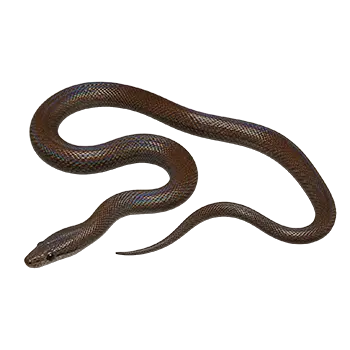
The Colombian Rainbow Boa is a medium-bodied constrictor native to the tropical and semi-arid regions of northern South America, where Epicrates maurus occupies a dietary niche centered on small mammals, birds, lizards, and amphibians. In captivity, this translates to a whole-prey diet built primarily around commercially bred rodents. The species' moderate adult size of five to seven feet means that prey sizing remains manageable throughout the animal's life, but the nutritional strategy must still account for the snake's high metabolic rate relative to many other boid species, its sensitivity to obesity, and its need for consistent hydration in a humidity-dependent environment.

Whole-prey feeding is the cornerstone of Colombian Rainbow Boa nutrition because each prey item delivers a complete nutritional package. The skeleton supplies calcium and phosphorus in a biologically appropriate ratio, the organs provide fat-soluble vitamins and trace minerals including iron, zinc, and copper, and the muscle tissue delivers complete amino acid profiles. Unlike processed or partial diets, whole prey ensures that every macronutrient and micronutrient arrives in the proportions that a snake's digestive system evolved to extract. This self-contained nutritional delivery is the primary reason that whole-prey feeding remains the universal standard among experienced boid keepers.

Caloric management is particularly important for Colombian Rainbow Boas because the species is prone to obesity in captivity. Wild individuals expend significant energy navigating complex terrain, thermoregulating across microclimates, and hunting prey that is neither predictable nor easy to capture. Captive animals face none of these energetic demands, yet they retain the metabolic hardware that allows them to efficiently convert food into stored fat. An overfed Colombian Rainbow Boa develops visible fat deposits along the spine and flanks, loses muscle definition, and becomes increasingly sedentary — a cascade that leads to hepatic lipidosis, respiratory compromise, and shortened lifespan. Maintaining a lean, muscular body condition requires careful attention to prey size, feeding frequency, and the keeper's willingness to resist the snake's enthusiastic feeding response.

Hydration intersects directly with nutrition in this species. Colombian Rainbow Boas require elevated ambient humidity, typically between sixty-five and eighty-five percent, and they drink regularly from standing water sources. Adequate hydration supports efficient digestion, proper shedding, and renal function. A dehydrated Colombian Rainbow Boa digests prey more slowly, produces concentrated urates, and is more susceptible to constipation — a condition that can escalate to fecal impaction if left unaddressed. Providing a clean, generously sized water bowl that the snake can drink from and partially soak in is as fundamental to the animal's nutritional well-being as the prey itself.

Choosing the Right Prey

Prey selection for the Colombian Rainbow Boa follows the standard whole-prey sizing principle used across boid husbandry: the prey item should be approximately equal to or slightly larger than the widest point of the snake's body at mid-coil. For neonates, which typically measure between fourteen and eighteen inches at birth, this means starting with pinky mice or small fuzzy mice. As the snake grows through its first year, prey size advances through fuzzy mice, hopper mice, and into adult mice. By the time a Colombian Rainbow Boa reaches two to three feet, it transitions to weaned rats, and healthy adults in the five-to-seven-foot range consume medium to large rats as their staple prey.

The transition from mice to rats is a critical juncture in the feeding progression. Mice and rats differ meaningfully in their fat-to-protein ratio, with mice generally carrying a higher percentage of body fat relative to lean mass. While this higher fat content is beneficial for rapidly growing juveniles that need caloric density, it becomes counterproductive for sub-adults and adults that require leaner prey to maintain healthy body condition. Switching to rats at the appropriate size threshold — typically when the snake is comfortably consuming adult mice and has reached roughly twenty to twenty-four inches — provides a leaner, more protein-dense prey item that supports continued muscular growth without encouraging excessive fat deposition.

Frozen-thawed prey is the strongly preferred feeding method for Colombian Rainbow Boas. Live prey poses genuine risks to the snake, including bites and scratches from rodents that can cause infections, abscesses, and permanent scarring on the snake's iridescent skin. The distinctive holographic sheen that gives rainbow boas their common name is produced by microscopic ridges on the scales that refract light, and scarring from prey bites can permanently disrupt this structural coloration. Beyond the physical risk, frozen-thawed feeding eliminates the ethical concerns associated with live prey, allows the keeper to maintain a convenient inventory, and simplifies the logistical demands of feeding day.

Some keepers supplement the standard rodent diet with occasional alternative prey items to introduce dietary variety. Day-old chicks, African soft-furred rats, and multimammate mice are all accepted by most Colombian Rainbow Boas and provide slightly different nutrient profiles. Chicks are leaner than rodents and offer a different amino acid composition, while African soft-furred rats have a scent and texture that many boids find highly stimulating. These alternatives should remain occasional supplements rather than dietary staples, as commercially bred mice and rats provide the most reliable and well-documented nutritional profile for long-term captive maintenance.

Frozen Prey Options

Building and maintaining a frozen prey inventory is one of the most practical aspects of Colombian Rainbow Boa husbandry, and the moderate prey sizes this species requires make bulk purchasing both economical and space-efficient. Unlike keepers of large pythons who must source rabbits and similarly bulky prey, Colombian Rainbow Boa keepers work almost exclusively within the mouse-to-medium-rat range, which is the most widely available and competitively priced segment of the commercial feeder market. Establishing a reliable supplier and purchasing in bulk quantities — typically in lots of twenty-five to one hundred — reduces the per-unit cost substantially compared to buying individual prey items from local pet shops.

Quality assessment begins at the point of delivery. Reputable frozen prey suppliers use carbon dioxide or cervical dislocation for humane euthanasia, flash-freeze the prey shortly after processing, and ship in insulated containers with sufficient dry ice or gel packs to maintain sub-freezing temperatures throughout transit. Upon arrival, every prey item should be solidly frozen with no signs of partial thawing, ice crystal formation on the fur indicating temperature fluctuation, or discoloration of the skin and extremities. Prey that arrives soft, discolored, or with a detectable odor should be refused or discarded — the bacterial proliferation that occurs during a thaw-refreeze cycle can introduce pathogenic organisms including Salmonella, Pseudomonas, and Clostridium species that cause gastrointestinal infections in snakes.

Proper home storage extends the usable life of frozen prey and maintains nutritional quality. A dedicated small chest freezer is the ideal solution, as it maintains more consistent temperatures than a household freezer that is opened frequently throughout the day. Prey should be organized by size and date of purchase, with older stock positioned for use first. When stored at or below zero degrees Fahrenheit, frozen mice and rats retain acceptable nutritional quality for approximately six to twelve months. Beyond twelve months, fat oxidation and protein degradation begin to reduce the prey's nutritional value, even if the items remain safely frozen from a food-safety perspective.

Thawing protocol matters as much as storage. The recommended method is to place the frozen prey item in a sealed plastic bag and submerge it in warm water — not hot, not boiling — for fifteen to thirty minutes until the item is fully thawed and reaches approximately body temperature throughout. Microwave thawing is strongly discouraged because it creates hot spots that can cook portions of the prey while leaving the core frozen, and it degrades protein structures unevenly. The thawed prey should feel uniformly warm and pliable, with no frozen core remaining. Presenting a partially frozen prey item risks regurgitation, as the snake's digestive system must expend additional energy warming and processing the frozen mass.

Supplements and Vitamins

Under normal husbandry conditions, a Colombian Rainbow Boa that is consuming appropriately sized whole-prey items on a consistent schedule does not require routine supplementation. The whole-prey model delivers every essential nutrient in bioavailable form — calcium and phosphorus from the skeleton, retinol and cholecalciferol from the liver and other organs, B vitamins from muscle tissue, and essential fatty acids from adipose deposits. This completeness is the fundamental advantage of whole-prey feeding and the reason it has remained the standard of care across decades of boid husbandry.

Situations that may justify targeted supplementation are uncommon but do arise. Females in active breeding condition — particularly those developing follicles or carrying eggs — face elevated calcium demands that a standard feeding schedule may not fully meet. In these cases, a light dusting of reptile-specific calcium carbonate without phosphorus on the prey item can provide additional mineral support. The supplementation should be conservative, as calcium excess can be as problematic as deficiency, potentially contributing to visceral gout or soft-tissue mineralization. A reptile veterinarian experienced with boids should guide the dosing and duration of any reproductive supplementation program.

Recovery from illness, parasitic infection, or prolonged fasting is another context where supplementation may be appropriate. A Colombian Rainbow Boa emerging from a multi-month hunger strike — which can occur in response to seasonal changes, breeding cycles, or environmental stressors — may benefit from a reptile-specific multivitamin applied sparingly to the first few prey items. Fat-soluble vitamins A, D, and E accumulate in hepatic tissue and can reach toxic concentrations if administered excessively or over prolonged periods, so multivitamin use should be time-limited and ideally supervised by a veterinarian.

The most impactful nutritional decision a keeper can make is not whether to add supplements but whether to invest in high-quality prey. Feeder rodents raised on nutritious diets — commercial rodent chow supplemented with fresh vegetables and grains — carry a meaningfully different nutritional profile than rodents raised on minimal feed in overcrowded conditions. The fat-soluble vitamin content, mineral density, and omega fatty acid ratios of the prey animal are directly influenced by its own diet and husbandry. Purchasing prey from suppliers who maintain transparent, welfare-conscious breeding operations ensures that each prey item delivers the full spectrum of nutrients that the Colombian Rainbow Boa needs without any supplemental intervention.

Foods to Avoid

The Colombian Rainbow Boa's dietary requirements are straightforward, but the list of inappropriate food items is substantial and the consequences of dietary errors range from minor digestive disruption to fatal toxicity. Wild-caught prey is the most dangerous category of inappropriate food. Wild mice, rats, birds, and lizards carry parasites — including Cryptosporidium, pentastomids, and various cestodes and nematodes — that can establish chronic infections in captive snakes. Additionally, wild prey may have consumed rodenticide bait, pesticides, or herbicides that concentrate in the prey animal's tissues and transfer to the snake upon ingestion. A single wild-caught mouse that has consumed anticoagulant rodenticide can cause fatal hemorrhagic syndrome in the snake that eats it.

Grocery-store meat products are entirely unsuitable for Colombian Rainbow Boas despite their superficial resemblance to prey tissue. Boneless chicken breast, ground beef, pork, and fish fillets lack the skeletal calcium, organ-derived vitamins, and fur-based fiber that whole prey provides. A snake fed exclusively on boneless meat will develop metabolic bone disease as calcium and phosphorus ratios become critically imbalanced. The spine softens, the jaw structure weakens, and the animal loses the ability to constrict and consume prey effectively. This progressive skeletal deterioration is painful, debilitating, and often irreversible by the time clinical signs become obvious.

Oversized prey is a particularly insidious feeding error because it is often motivated by the keeper's desire to offer variety or to accelerate the snake's growth. A prey item that significantly exceeds the snake's girth at mid-body forces the jaw, spine, and body wall to stretch beyond safe limits and dramatically increases the risk of regurgitation. Regurgitation in Colombian Rainbow Boas is a serious medical event — the corrosive digestive acids damage the esophageal mucosa, the snake becomes acutely dehydrated, and the stress response can suppress the immune system for weeks following the episode. After a regurgitation event, the snake must be left completely undisturbed for at least ten to fourteen days before a smaller-than-normal prey item is offered to restart the feeding cycle.

Feeding multiple small prey items as a substitute for a single appropriately sized item is a practice that some keepers adopt to avoid the oversized-prey problem, but it introduces its own complications. Multiple prey items in the stomach create a larger combined mass that the digestive system must process simultaneously, and the fur and skeletal material from several animals forms a dense bolus that can cause constipation or slow-transit issues. If multiple prey must be offered — as occasionally happens during growth transitions when the snake has outgrown one size but is not yet ready for the next — the items should be offered sequentially with several minutes between each to allow the snake to position each item properly in the stomach.

Feeding Schedule and Techniques

Establishing a consistent feeding schedule for a Colombian Rainbow Boa requires balancing the animal's age, growth rate, body condition, and reproductive status against the species' tendency toward obesity in captivity. Neonates and juveniles under one year of age should be offered an appropriately sized prey item every five to seven days. This relatively frequent schedule supports the rapid growth that characterizes the first twelve to eighteen months of life, during which the snake may more than double in length. As the snake approaches sub-adult size — roughly three to four feet — the interval extends to every seven to ten days. Healthy adults in maintenance condition thrive on a feeding schedule of every ten to fourteen days, with some keepers extending to every three weeks for particularly sedentary individuals or those showing early signs of excess weight.

Feeding technique begins well before the prey is offered. The frozen prey item should be fully thawed using the warm-water submersion method and brought to approximately body temperature. Many Colombian Rainbow Boas respond more enthusiastically to prey that is slightly warm to the touch, as the heat signature stimulates the labial heat-sensing pits that line the snake's upper and lower jaws. These pits detect infrared radiation and allow the snake to strike accurately at warm-bodied prey even in complete darkness — a critical adaptation in the wild that keepers can leverage by ensuring prey is properly warmed.

Presenting prey with long feeding tongs — twelve to eighteen inches is ideal — is both a safety measure and a practical technique. Colombian Rainbow Boas possess a strong feeding response, and a hungry animal may strike rapidly at anything warm that enters its enclosure. Tongs create safe distance between the keeper's hand and the strike zone, and they allow the keeper to animate the prey item with gentle, lifelike movements that trigger the snake's predatory instincts. The prey should be held by the hindquarters and presented headfirst toward the snake, allowing it to seize the prey at the nose or skull and begin the swallowing process in the correct orientation. Offering prey tail-first can result in difficult or prolonged swallowing as fur and limbs resist passage in the wrong direction.

Post-feeding management is an often-overlooked component of the feeding protocol. After consuming a prey item, the Colombian Rainbow Boa should be left completely undisturbed for a minimum of forty-eight hours — seventy-two hours is preferable. Handling, cage maintenance, and even unnecessary visual disturbance during this digestive window increase the risk of regurgitation. The enclosure's warm side should be maintained at the upper end of the appropriate temperature range during digestion to support efficient enzymatic activity. A visible mid-body lump will be apparent for the first day or two after feeding and should gradually diminish as digestion proceeds. If the lump persists unchanged beyond four or five days, or if the snake appears restless and positions itself with the head elevated, a regurgitation event may be imminent, and the keeper should monitor closely without intervening.

Always consult a qualified professional before making any health-related decisions. This content is provided for informational reference only and should not replace professional guidance specific to your animal.