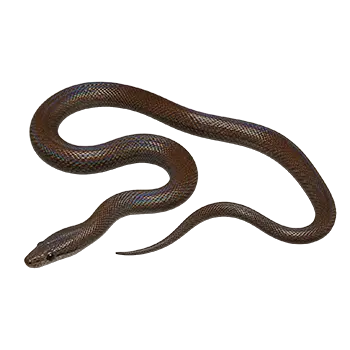

Water Bowls and Hydration Accessories

The water bowl is among the most functionally important accessories in a Colombian Rainbow Boa enclosure, serving simultaneously as the snake's primary drinking source, a soaking vessel that supports skin health and shedding, and a significant contributor to ambient humidity within the enclosed habitat. Selecting the right water bowl involves balancing size, weight, material, and design against the specific demands of a species that drinks regularly, soaks frequently, and inhabits an environment where sustained high humidity is a non-negotiable requirement.

Ceramic and stoneware bowls are the preferred materials for Colombian Rainbow Boa water containers. Their weight provides inherent stability that prevents a five-to-seven-foot muscular boid from tipping the bowl during nocturnal exploration or soaking sessions — a common problem with lightweight plastic dishes that results in flooded substrate, disrupted humidity levels, and the keeper's frustration. Glazed ceramic bowls also resist bacterial adhesion more effectively than porous materials, creating a smoother surface that is easier to sanitize during routine cleaning. The bowl should be deep enough for the snake to submerge its body to a depth of at least an inch but shallow enough that the snake can enter and exit without effort. A gently sloped rim rather than a steep vertical wall facilitates easy access.

Bowl sizing should accommodate the snake's soaking behavior, which is more pronounced in Colombian Rainbow Boas than in many other commonly kept snake species. An adult Epicrates maurus will routinely coil partially or fully inside its water bowl, particularly in the days preceding a shed cycle when increased moisture facilitates the separation of the old skin layer from the new. A bowl with an interior diameter of ten to fourteen inches comfortably accommodates the soaking posture of most adult Colombian Rainbow Boas. Some keepers maintain two water sources — a smaller drinking bowl on the warm side and a larger soaking vessel on the cool side — to provide continuous access to clean drinking water even when the soaking bowl has been clouded by the snake's activity.

Water quality and change frequency directly impact the snake's health outcomes. Municipal tap water treated with chlorine and chloramine should be allowed to off-gas for twenty-four hours or treated with a reptile-safe water conditioner before being offered. Alternatively, filtered water removes chlorine, heavy metals, and dissolved solids without the need for chemical treatment. The water should be changed at minimum every forty-eight hours under normal conditions, with immediate replacement if the snake defecates, regurgitates, or sheds into the bowl. Biofilm — the slimy coating that develops on the bowl's interior surface — must be scrubbed away during each water change using a dedicated brush, as this bacterial community harbors opportunistic pathogens that can cause dermatitis, stomatitis, and respiratory infections in snakes that soak in contaminated water.

Hides and Shelters

Hides are not optional accessories — they are essential infrastructure that directly determines the Colombian Rainbow Boa's stress level, feeding response, and overall physiological health. A snake without access to a properly sized, enclosed hide exists in a state of chronic low-grade stress that suppresses immune function, disrupts feeding behavior, and accelerates the progression of opportunistic diseases. The minimum requirement is two hides: one positioned on the warm end of the enclosure and one on the cool end, ensuring that the snake can thermoregulate without sacrificing its sense of security.

Hide sizing follows the principle of snug contact. The interior dimensions of the hide should allow the snake to coil inside with its dorsal surface touching the ceiling or upper wall of the shelter. This contact pressure — known as thigmotaxis — triggers a calming physiological response in snakes, reducing circulating stress hormones and promoting the restful, secure posture that characterizes a well-adjusted captive animal. A hide that is too large fails to provide this contact, leaving the snake feeling exposed even when concealed from visual observation. As the Colombian Rainbow Boa grows, hides must be replaced with progressively larger models to maintain the snug fit that the snake's neurological system requires for comfort.

Material options for hides span a wide range of commercial and natural products. Molded resin hides shaped to resemble rocks, logs, and caves are widely available in sizes appropriate for medium-bodied boids and are easy to clean, durable, and resistant to the humid conditions within the enclosure. Cork bark flats and half-rounds provide a natural aesthetic and excellent humidity retention — the bark's porous structure absorbs and slowly releases moisture, creating a microclimate within the hide that is slightly more humid than the surrounding enclosure air. This micro-humidity effect is particularly beneficial for Colombian Rainbow Boas during the pre-shed period, when elevated moisture around the skin surface facilitates clean, complete sheds. Commercially produced plastic hides are functional and inexpensive but lack the moisture-management properties of cork and the visual appeal of resin.

Beyond the two mandatory warm-side and cool-side hides, additional shelter options enhance the enclosure's complexity and give the snake choices that promote natural decision-making behavior. A humid hide — a fully enclosed container with a single entry hole, lined with damp sphagnum moss — provides a dedicated high-humidity retreat that the snake can enter voluntarily when it needs additional moisture. This accessory is especially valuable during shed cycles and in enclosures where maintaining consistently high ambient humidity is challenging. The humid hide should be positioned on the warm side of the enclosure, where the elevated temperature promotes evaporation from the damp moss and creates a warm, humid microenvironment that closely approximates the tree hollows and burrows that Colombian Rainbow Boas occupy in the wild.

Handling Tools and Equipment

Safe and confident handling of a Colombian Rainbow Boa requires a small set of purpose-built tools that protect both the snake and the keeper during interactions that range from routine enclosure maintenance to veterinary transport. While Colombian Rainbow Boas are generally considered docile by boid standards, they are capable of defensive striking — particularly juveniles and newly acquired adults — and their feeding response can be vigorous enough to result in accidental bites when the snake mistakes the keeper's warm hand for prey entering the enclosure.

A snake hook is the most fundamental handling tool and should be considered mandatory equipment for any Colombian Rainbow Boa keeper. The hook serves as a first-contact instrument that allows the keeper to gently lift, guide, and reposition the snake without placing hands directly into the enclosure — a critical safety measure during routine interactions with an animal that may be in feeding mode. The hook length should be proportional to the enclosure depth, typically eighteen to twenty-four inches for standard adult enclosures. The hook's curved end should be smooth, rounded, and wide enough to support the snake's body without concentrating pressure on a narrow contact point. Stainless steel hooks with rubberized or powder-coated handles provide the best combination of durability, grip, and easy sanitation.

Feeding tongs are essential for prey presentation and should be long enough to keep the keeper's hand well outside the snake's strike range. Twelve-to-eighteen-inch stainless steel tongs with a gentle, non-crushing grip are ideal. The tong tips should be rounded or silicone-coated to prevent puncturing the thawed prey item, which would release body fluids prematurely and create a mess. Hemostats and forceps, while useful for manipulating small prey items for neonates, lack the length necessary for safely feeding adult Colombian Rainbow Boas and should not be used as a substitute for proper feeding tongs in adult enclosures.

Protective gloves may be used during initial handling sessions with defensive juveniles or newly imported animals, but they should be considered a transitional tool rather than a permanent fixture of the handling routine. Thick leather or Kevlar-blend gloves reduce the keeper's anxiety about being bitten, which in turn produces calmer, more confident handling movements that the snake perceives as less threatening. However, gloves eliminate the tactile feedback that allows an experienced handler to read the snake's muscle tension, breathing rate, and grip pressure — subtle cues that communicate the animal's stress level and readiness for interaction. As the keeper-snake relationship develops and the animal becomes accustomed to routine handling, transitioning to bare-hand contact is preferable for both the keeper's sensitivity and the snake's comfort.

Cleaning and Maintenance Supplies

Maintaining a sanitary enclosure is one of the most important ongoing responsibilities of Colombian Rainbow Boa ownership, and the warm, humid environment this species requires makes rigorous cleaning protocols even more critical than they are for arid-climate reptiles. Bacteria, fungi, and parasites thrive in the conditions that Colombian Rainbow Boas need to survive, and a lapse in hygiene can escalate from a contaminated substrate patch to a systemic infection in a matter of days. Assembling a dedicated cleaning kit and establishing a consistent maintenance schedule protects the snake's health and reduces the long-term cost and effort of veterinary intervention.

A reptile-safe disinfectant is the cornerstone of the cleaning kit. Chlorhexidine solution at a concentration of two percent is the most widely recommended disinfectant for reptile enclosures because it is effective against a broad spectrum of bacteria, fungi, and enveloped viruses while presenting minimal toxicity risk to the snake after proper rinsing. The solution should be prepared fresh for each cleaning session by diluting the concentrate according to the manufacturer's instructions. All surfaces that contact the snake — enclosure walls, floor, hides, water bowls, branches, and any removable furnishings — should be sprayed or wiped with the solution, allowed to sit for the contact time specified on the product label, and then rinsed thoroughly with clean water to remove all chemical residue before the snake is returned to the enclosure.

Spot cleaning should occur daily or every other day. This involves removing visible fecal material, urates, shed skin fragments, and any soiled substrate from the enclosure without disturbing the overall habitat layout. A dedicated scooping tool — a small plastic scoop, a disposable spoon, or a reptile-specific substrate sifter — makes spot cleaning quick and minimally disruptive. The soiled substrate should be replaced with an equal volume of fresh, pre-moistened material to maintain consistent substrate depth and humidity levels. Spot cleaning is the first line of defense against bacterial accumulation and is far less stressful for the snake than a full enclosure breakdown.

Full substrate changes and deep cleans should occur every four to six weeks under normal conditions, or more frequently if the enclosure develops persistent odor, visible mold, or substrate compaction that impedes drainage. During a full clean, the snake should be placed in a secure temporary container — a ventilated plastic tub with a secure, weighted lid works well — while the entire enclosure is emptied, scrubbed with disinfectant, rinsed, dried, and refurnished with fresh substrate and cleaned accessories. This is also the ideal time to inspect the enclosure itself for cracks, gaps in sealant, heat element integrity, and any structural issues that might compromise the snake's security or the enclosure's climate control.

Disposable supplies — paper towels, nitrile gloves, and trash bags — round out the maintenance kit. Paper towels are indispensable for wiping down surfaces, blotting excess moisture, and cleaning glass or acrylic viewing panels. Nitrile gloves protect the keeper from pathogen exposure during waste removal and disinfection and prevent the transfer of hand oils, lotions, and fragrances onto enclosure surfaces. All waste materials should be bagged, sealed, and disposed of promptly rather than left near the enclosure area where they could attract insects or harbor bacterial colonies.

Transport and Travel Carriers

Every Colombian Rainbow Boa keeper needs a reliable transport solution for veterinary visits, relocations, reptile shows, and emergency evacuations. Transport is inherently stressful for snakes — the combination of handling, unfamiliar vibrations, temperature fluctuation, and visual exposure triggers a defensive stress response that the keeper must mitigate through careful container selection and travel preparation. A well-designed transport setup minimizes the duration and intensity of this stress by providing the snake with security, darkness, stable temperature, and protection from physical injury throughout the journey.

Cloth snake bags — made from breathable, tightly woven cotton or muslin — are the traditional transport method for boids and remain effective for short-duration moves such as veterinary appointments. The snake is guided gently into the bag, the opening is tied securely with a double overhand knot positioned at least six inches above the snake to prevent contact with the closure, and the bag is placed inside a rigid secondary container such as a lidded plastic tub or a hard-sided cooler for protection during transport. The cloth bag provides the darkness and contact pressure that calm the snake, while the rigid outer container prevents crushing, puncture, and escape. Bags should be inspected before each use for thin spots, fraying seams, and holes that a persistent snake could exploit.

Rigid plastic containers with ventilated, locking lids serve as the primary transport solution for longer journeys and situations where the snake must remain contained for extended periods. A well-ventilated storage tub — typically fifteen to thirty quarts for an adult Colombian Rainbow Boa — lined with crumpled newspaper or paper towels that provide secure footing and multiple crevices for the snake to wedge into, creates a dark, enclosed environment that minimizes visual stimulation. The lid must lock positively, as a stressed boid will press against every seam and edge during transport. Several small ventilation holes drilled into the upper walls of the container — never through the lid where water could drip in — provide airflow without compromising security.

Temperature management during transport is critical, particularly in extreme weather. Colombian Rainbow Boas should not be exposed to temperatures below sixty degrees or above ninety degrees Fahrenheit during transit. In cold weather, a chemical hand warmer wrapped in a towel and placed inside the secondary container — but separated from the snake by a layer of newspaper or cloth to prevent direct contact burns — maintains a safe thermal buffer for trips of up to two hours. In hot weather, transport should be scheduled during cooler morning or evening hours, and the container should never be left in a parked vehicle where interior temperatures can exceed one hundred and twenty degrees within minutes. Air-conditioned vehicle cabins provide the most reliable temperature control during summer transport.

Labeling and identification are practical details that should not be overlooked. The transport container should be clearly labeled with the species name, the keeper's contact information, and the direction in which the container should be oriented. A simple label reading something along the lines of the species name, a live-animal designation, a keep-warm or keep-cool advisory, and the keeper's phone number ensures that if the container is separated from the keeper — at a veterinary office, during an emergency evacuation, or at a reptile event — anyone who encounters it knows what is inside and how to handle it safely.

Shedding Aids and Skin Care

The Colombian Rainbow Boa's spectacular iridescent skin — produced by microscopic ridges on the scale surfaces that refract light into rainbow hues — is one of the species' most distinctive features and one of the most compelling reasons keepers are drawn to Epicrates maurus. Maintaining the health and visual brilliance of this skin requires attention to the shedding process, which occurs every four to eight weeks in healthy adults and more frequently in rapidly growing juveniles. A clean, complete shed that comes off in a single unbroken piece indicates that the snake's hydration, humidity, and overall health are well managed. Incomplete or patchy sheds signal an environmental or health problem that must be addressed promptly.

Humidity is the single most important factor in successful shedding, and the accessories that support humidity management are therefore the most critical shedding aids. A humid hide — an enclosed container with a single entry hole, filled with damp sphagnum moss — provides a dedicated high-moisture retreat that the snake will seek out instinctively as the pre-shed period begins. The pre-shed phase is visually identifiable: the snake's normally vibrant coloration dulls to a milky, washed-out appearance as lymphatic fluid separates the old skin layer from the new one beneath. The eyes cloud over with a bluish opacity as the spectacle — the transparent scale covering each eye — loosens. During this phase, the snake should have uninterrupted access to the humid hide, and the enclosure's ambient humidity should be maintained at the upper end of the acceptable range, ideally seventy-five to eighty-five percent.

Shedding complications — collectively termed dysecdysis — occur when retained skin fragments remain adhered to the snake's body after the shed is otherwise complete. Common retention sites include the tail tip, the spectacles, and the area around the cloaca. Retained spectacles are the most medically urgent form of dysecdysis because accumulated layers of unshed spectacle material impair vision and can eventually cause corneal damage or infection. If retained skin is identified, the appropriate response is to increase enclosure humidity and provide a prolonged soaking opportunity in shallow, lukewarm water — seventy-eight to eighty-two degrees Fahrenheit — for fifteen to thirty minutes. The retained skin will often soften and release during or shortly after the soak, and the keeper can gently assist removal by allowing the snake to crawl through a damp, warm towel that provides the friction needed to dislodge the stuck fragments.

Dedicated shedding products are available commercially, though their necessity is debatable among experienced keepers. Reptile shedding sprays, typically water-based solutions with added humectants and mild emollients, can be misted onto the snake during the pre-shed period to supplement ambient humidity. Shedding-aid solutions applied to a damp cloth and gently wiped along the snake's body may help loosen stubborn retained skin. These products are generally safe when used as directed, but they should not substitute for proper environmental humidity management — if a Colombian Rainbow Boa is experiencing chronic dysecdysis, the underlying cause is almost certainly insufficient enclosure humidity, and no topical product will resolve the problem until the environmental conditions are corrected.

Post-shed skin inspection is a valuable husbandry practice that doubles as a health-monitoring tool. The shed skin should be examined for completeness — both spectacles should be present as intact, transparent caps, the tail tip should be fully shed, and the skin should be continuous from nose to tail. The shed skin also reveals the condition of the snake's scale surfaces: damage from burns, mites, bacterial dermatitis, or physical injury will appear as discolored, thickened, or irregularly textured areas on the shed. Keepers who routinely inspect shed skins develop an early-warning system for health problems that might not be visually apparent on the living snake, where the iridescent coloration can mask subtle changes in scale condition.

Always consult a qualified professional before making any health-related decisions. This content is provided for informational reference only and should not replace professional guidance specific to your animal.