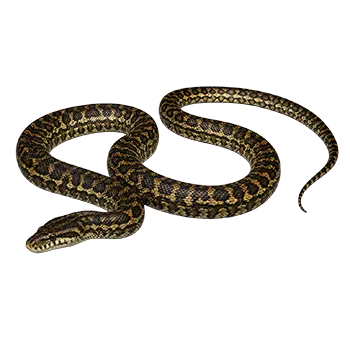

The Coastal Carpet Python is the largest subspecies of the carpet python complex, and its nutritional requirements reflect the demands of maintaining a muscular, semi-arboreal body that routinely reaches seven to nine feet in length. In the wild, Morelia spilota mcdowelli inhabits the rainforests, woodlands, and suburban fringes of coastal Queensland and northern New South Wales, where it preys opportunistically on mammals, birds, and occasionally lizards. This varied natural diet delivers a complete spectrum of protein, fat, calcium, and organ-derived micronutrients with every meal, and the goal of captive feeding is to replicate that nutritional completeness through carefully selected whole-prey items.
Caloric management is the cornerstone of long-term health for this subspecies. Coastal Carpet Pythons are robust feeders with strong prey responses, and their willingness to eat does not mean they should be fed on an accelerated schedule. Obesity is one of the most common and most preventable health problems in captive carpet pythons, manifesting as visible fat deposits along the spine, reduced mobility, and ultimately fatty liver disease and shortened lifespan. A properly conditioned Coastal Carpet Python should have a firm, muscular body with a discernible spine line that is neither sharply prominent nor buried under soft tissue.
Macronutrient balance shifts across the animal's developmental stages. Neonates emerging from the egg at roughly twelve to sixteen inches require frequent, small meals to fuel the rapid growth that characterizes the first eighteen months of life. Juveniles transitioning from pinky mice to adult mice or weaned rats need consistent feeding to support skeletal development and muscle mass accumulation. Once the snake reaches adult size, the feeding frequency decreases substantially, and the keeper's primary concern shifts from growth support to weight maintenance. Breeding females have temporarily elevated caloric and mineral demands during follicular development and should receive slightly increased meal frequency in the months leading up to ovulation.
Hydration is a frequently overlooked dimension of carpet python nutrition. Coastal Carpet Pythons originate from humid subtropical and tropical environments where ambient moisture is high and standing water is readily accessible. In captivity, a clean, sturdy water bowl large enough for the snake to soak in supports proper hydration, facilitates the shedding cycle, and aids digestive efficiency. Dehydration compromises gut motility, increases the risk of constipation and uric acid retention, and contributes to incomplete sheds that can escalate into secondary infections if retained eye caps or tail tips become necrotic.