
Nutritional Needs

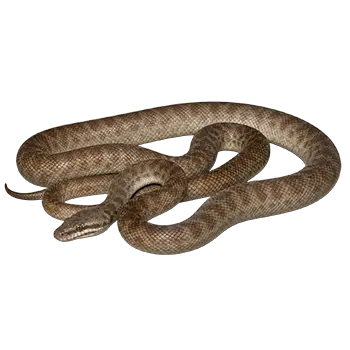
The Children's Python (Antaresia childreni) is a small, slender python native to northern Australia, and its dietary requirements reflect its modest size and relatively slow metabolism. In the wild, these snakes feed primarily on small lizards, frogs, and occasionally tiny mammals. In captivity, their nutritional needs are straightforward compared to larger python species, but keepers must still pay attention to prey size, feeding frequency, and the overall caloric balance to prevent obesity or malnutrition.

Because Children's Pythons are ambush predators that do not expend enormous amounts of energy chasing prey, they require fewer calories than comparably sized active species. Overfeeding is one of the most common mistakes new keepers make. A snake that appears slightly lean along the spine with visible muscle tone is generally healthier than one that looks round or overfed. The goal is to maintain a body condition that allows you to feel the spine without it being sharply prominent.

Protein is the primary macronutrient in any snake's diet, and whole prey items provide a complete nutritional package including calcium from bones, vitamins from organ tissue, and essential fatty acids. Unlike mammals or birds, snakes do not require fiber, carbohydrates, or plant-based nutrition. Their digestive systems are optimized entirely for processing animal protein, and offering anything other than appropriate whole prey items is unnecessary and potentially harmful.

Juvenile Children's Pythons have higher metabolic rates and grow rapidly during their first two years, meaning they need to eat more frequently than adults. As the snake matures and its growth rate slows, feeding intervals should be extended accordingly. Understanding where your individual snake falls on the growth curve helps you tailor its feeding plan to avoid the long-term health consequences of chronic overfeeding.

What to Look For

When selecting prey items for a Children's Python, size is the single most important factor. The general rule is that prey should be no wider than the widest part of the snake's body, or roughly one to one-and-a-half times the diameter of the snake's midsection. Offering prey that is too large can cause regurgitation, which is stressful and potentially dangerous for the snake. Prey that is consistently too small, on the other hand, fails to provide adequate nutrition and forces the snake to eat more frequently than necessary.

Quality matters as much as size. Whether you purchase frozen or live prey, the animals should come from reputable breeders or suppliers that raise feeder animals on nutritious diets. Prey animals that were poorly nourished pass that nutritional deficit along to the snake. Look for suppliers that maintain clean facilities and can provide information about how their feeder colonies are raised and what they are fed.

Freshness is another critical consideration for frozen prey. Items that have been stored too long or have gone through freeze-thaw cycles lose nutritional value and can harbor bacteria. When purchasing frozen feeders, check for signs of freezer burn such as dry, discolored patches on the skin. Properly stored frozen prey should appear intact with no ice crystal buildup inside the packaging, and it should be used within six months of the freeze date for optimal quality.

Variety within reason is beneficial. While mice and rats of appropriate size will form the staple diet for most captive Children's Pythons, occasionally offering different prey types can provide a broader spectrum of micronutrients. Some keepers supplement with day-old chicks or small quail once the snake is large enough to take them, though these should be considered occasional additions rather than dietary mainstays.

Recommended Prey Types

For hatchling and juvenile Children's Pythons, pinky mice are the standard starter prey. Newborn snakes can sometimes be reluctant feeders, and pinkies are small enough to be manageable while still providing complete nutrition. As the snake grows through its first year, you can gradually increase prey size from pinkies to fuzzies, then hoppers, and eventually adult mice. The transition between prey sizes should be gradual and guided by the snake's body condition rather than a rigid schedule.

Adult Children's Pythons typically eat small to medium adult mice as their primary food source. Some larger individuals may take weaned rats, but this species rarely needs prey larger than a standard adult mouse. Unlike larger pythons that graduate to rats and eventually rabbits, the Children's Python's modest adult size means mice will remain the appropriate prey for the snake's entire life in most cases.

Multi-prey feeding is sometimes practiced with smaller snake species, where two or three smaller items are offered in a single session instead of one appropriately sized prey item. While this can work in certain situations, it is generally preferable to offer a single prey item of the correct size. Multiple prey items can lead to digestive complications and make it harder to track how much the snake is actually consuming over time.

For keepers who want to provide dietary enrichment, day-old chicks and button quail can be offered occasionally to adult specimens. These prey items have a different nutritional profile than rodents, with higher calcium content from developing bones and a different fat composition. They should not replace rodents as the primary diet but can serve as a nutritional supplement offered every few feeding cycles.

Frozen vs. Live Feeding

The debate between frozen-thawed and live prey is one of the most discussed topics in snake husbandry, and for Children's Pythons, frozen-thawed feeding is strongly recommended. Live prey animals can bite, scratch, and injure a snake, particularly if the snake is not immediately interested in feeding. Even a small mouse can inflict serious wounds on a snake that is in shed, feeling unwell, or simply not hungry. These injuries can become infected and lead to costly veterinary treatment.

Frozen prey offers several practical advantages beyond safety. It can be purchased in bulk and stored for months, eliminating the need for frequent trips to a pet supply store. It removes the ethical concerns associated with keeping live feeder colonies, and it allows keepers to maintain a consistent supply of properly sized prey items. Most reputable feeder suppliers flash-freeze their animals humanely, and the nutritional content remains largely intact when the prey is stored and thawed correctly.

Thawing frozen prey properly is essential. The safest method is to move the prey item from the freezer to the refrigerator the night before feeding, then bring it to room temperature by placing it in a sealed bag in warm water for fifteen to twenty minutes before offering it to the snake. Never microwave frozen prey, as this creates hot spots that can burn the snake's mouth and digestive tract. The prey should feel warm to the touch but not hot, roughly mimicking the body temperature of a live animal.

Some Children's Pythons, particularly wild-caught individuals or those previously fed live prey, may initially refuse frozen-thawed items. Transitioning these snakes requires patience. Techniques such as braining the prey item to release scent, warming it slightly above body temperature, or wiggling it gently with feeding tongs to simulate movement can help trigger a feeding response. Most snakes will accept frozen-thawed prey within a few attempts if the keeper is consistent.

Treats & Supplements

Snakes fed a diet of whole prey generally do not require vitamin or mineral supplementation because the prey animal itself provides a complete nutritional package. The bones supply calcium and phosphorus, the organs provide fat-soluble vitamins, and the muscle tissue delivers protein and essential amino acids. This is one of the advantages of feeding whole prey over any processed or partial food source.

That said, there are specific circumstances where supplementation may be warranted. Snakes recovering from illness, females preparing for or recovering from egg laying, and growing juveniles on rapid feeding schedules may benefit from occasional calcium or multivitamin dusting on prey items. If you suspect a nutritional deficiency, consult a reptile veterinarian before adding supplements, as over-supplementation can be just as harmful as deficiency.

Some keepers use prey items that have been gut-loaded, meaning the feeder animal was fed a nutrient-dense diet shortly before being frozen or offered live. Gut-loading is a common practice in reptile husbandry for insectivorous species, and it can provide marginal nutritional benefits for snake prey as well. Feeder mice raised on high-quality rodent chow with fresh vegetables will have a better nutritional profile than those raised on minimal diets.

There are no appropriate treat foods for snakes in the way that treats exist for dogs or cats. Snakes do not have the cognitive relationship with food that mammals do, and offering novel food items outside of their normal diet simply for variety's sake can cause digestive issues. The best approach is to maintain a consistent, properly sized, and nutritionally complete prey diet without attempting to introduce novelty foods that serve no biological purpose.

Foods to Avoid

Never feed a Children's Python any prey item that is significantly larger than the widest part of its body. Oversized prey is the most common cause of regurgitation in captive snakes, and repeated regurgitation episodes can damage the esophageal lining, cause dehydration, and lead to a dangerous cycle where the snake becomes increasingly reluctant to feed. When in doubt, choose a prey item that is slightly too small rather than one that might be too large.

Wild-caught prey should be avoided entirely. Mice, lizards, frogs, or insects caught outdoors may carry internal parasites, pesticide residues, or diseases that can be transmitted to your snake. Even if a wild-caught prey item appears healthy, it may harbor parasites that are asymptomatic in the prey species but pathogenic in reptiles. The cost savings of catching your own feeders are not worth the veterinary bills that can result from parasite infestations.

Processed meats, raw chicken, fish, eggs, and any non-whole-prey food items should never be offered to a Children's Python. These foods do not provide the complete nutritional profile that whole prey delivers, and they can introduce bacteria such as salmonella in forms that the snake's digestive system is not equipped to handle. Snakes have evolved to digest whole animals with fur, feathers, or scales intact, and deviating from this causes nutritional imbalances over time.

Avoid feeding prey that has been thawed and refrozen. Each freeze-thaw cycle degrades the cellular structure of the prey, reducing nutritional value and increasing bacterial load. If a prey item has been thawed but the snake refuses it, discard it rather than refreezing it for a future attempt. Maintaining a well-organized freezer with properly dated prey items helps prevent this issue.

Feeding Schedule

Hatchling Children's Pythons should be offered their first meal approximately five to seven days after their first successful shed, which typically occurs within one to two weeks of hatching. Start with a single pinky mouse offered in the evening, as these snakes are naturally nocturnal feeders. If the hatchling refuses its first meal, wait three to four days before trying again. Initial feeding reluctance is common and not cause for alarm unless it persists beyond four to six weeks.

Juvenile snakes under one year of age should be fed every five to seven days. This frequent schedule supports the rapid growth that occurs during the first year of life. As the snake approaches its first birthday and growth begins to slow, you can extend the interval to every seven to ten days. Monitor body condition closely during this transition period and adjust the schedule if the snake begins to look either too lean or too heavy.

Adult Children's Pythons do well on a feeding schedule of once every ten to fourteen days. Some keepers feed every seven days, but for a species that is prone to obesity in captivity, a slightly longer interval between meals is generally healthier. During the cooler months, many Children's Pythons naturally reduce their appetite, and it is perfectly acceptable to extend feeding intervals to every two to three weeks if the snake is showing less interest in food.

Always feed your snake in its enclosure rather than moving it to a separate feeding container. The old advice about using a separate feeding tub to prevent cage aggression has been largely debunked by modern herpetological practice. Moving a snake before and after feeding increases stress, raises the risk of regurgitation, and does not meaningfully reduce defensive behavior. Simply use feeding tongs to offer the prey item calmly, and avoid handling the snake for at least forty-eight hours after it has eaten to allow proper digestion.

Always consult a qualified professional before making any health-related decisions. This content is provided for informational reference only and should not replace professional guidance specific to your animal.