
Nutritional Needs

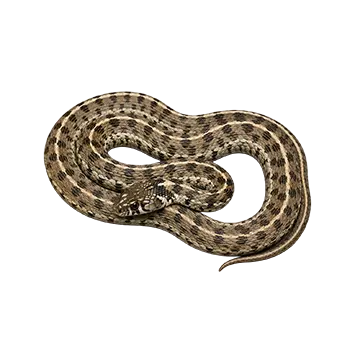
The Checkered Garter Snake occupies a distinctive dietary niche among commonly kept colubrids. Unlike ball pythons, corn snakes, and kingsnakes that thrive on a straightforward rodent-based diet, Thamnophis marcianus is a generalist predator whose wild menu centers on fish, amphibians, earthworms, slugs, and the occasional small rodent or lizard. This dietary breadth is not merely a curiosity but a fundamental aspect of the species' biology that keepers must accommodate in captivity. Attempting to maintain a Checkered Garter Snake on rodents alone, while technically possible in some cases, ignores the animal's evolutionary adaptations and frequently leads to feeding refusals, nutritional imbalances, and chronic health problems.

The metabolic rate of the Checkered Garter Snake is notably higher than that of many comparably sized snake species. Garter snakes as a group are active foragers rather than ambush predators, and they burn calories at a pace that demands more frequent feeding than a similarly sized kingsnake or rat snake would require. An adult Checkered Garter Snake in good health typically needs to eat two to three times per week, a stark contrast to the weekly or biweekly feeding schedules appropriate for most rodent-eating colubrids. This frequency means that keepers must maintain a reliable supply of appropriate food items and plan their procurement strategy accordingly.

Protein sources for this species must deliver complete amino acid profiles while also supplying the calcium, phosphorus, and trace minerals necessary for skeletal health and proper organ function. Whole prey items such as earthworms, whole fish, and pinky mice provide this completeness naturally. Fillets of fish or strips of meat, by contrast, are nutritionally incomplete because they lack bones, organs, and skin. A diet composed exclusively of fish fillets, for instance, will eventually produce calcium deficiency and metabolic bone disease, a condition that manifests as softened jaw bones, spinal kinking, and difficulty striking and swallowing prey.

Hydration plays a significant role in the nutritional health of this species. Checkered Garter Snakes inhabit semi-arid grasslands, scrublands, and desert margins across the southwestern United States, Mexico, and into Central America, but they are closely associated with water sources within those habitats. In captivity, access to clean drinking water is essential, and many of the prey items in a proper garter snake diet — fish, worms, and amphibians — contain high moisture content that supplements the animal's hydration. Keepers who feed primarily dry or freeze-dried food items must be especially vigilant about water availability and may need to mist the enclosure periodically to prevent chronic low-grade dehydration.

Choosing the Right Prey

Earthworms are the single most reliable and nutritionally balanced staple food for captive Checkered Garter Snakes. Nightcrawlers, specifically Lumbricus terrestris or Eisenia hortensis, are widely available from bait shops, garden supply stores, and online retailers, and they provide an excellent combination of protein, moisture, and calcium. Their soft bodies are easy for garter snakes of all sizes to swallow, and they stimulate a strong feeding response in virtually every Checkered Garter Snake regardless of age or temperament. Keepers should purchase nightcrawlers from pesticide-free sources and rinse them thoroughly before offering, as worms raised in treated soil or bedding can carry chemical residues that accumulate in the snake over time.

Whole fish represent the second pillar of a well-rounded Checkered Garter Snake diet. Appropriate species include silversides, guppies, platies, and tilapia fry, all of which can be purchased frozen in bulk from reptile supply companies. The critical requirement is that the fish be offered whole and unprocessed, with bones, organs, and scales intact. Fish fillets are inadequate because they strip away the skeletal calcium and organ-derived vitamins that make whole fish nutritionally complete. Equally important is the species of fish being offered — certain freshwater fish including goldfish, rosy red minnows, and fathead minnows contain thiaminase, an enzyme that destroys vitamin B1 and leads to fatal thiamine deficiency when these fish are fed as a dietary staple.

Pinky and fuzzy mice serve as a valuable supplemental food for Checkered Garter Snakes but should not form the exclusive diet. Neonatal mice are rich in fat and calcium and provide a nutritional boost that fish and worms alone may not fully deliver, particularly for gravid females or rapidly growing juveniles. Offering a pinky mouse once every two to three weeks alongside the regular diet of worms and fish adds caloric density and rounds out the mineral profile. Frozen-thawed pinkies are strongly preferred over live offerings for safety and convenience, and most Checkered Garter Snakes accept them without hesitation once they associate the scent and warmth with food.

Sliced tilapia, salmon, and trout can be offered occasionally as variety items, but they must be treated as supplements rather than staples because they lack the skeletal and organ components of whole prey. When using fish fillets as occasional variety, keepers should dust them with a reptile-specific calcium powder to partially compensate for the missing bone content. The fillets should be cut into strips no wider than the snake's head and offered with feeding tongs to prevent substrate ingestion. Fresh, raw, unseasoned fillets are the only acceptable option — cooked fish, smoked fish, and any product containing salt, oil, or seasoning is entirely inappropriate for reptile consumption.

Prepared and Commercial Diets

The commercial reptile food market has expanded considerably in recent years, and several products now target garter snake keepers specifically. Reptilinks produces a garter snake formula that combines whole fish, frog meat, and added calcium into a sausage-like link encased in a natural casing. These links are convenient, shelf-stable when frozen, and accepted by many Checkered Garter Snakes after a brief acclimation period. They offer a practical solution for keepers who find sourcing and storing live worms or whole fish logistically difficult, particularly those living in areas where bait shops are scarce or nightcrawler availability is seasonal.

Canned and freeze-dried food products marketed for reptiles vary widely in quality and appropriateness for garter snakes. Freeze-dried shrimp and krill are sometimes suggested for garter snakes, but they have significant limitations. The freeze-drying process removes virtually all moisture content, and these products must be rehydrated thoroughly before offering to prevent gastrointestinal impaction. Even when rehydrated, they lack the nutritional completeness of whole fish or earthworms and should be considered an occasional treat rather than a dietary component. Canned snails and canned insects similarly fall short as primary food sources, though they can add textural and flavor variety that enriches the animal's feeding experience.

Gel-based fish foods designed for aquarium use are sometimes repurposed by garter snake keepers, but this practice carries risks. These products are formulated for the digestive systems and nutritional requirements of fish, not reptiles, and they may contain ingredients, preservatives, or colorants that are inappropriate for snake consumption. The gelatin matrix itself can cause digestive issues in reptiles whose gastrointestinal tracts are not adapted to processing plant-derived binding agents. Keepers seeking convenience should invest in purpose-made reptile food products rather than repurposing aquarium or pet fish diets.

Regardless of which commercial products a keeper incorporates, they should never constitute the entirety of a Checkered Garter Snake's diet. The foundation should always be whole prey — earthworms, whole fish, and occasional pinky mice — with commercial products serving as supplements, variety items, or logistical backups for periods when fresh or frozen whole prey is temporarily unavailable. A diet built primarily on processed or prepared foods, no matter how well formulated, cannot replicate the textural diversity, behavioral stimulation, and complete micronutrient delivery that whole prey provides.

Supplements and Vitamins

Calcium supplementation is the single most important dietary addition for captive Checkered Garter Snakes, primarily because several of the species' staple food items — earthworms and fish fillets in particular — have calcium-to-phosphorus ratios that are less than ideal for long-term reptile health. A high-quality calcium powder without added phosphorus should be dusted lightly onto prey items at every other feeding for adults and at every feeding for rapidly growing neonates and juveniles. The calcium powder adheres most effectively to moist prey items like earthworms and thawed fish, making application straightforward. Excessive calcium dusting should be avoided, as a thick coating of powder can deter feeding and, in extreme cases, contribute to calcium deposits in soft tissues.

Vitamin D3 supplementation warrants careful consideration with this species. In the wild, Checkered Garter Snakes are diurnal to crepuscular baskers that synthesize vitamin D3 through cutaneous exposure to ultraviolet B radiation. In captivity, the provision of low-level UVB lighting reduces the need for dietary D3 supplementation considerably. Keepers who provide appropriate UVB lighting generally do not need to supplement D3 beyond what is naturally present in whole prey. However, in setups without UVB lighting, a calcium powder that includes D3 — used sparingly, no more than once per week — can help prevent the metabolic bone disease that results from insufficient vitamin D3 and consequent poor calcium absorption.

Multivitamin powders formulated for reptiles can be beneficial when used judiciously and infrequently. A light dusting of a reptile multivitamin on prey items once every one to two weeks provides a safety net of fat-soluble and water-soluble vitamins that may be marginally deficient in a captive diet. The key word is marginally — a Checkered Garter Snake eating a varied diet of whole earthworms, whole fish, and occasional pinkies receives the vast majority of its vitamin needs from the prey itself. Multivitamin supplementation is insurance against small gaps rather than a replacement for dietary quality, and over-supplementation, particularly of fat-soluble vitamins A and D, can cause toxicity that damages the liver and kidneys.

The thiaminase issue deserves special emphasis in the context of supplementation because it is uniquely relevant to fish-eating snakes. If a keeper has historically used goldfish, rosy red minnows, or other thiaminase-containing fish species, the snake may have developed subclinical thiamine deficiency even if it appears outwardly healthy. Symptoms include muscle tremors, loss of coordination, inability to right itself when turned over, and eventually seizures and death. A reptile-safe vitamin B1 supplement administered under veterinary guidance can reverse early-stage deficiency, but the primary solution is eliminating thiaminase-containing fish from the diet entirely and replacing them with thiaminase-free alternatives such as silversides, tilapia, and trout.

Foods to Avoid

Thiaminase-containing fish top the list of dangerous food items for Checkered Garter Snakes. Goldfish and rosy red minnows are among the most commonly available feeder fish in the pet trade, and their low cost and easy availability make them a tempting dietary staple. However, both species contain high concentrations of thiaminase, and feeding them as a regular part of the diet will systematically destroy the snake's vitamin B1 stores. Thiamine deficiency in garter snakes progresses from subtle neurological signs — slight head tremors, mild incoordination — to full-blown seizure activity, paralysis, and death. The insidious nature of the condition is that it develops gradually over weeks or months, and by the time symptoms are obvious, significant neurological damage may have already occurred.

Wild-caught prey of any type introduces uncontrollable risks and should never be offered to a captive Checkered Garter Snake. Wild earthworms may have been exposed to lawn chemicals, pesticides, or herbicides. Wild-caught fish and amphibians can carry parasites including nematodes, trematodes, and protozoans that readily infect captive snakes. Frogs and toads collected from the wild may secrete skin toxins or carry chytrid fungus, and even non-toxic wild amphibians often harbor internal parasites that establish themselves rapidly in a captive snake's gastrointestinal tract. The apparent convenience of collecting free food from a garden or pond is illusory when weighed against the veterinary costs and health risks that follow.

Processed human foods have no place in a Checkered Garter Snake's diet. This includes cooked fish, canned tuna, smoked salmon, deli meats, hot dogs, and any other prepared protein product. Cooking denatures the nutritional profile of meat and destroys heat-sensitive vitamins, while salt, smoke, oil, and preservatives introduce compounds that are toxic to reptiles in cumulative doses. Even raw grocery-store fish, while less harmful than cooked or processed options, is inappropriate as a dietary staple because it has been filleted and therefore lacks the bones, organs, and skin that whole fish provide. The convenience of feeding grocery-store scraps does not justify the long-term nutritional deficits and health consequences.

Oversized prey items pose a particular risk for Checkered Garter Snakes because of their relatively small body diameter and less powerful musculature compared to constricting species. A prey item that exceeds one and a half times the diameter of the snake's body at its widest point can cause choking, esophageal tearing, or regurgitation. Garter snakes do not constrict their prey and instead rely on rapid swallowing, which means they lack the mechanical advantage to compress oversized items during ingestion. Regurgitation in any snake is a stressful and potentially dangerous event, but in a small species like the Checkered Garter Snake it can lead to rapid dehydration, electrolyte imbalance, and aspiration if stomach acid enters the respiratory tract.

Feeding Schedule and Techniques

Neonatal Checkered Garter Snakes should be offered food within two to three days of their first shed, which typically occurs within the first week of life. Appropriate first foods include chopped nightcrawler pieces, live blackworms, or finely diced silversides. The pieces should be small enough for the neonate to swallow without difficulty — roughly the diameter of the baby snake's head or slightly smaller. Neonates have high metabolic demands and should be fed every other day for the first three months of life. Some breeders offer food daily during the earliest weeks, reducing to every other day once the snake reaches approximately six inches in length and is feeding confidently.

Juvenile Checkered Garter Snakes between three and twelve months of age transition to larger prey items and a slightly less frequent feeding schedule. Whole nightcrawlers, small whole silversides, and pinky mice become appropriate as the snake grows. Feeding three times per week is standard for this age range, with prey items scaled to match the snake's increasing girth. Juveniles in this phase are building the skeletal framework and muscle mass they will carry into adulthood, and consistent feeding with calcium-supplemented prey is critical to ensuring proper development. Growth rates vary among individuals, but a well-fed juvenile Checkered Garter Snake typically reaches twelve to fourteen inches within its first year.

Adult Checkered Garter Snakes over eighteen months of age settle into a maintenance feeding schedule of two to three meals per week. Each meal should consist of two to four appropriately sized prey items — a combination of nightcrawlers, whole fish, and the occasional pinky mouse provides the best nutritional coverage. Feeding day should rotate the protein source so that the snake receives worms at one feeding, fish at the next, and a mixed offering at the third. This rotation ensures dietary variety, prevents single-source nutritional gaps, and maintains the snake's interest in feeding. Adults that become obese — identifiable by a rounded body profile and skin visible between scales — should have their feeding frequency reduced to twice weekly with smaller portions.

Feeding technique matters significantly with garter snakes because of their active, sometimes frantic feeding response. Checkered Garter Snakes often strike repeatedly and enthusiastically at food, and in communal housing situations multiple snakes may compete for the same prey item, leading to accidental bites between cage mates or even one snake attempting to swallow another. Feeding with long forceps or hemostats allows the keeper to present individual prey items directly to each snake while maintaining safe distance from the enthusiastic strikes. In communal setups, separating snakes into individual feeding containers eliminates competition and allows the keeper to monitor each animal's food intake accurately.

The feeding environment influences digestion and overall health. Checkered Garter Snakes should not be fed during or immediately after handling, as the stress of being manipulated can trigger regurgitation. Offering food during the late afternoon or early evening aligns with the species' natural activity patterns and tends to produce the strongest feeding response. After eating, the snake should be left undisturbed for at least forty-eight hours to allow digestion to proceed without the stress of handling or enclosure maintenance. Ambient temperature during digestion should remain in the upper portion of the enclosure's thermal gradient — ideally eighty to eighty-five degrees Fahrenheit — because insufficient warmth slows gastric processing and increases the risk of food decomposing in the stomach before it can be fully digested.

Always consult a qualified professional before making any health-related decisions. This content is provided for informational reference only and should not replace professional guidance specific to your animal.