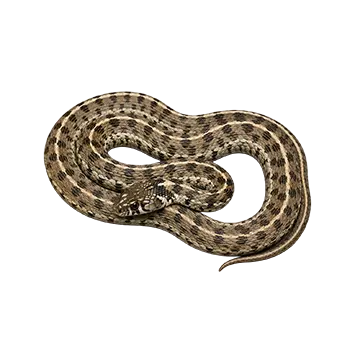

The water dish is arguably the single most important accessory in a Checkered Garter Snake enclosure, serving simultaneously as the animal's primary hydration source, a soaking vessel that aids in shedding, a humidity contributor, and — given this species' aquatic tendencies — a site of behavioral enrichment. Selecting the right dish requires balancing size, weight, material, and ease of cleaning against the specific habits and challenges that garter snakes present. Unlike many snake species that drink occasionally and rarely enter their water, Checkered Garter Snakes interact with their water dish constantly, soaking regularly, hunting through it, and frequently defecating in it.
Heavy ceramic crocks designed for reptile use are the most practical primary water dish for this species. Their weight resists the tipping that active garter snakes cause when pushing against lighter containers during their enclosure patrols, and their glazed interiors are nonporous, which prevents bacterial absorption and simplifies disinfection. A crock sized to allow the snake to coil its entire body inside with approximately one to two inches of water depth accommodates both drinking and soaking behavior. For an adult Checkered Garter Snake of average size, a dish with a diameter of six to eight inches and a depth of two inches serves well. The lip of the dish should be low enough for the snake to enter and exit without difficulty — a tall-sided dish that requires the snake to climb over a high rim may discourage soaking.
Stainless steel bowls offer durability and hygiene advantages that make them a strong alternative to ceramic. Surgical-grade stainless steel is completely nonporous, resistant to scratching, and can be sterilized with boiling water or veterinary-grade disinfectants without damage. The lighter weight of steel compared to ceramic means the bowl must be weighted or secured — some keepers place a heavy rock inside the bowl to prevent tipping, while others use bowls with rubberized bases designed to grip smooth surfaces. Stainless steel does not retain odors or discoloration the way plastic does, which is a meaningful advantage given how frequently garter snake water dishes become fouled.
Plastic water dishes are inexpensive and widely available but have notable drawbacks for garter snake use. Lightweight plastic tips easily, develops scratches that harbor bacteria over time, and can absorb odors from waste that become difficult to eliminate even with thorough cleaning. If plastic dishes are used, they should be treated as consumable items and replaced regularly — every three to four months — rather than retained indefinitely. Black or dark-colored plastic dishes are preferable to clear or light-colored ones because the dark interior provides a sense of security that encourages the snake to enter and soak, and it reduces algae growth stimulated by light penetration.
Water quality deserves as much attention as dish selection. Municipal tap water treated with chlorine or chloramine should be dechlorinated before use, either by adding a reptile-safe water conditioner or by allowing the water to sit in an open container for twenty-four hours to allow chlorine to off-gas. Chloramine, unlike free chlorine, does not dissipate through aeration and requires chemical treatment. Water should be changed daily at minimum, and the dish should be washed with hot water and a reptile-safe disinfectant during each change. Garter snakes' habit of defecating in their water means that the dish may need attention multiple times per day in some cases, and keepers should factor this maintenance demand into their daily routine from the outset.