
Nutritional Needs

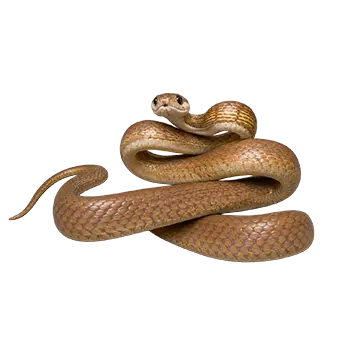
The Cat-Eyed Snake is a slender, rear-fanged colubrid whose dietary requirements in captivity reflect its highly specialized feeding ecology in the wild. Across its native range from southern Texas and Mexico through Central America and into northern South America, Leptodeira septentrionalis preys predominantly on frogs, tree frog eggs, small lizards, and occasionally tadpoles or small fish found in ephemeral pools. This diet is markedly different from that of the rat-and-mouse feeders that dominate the pet snake hobby, and keepers who acquire a Cat-Eyed Snake must be prepared to source prey items outside the standard frozen rodent supply chain.

Caloric demands for this species are modest compared to larger constrictors, which is consistent with its slender build and relatively sedentary nocturnal hunting style. An adult Cat-Eyed Snake in the eighteen-to-thirty-inch range does not require large meals, and its metabolism is adapted to frequent consumption of small prey items rather than infrequent consumption of large ones. In the wild, a Cat-Eyed Snake may consume several tree frogs or a clutch of frog eggs in a single night of foraging. Captive feeding schedules should approximate this pattern, offering appropriately sized meals every five to seven days for adults and every four to five days for actively growing juveniles.

Protein sources for the Cat-Eyed Snake must be whole-animal items that deliver complete nutrition including calcium from bones, fat-soluble vitamins from organs, and trace minerals from the entire carcass. Unlike many popular colubrid species that readily accept commercially produced frozen mice, Cat-Eyed Snakes often require amphibian-based or lizard-scented prey to trigger a feeding response, particularly during the acclimation period after acquisition. Keepers who attempt to maintain this species on a rodent-only diet without scenting or transitional strategies frequently encounter persistent food refusal.

Hydration plays an outsized role in the nutritional health of this species. Cat-Eyed Snakes inhabit humid forests, forest edges, and riparian zones where ambient moisture levels are consistently high. In captivity, access to clean drinking water in a shallow dish and ambient humidity maintained between sixty and eighty percent support proper digestion, kidney function, and skin health. A dehydrated Cat-Eyed Snake will show visible wrinkling along the lateral body folds, reduced appetite, and difficulty completing a full shed cycle, all of which compound one another and can lead to a rapid decline in condition if not addressed promptly.

Choosing the Right Prey

Prey selection for the Cat-Eyed Snake requires keepers to think beyond the frozen rodent catalogs that supply the majority of the snake-keeping hobby. In the wild, Leptodeira septentrionalis is primarily an amphibian specialist whose vertical pupils and enlarged rear fangs are adaptations for hunting frogs and consuming gelatinous frog egg masses on vegetation overhanging water. Captive diets should center on whole frogs, frog-scented alternatives, or appropriately sized fish and lizards that approximate the nutritional profile of wild prey items.

Small whole frogs, such as commercially bred African dwarf frogs or sustainably sourced native species, are the ideal staple prey for Cat-Eyed Snakes. These provide the complete nutritional package the snake evolved to process: soft bones rich in calcium, lean muscle tissue, organ nutrients, and skin compounds that may contribute to the snake's own integumentary health. Juvenile Cat-Eyed Snakes can be started on small frogs or large tadpoles, while adults will readily consume frogs in the one-to-two-inch body length range. Sourcing captive-bred feeder frogs ensures the prey is free of parasites, pesticides, and the chytrid fungus Batrachochytrium dendrobatidis, which could potentially be transmitted to amphibian collections in the same household.

Many keepers successfully transition Cat-Eyed Snakes onto pinky mice or small fuzzy mice by scenting them with frog secretions or by rubbing the mouse on the skin of a thawed feeder frog. This scenting technique exploits the snake's chemosensory hunting mechanism, which relies heavily on vomeronasal detection of amphibian skin peptides. Once a Cat-Eyed Snake begins accepting scented pinkies consistently, some individuals can eventually be weaned onto unscented mice over a period of weeks to months, though others will require scenting indefinitely. Patience during this transition is essential, and keepers should never force-feed as a shortcut.

Small silversides, guppies, and other appropriately sized freshwater fish serve as supplementary prey items that add dietary variety. In the wild, Cat-Eyed Snakes occasionally forage along stream edges and consume small fish trapped in shallow pools. Offering a thawed silverside once or twice per month can enrich the diet with omega-3 fatty acids and marine-derived minerals that frog-only diets may lack. Fish should always be offered using forceps rather than placed in water, as a captive snake feeding in its water dish fouls the water and risks aspiration.

Frozen Prey Options

The frozen prey market for amphibian-feeding snakes is considerably smaller and less standardized than the thriving frozen rodent industry, which means Cat-Eyed Snake keepers must invest time in identifying reliable suppliers. Specialty reptile suppliers who cater to rear-fanged colubrid and hognose snake keepers are the best starting point, as they often stock frozen frogs, frog legs, and frog-scented products specifically designed for species that refuse rodents. Online reptile forums and breeder networks are valuable resources for locating these niche suppliers, particularly for keepers in regions where local pet stores carry only mice and rats.

Frozen whole frogs should be processed and packaged to the same quality standards expected of any frozen prey item. Each frog should be humanely euthanized, individually wrapped or separated by wax paper within a sealed bag, and flash-frozen to minimize ice crystal formation that degrades tissue integrity. Upon thawing in warm water, the frog should retain its natural shape and skin texture, with no signs of freezer burn, discoloration, or foul odor. A properly stored frozen frog maintains acceptable nutritional quality for approximately six to nine months at zero degrees Fahrenheit or below.

For keepers who struggle to source whole frozen frogs consistently, frozen pinky mice represent the most practical alternative, provided the scenting strategies discussed above are employed. Frozen pinkies are universally available from dozens of suppliers in bulk quantities, and their small size is appropriate for the Cat-Eyed Snake's modest gape. Purchasing pinkies in bulk bags of fifty or one hundred and storing them in a dedicated freezer section is far more economical than buying small retail packs. Some suppliers also offer pre-scented pinkies marketed for frog-eating species, which can save keepers the step of maintaining a separate supply of scenting material.

Frozen silversides and smelt, available from both reptile suppliers and grocery seafood counters, round out the frozen prey inventory for this species. When sourcing fish from grocery suppliers rather than reptile-specific vendors, keepers should select unseasoned, additive-free products without added salt, preservatives, or glazes. Smelt and silversides are appropriately sized for adult Cat-Eyed Snakes and can be stored alongside other frozen prey items. Thawing fish in a separate container from amphibian or rodent prey prevents cross-contamination of scent profiles, which can confuse a snake that has been conditioned to feed on a specific prey type.

Supplements and Vitamins

Cat-Eyed Snakes consuming a varied diet of whole frogs, scented pinkies, and occasional fish rarely develop nutritional deficiencies that require supplemental intervention. The whole-prey model delivers calcium, phosphorus, vitamin A, vitamin D, and trace minerals in biologically appropriate ratios, and the Cat-Eyed Snake's digestive system is adapted to extract these nutrients efficiently from soft-bodied amphibian prey. The most effective nutritional strategy for this species is dietary variety and prey quality rather than reliance on powdered supplements.

Calcium supplementation warrants consideration under specific circumstances. Cat-Eyed Snakes maintained exclusively on boneless prey items such as frog legs or filleted fish will develop calcium deficiency over time, manifesting as softening of the jaw bones, difficulty striking and holding prey, and in advanced cases, spinal deformities. A light dusting of calcium carbonate powder without added phosphorus on prey items once every two to three feedings corrects this imbalance when whole-prey items are temporarily unavailable. Breeding females benefit from additional calcium during the follicular development phase, as egg production draws heavily on maternal calcium reserves.

Vitamin supplementation should be approached conservatively and ideally under the guidance of a reptile veterinarian experienced with colubrid species. Fat-soluble vitamins accumulate in tissue and carry a genuine risk of hypervitaminosis when administered without clinical justification. Vitamin A toxicity in particular can cause skin sloughing, organ damage, and neurological symptoms in small colubrids. A reptile-specific multivitamin applied sparingly to prey items no more than once per month provides a reasonable safety margin for keepers concerned about micronutrient gaps in a limited captive diet, but it is not a substitute for offering appropriately diverse whole-prey items.

The single most impactful nutritional decision a keeper makes is the quality and health of the prey animals themselves. Feeder frogs raised on nutritious diets in clean conditions transfer superior mineral and vitamin content to the predator compared to malnourished or stressed feeder animals. Similarly, frozen pinkies from reputable breeders who maintain their rodent colonies on high-quality feed produce a measurably better nutritional product than discount suppliers who cut corners on husbandry. Investing in quality prey from the outset reduces the need for supplementation and supports the long-term health of the Cat-Eyed Snake far more effectively than compensating for poor prey with vitamin powders.

Foods to Avoid

Wild-caught amphibians represent the single greatest dietary hazard for captive Cat-Eyed Snakes, despite the intuitive appeal of offering a prey item that closely matches the snake's natural diet. Frogs, toads, and salamanders collected from the wild harbor internal parasites including nematodes, trematodes, and protozoans that will establish infections in the snake's gastrointestinal tract. Beyond parasites, wild amphibians bioaccumulate pesticides, herbicides, and heavy metals from contaminated waterways and agricultural runoff. Certain wild frog species also produce potent skin toxins that, while not lethal to a rear-fanged specialist like Leptodeira, can cause oral irritation, excessive salivation, and feeding refusal that may persist for weeks after exposure.

Toads of any species should never be offered to Cat-Eyed Snakes in captivity. While some Leptodeira populations may occasionally consume small toads in the wild, the parotoid gland secretions of many toad species contain bufotoxins that are genuinely dangerous to snakes in the confined context of a captive feeding event. A wild Cat-Eyed Snake encountering a toxic toad can abandon the prey and move on; a captive snake in an enclosed space that has already begun swallowing has no such option. The risk of cardiac distress, neurological impairment, or death from bufotoxin ingestion is entirely avoidable by excluding toads from the captive diet.

Processed human foods including raw chicken strips, deli meats, canned fish, and any seasoned or preserved protein are completely inappropriate for Cat-Eyed Snakes. These products lack the skeletal calcium, organ-derived vitamins, and whole-animal nutrient balance that the snake requires. Sodium levels in processed meats are orders of magnitude higher than anything a small colubrid's renal system is designed to handle, and preservatives such as nitrates and phosphate additives introduce compounds that have no place in a reptile's diet. Even plain, unseasoned grocery-store meat fails to replicate the nutritional completeness of whole prey and leads to progressive malnutrition if offered as a staple.

Oversized prey is a frequently underestimated risk with small colubrids like the Cat-Eyed Snake. Because this species has a relatively modest gape compared to many snakes its length, offering prey items that exceed the diameter of the snake's midsection invites regurgitation. Regurgitation events in small snakes are particularly dangerous because the esophageal tissue is delicate, the dehydration and electrolyte disruption caused by vomiting digestive fluids is proportionally severe in a small-bodied animal, and recovery requires an extended fasting period of ten to fourteen days before reattempting feeding. Keepers should err conservatively on prey size, especially with newly acquired animals whose feeding history and tolerances are unknown.

Feeder insects such as crickets, mealworms, and dubia roaches are sometimes suggested as alternative prey for reluctant feeders, but Cat-Eyed Snakes are not insectivores and derive minimal nutrition from invertebrate prey. Offering insects may occasionally elicit a strike response driven by movement rather than scent recognition, but the snake cannot digest chitin-heavy exoskeletons efficiently, and the caloric and mineral return from insect prey is negligible compared to vertebrate or amphibian options. Time spent attempting to establish an insect-feeding routine is better invested in perfecting the scenting and presentation techniques that transition the snake onto appropriate frozen prey.

Always consult a qualified professional before making any health-related decisions. This content is provided for informational reference only and should not replace professional guidance specific to your animal.