
Enclosure Size and Type

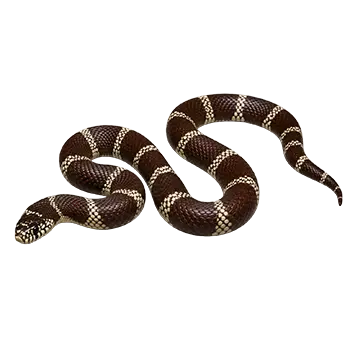
The California Kingsnake is an active, exploratory colubrid that benefits from an enclosure generous enough to allow natural movement patterns, thermoregulation, and the expression of species-typical behaviors such as burrowing, climbing low branches, and investigating crevices. The minimum recommended enclosure size for a single adult California Kingsnake is a forty-gallon terrarium or its equivalent in interior volume — approximately thirty-six inches long by eighteen inches deep by eighteen inches tall. Larger is always better, and many experienced keepers house adults in enclosures measuring four feet in length or more, which provides ample room for a robust thermal gradient and multiple microhabitats within a single setup.

Glass terrariums with screen tops are the most widely available enclosure type and work adequately for California Kingsnakes in moderate climates, but they present challenges in maintaining consistent humidity and temperature. Screen tops allow significant heat loss and moisture evaporation, which forces keepers to compensate with more powerful heating elements and frequent misting. Front-opening glass terrariums with solid tops and ventilation strips along the front or sides offer a meaningful improvement, retaining heat and humidity more effectively while providing convenient access that does not require reaching in from above — a design that reduces the startle response in snakes that associate overhead movement with aerial predators.

PVC and molded plastic enclosures have become the preferred choice among serious kingsnake keepers for good reason. These enclosures are lightweight, retain heat and humidity exceptionally well due to their insulated walls and tight-fitting doors, and are available in a wide range of sizes from manufacturers that cater specifically to the reptile community. The opaque walls reduce visual stress for the snake compared to the four-sided visibility of a glass tank, and the smooth interior surfaces are easy to sanitize. Many PVC enclosures feature built-in channels for radiant heat panels and pre-drilled ports for thermostat probes, simplifying the setup process considerably.

Escape security is a paramount concern with California Kingsnakes. This species is infamous among reptile keepers for its ability to exploit the smallest gaps in enclosure construction. A kingsnake can compress its body to fit through openings that appear far too narrow, and it will systematically test every seam, lid edge, and ventilation port in its enclosure. Any housing choice must feature a secure, locking lid or door mechanism. Sliding glass doors should have locks or pins to prevent the snake from nosing them open. Screen-top tanks require clips rated for the snake's pushing strength, not the lightweight plastic clips included with many aquarium conversion kits. A single night of an unsecured lid can result in a lost snake that may not be found for weeks, if at all.

Substrate Options

Substrate selection directly affects humidity regulation, burrowing behavior, sanitation, and the overall aesthetic of the California Kingsnake's enclosure. Because this species is a semi-fossorial animal that spends considerable time moving through and beneath ground cover in the wild, a substrate that permits burrowing is strongly preferred over flat, non-particulate options. The right substrate encourages natural behavior, helps maintain appropriate humidity levels, and simplifies spot-cleaning between full substrate changes.

Aspen shavings are the most popular substrate for California Kingsnakes and have earned that status through decades of proven performance. Aspen is absorbent, relatively dust-free when sourced from quality suppliers, easy to spot-clean, and allows the snake to create tunnels and burrows that remain structurally stable. It holds its shape well enough that a kingsnake can excavate a network of passages beneath the surface, which provides both physical enrichment and a sense of security. Aspen should be laid at a depth of two to three inches to accommodate burrowing. Its primary limitation is poor performance in high-humidity environments — it molds quickly when wet — which makes it a better choice for the drier conditions that California Kingsnakes naturally prefer.

Coconut fiber, sold as coco coir or coconut husk substrate, is an alternative that excels in humidity retention and is appropriate for keepers who need to maintain slightly higher ambient moisture levels or who live in arid climates where enclosure humidity drops rapidly. Coconut fiber is also suitable for bioactive setups, where it serves as a base layer that supports microfauna and live plants. However, it does not hold burrow structure as well as aspen, which may reduce the snake's engagement with its substrate. Blending coconut fiber with cypress mulch creates a substrate mix that balances humidity retention with structural integrity for burrowing.

Certain substrates must be avoided entirely. Cedar and pine shavings contain aromatic phenols — volatile organic compounds released from the wood's natural oils — that are toxic to reptiles and can cause respiratory inflammation, neurological symptoms, and liver damage with prolonged exposure. Sand, while sometimes recommended in outdated care guides, poses an impaction risk if ingested during feeding and does not support the burrowing behavior that kingsnakes require. Reptile carpet is hygienic and reusable but eliminates all burrowing opportunity, and its looped fibers can snag on ventral scales, causing irritation or injury. Newspaper and paper towels are acceptable for quarantine or temporary housing setups where easy sanitation is the priority, but they provide no enrichment value and should not be considered long-term solutions for a species that benefits so clearly from a diggable substrate.

Temperature and Lighting

Establishing a proper thermal gradient is the single most important environmental parameter in California Kingsnake housing. As ectotherms, these snakes depend entirely on external heat sources to regulate their body temperature, and they do so by shuttling between warmer and cooler zones within the enclosure. The warm basking area should maintain a surface temperature of approximately eighty-five to eighty-eight degrees Fahrenheit, while the cool end of the enclosure should sit between seventy-two and seventy-six degrees. This gradient allows the snake to select the temperature that suits its immediate physiological needs — warmer for digestion, cooler for rest — and replicates the thermal mosaic available in the species' natural habitat across the western United States.

Under-tank heat mats are the most commonly used heating method for California Kingsnakes and work well when paired with a quality thermostat. The heat mat should cover roughly one-third of the enclosure floor on the warm end, creating a defined basking zone without heating the entire enclosure uniformly. Heat mats placed directly beneath a glass-bottom tank deliver gentle belly heat that aids digestion, and their low profile keeps the heating element out of the enclosure where the snake could come into direct contact with it. In PVC enclosures with thicker floor panels, overhead radiant heat panels are often more effective because the insulated floor attenuates the output of an under-tank mat.

Overhead heating options include ceramic heat emitters, radiant heat panels, and deep heat projectors. Ceramic heat emitters produce heat without light and are useful for maintaining nighttime temperatures without disrupting the snake's photoperiod. Radiant heat panels, which mount to the ceiling of the enclosure and emit gentle infrared heat downward, are the gold standard for PVC setups and offer even heat distribution across a broad area. Deep heat projectors penetrate deeper into the substrate and the snake's body compared to ceramic emitters, more closely mimicking the infrared radiation profile of sunlight. All overhead heat sources must be protected by a guard or cage to prevent the snake from wrapping around or resting against the element, which causes severe thermal burns.

Lighting for California Kingsnakes serves primarily to establish a consistent photoperiod rather than to provide UVB radiation for vitamin D synthesis. A twelve-hour light and twelve-hour dark cycle during spring and summer, reduced to ten hours of light during fall and winter, supports the snake's circadian rhythm and seasonal behavioral patterns. Standard LED or fluorescent strip lighting provides adequate visible light for viewing and maintains the day-night cycle. While UVB lighting is not strictly required for California Kingsnakes, a growing body of herpetological research suggests that low-level UVB access — in the Ferguson Zone 1 to 2 range — may offer subtle immune and metabolic benefits. Keepers who choose to provide UVB should use a low-output linear tube mounted inside the enclosure with appropriate shaded retreat areas so the snake can regulate its own exposure.

Humidity and Ventilation

California Kingsnakes originate from habitats that span coastal scrubland, oak woodland, grassland, desert margins, and agricultural areas across the western United States and into Baja California. This geographic range encompasses a wide humidity spectrum, but the common thread is that most California Kingsnake populations occupy semi-arid to moderately humid environments. In captivity, a baseline ambient humidity of forty to sixty percent suits this species well, with temporary increases during shedding periods to facilitate complete skin removal.

Maintaining appropriate humidity begins with enclosure design choices made before the snake ever enters the habitat. PVC and plastic enclosures inherently retain more moisture than glass tanks with screen tops, reducing the frequency of active humidity management. For glass terrariums, partially covering the screen top with a sheet of acrylic, aluminum foil, or a purpose-built acrylic panel restricts airflow enough to raise ambient humidity without eliminating ventilation entirely. The covered area should be positioned over the cool side of the enclosure to avoid trapping heat on the warm side, which can create uncomfortably hot, stagnant air.

When humidity drops below the desired range — a common occurrence in homes with central heating or air conditioning — light misting of the substrate on the cool side provides a temporary boost. A more sustainable approach is placing the water bowl on or near the warm side of the enclosure, where gentle evaporation contributes to ambient moisture without saturating the substrate. Some keepers maintain a dedicated humid hide — a hide box with a small entry hole lined with damp sphagnum moss — that offers a localized microclimate the snake can access at will. This humid microenvironment is especially valuable during the pre-shed period, when the snake's skin becomes dull and opaque and the risk of retained shed increases if ambient humidity is insufficient.

Ventilation and humidity exist in a necessary tension that must be balanced carefully. Insufficient ventilation leads to stagnant air, mold growth on the substrate, and respiratory infections, all of which are far more dangerous than the mild dehydration that results from slightly low humidity. A well-designed enclosure provides passive airflow through strategically placed vents — typically positioned on opposite walls or at different heights to create cross-ventilation — while retaining enough moisture to keep humidity within the target range. If mold or persistent condensation appears on enclosure walls or surfaces, ventilation is inadequate and must be improved before any other adjustments are made. The goal is fresh, gently moving air that carries enough moisture to support the snake's respiratory and integumentary health without creating a damp, stagnant environment.

Enclosure Furnishings and Layout

Interior furnishing transforms an enclosure from a bare container into a functional habitat that supports the California Kingsnake's behavioral repertoire and psychological wellbeing. The foundational furnishing elements are hides — enclosed shelters that allow the snake to retreat from view and feel secure. A minimum of two hides is required: one positioned on the warm end and one on the cool end of the thermal gradient. This arrangement ensures the snake can thermoregulate without sacrificing its sense of security, which it would be forced to do if only a single hide were available at one temperature extreme. Hides should be snug enough that the snake's body contacts the walls and ceiling when coiled inside, as kingsnakes derive a sense of security from tactile contact with surrounding surfaces.

Commercially available reptile hides come in a wide variety of materials and styles. Molded resin hides shaped to resemble rock formations, logs, or caves are popular and easy to clean. Half-log hides made from natural cork bark offer a more naturalistic appearance and a textured surface that aids shedding. Simple plastic hide boxes with a single entry hole are functional and inexpensive, making them ideal for quarantine setups or keepers who prioritize sanitation over aesthetics. Regardless of style, hides must be stable and cannot topple onto the snake. In enclosures with deep substrate, hides should sit directly on the enclosure floor with substrate mounded around and over them, preventing the snake from burrowing beneath the hide and becoming trapped between the hide and the floor.

Climbing opportunities add a vertical dimension to the enclosure that California Kingsnakes readily exploit. While not an arboreal species, kingsnakes are competent climbers that will ascend branches, cork bark flats, and textured backgrounds when given the opportunity. Sturdy branches wedged securely between enclosure walls or anchored to the substrate provide climbing routes and elevated resting platforms. Cork bark tubes and flats mounted at an angle offer both climbing surfaces and additional hiding spots. Any climbing structure must be stable enough to support the snake's weight without shifting or falling, and branches collected from outdoors should be baked at two hundred degrees Fahrenheit for thirty minutes to eliminate parasites, fungi, and insect eggs before placement.

A naturalistic layout integrates all furnishing elements into a cohesive environment that mimics the spatial complexity of the snake's wild habitat. Strategically placed leaf litter, artificial or dried botanicals, and scattered flat stones create visual barriers and ground-level cover that encourage exploration. The resulting enclosure presents the snake with choices at every turn — warm or cool, exposed or hidden, elevated or burrowed — and this environmental complexity reduces stress, promotes natural behavior, and produces a visually appealing display. Keepers should resist the urge to overcrowd the enclosure, however, as excessive clutter restricts movement and makes maintenance difficult. A well-designed layout balances enrichment with accessibility, leaving clear open areas for the snake to stretch and traverse while providing abundant cover along the periphery.

Bioactive enclosures represent the most advanced approach to California Kingsnake housing and are gaining popularity among experienced keepers. A bioactive setup incorporates live plants, a drainage layer beneath the substrate, and a custodian crew of invertebrates — typically tropical springtails and isopods — that break down waste, consume mold, and cycle nutrients through the substrate. The result is a self-sustaining micro-ecosystem that requires less frequent full substrate changes and provides a living, dynamic environment for the snake. Establishing a bioactive enclosure requires upfront investment in materials and planning, and it demands a substrate blend that supports both plant growth and the cleanup crew while remaining safe for the snake. When executed correctly, bioactive setups reduce long-term maintenance labor and produce enclosures that are as visually stunning as they are functionally effective.

Always consult a qualified professional before making any health-related decisions. This content is provided for informational reference only and should not replace professional guidance specific to your animal.