
Nutritional Needs

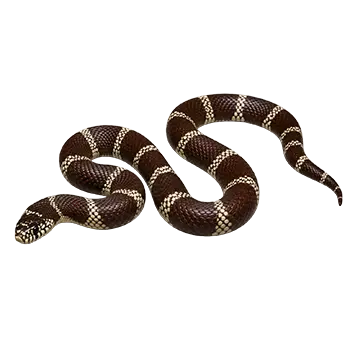
The California Kingsnake is a moderately sized colubrid whose nutritional demands are straightforward compared to those of giant constrictors but still require careful attention to maintain optimal health across a captive lifespan that can exceed two decades. In the wild, Lampropeltis californiae is an opportunistic predator with one of the broadest diets of any North American snake, consuming rodents, lizards, birds, bird eggs, frogs, and — famously — other snakes, including venomous species such as rattlesnakes. This dietary versatility reflects a robust digestive system and a high metabolic rate relative to many other snake species of comparable size, both of which inform captive feeding strategy.

Whole-prey feeding is the cornerstone of California Kingsnake nutrition. A single appropriately sized mouse or rat delivers a complete nutritional package: skeletal calcium, organ-derived fat-soluble vitamins, muscle protein, and the trace minerals bound up in blood, connective tissue, and gut contents. No combination of processed meat, supplements, or commercial snake diets replicates this balance as effectively as an intact prey animal. The goal for any keeper is to provide whole prey items that match the snake's current size and metabolic needs without overfeeding, which is a common mistake that leads to obesity and its downstream health consequences.

Metabolic rate in kingsnakes is influenced by ambient temperature, activity level, and reproductive status. A California Kingsnake maintained at the warm end of its preferred temperature gradient — roughly eighty-five degrees Fahrenheit at the basking spot — will digest meals efficiently and maintain a healthy appetite cycle. Snakes kept too cool digest slowly, may refuse food, and risk partial digestion or regurgitation. Snakes kept too warm burn through caloric reserves faster and may appear perpetually hungry, tempting keepers to overfeed. Understanding this relationship between temperature and metabolism is essential before establishing a feeding schedule.

Hydration supports every aspect of digestion and nutrient absorption. California Kingsnakes originate from a range of habitats across the western United States and northern Mexico, from coastal chaparral to desert margins, and they are well adapted to periodic dry conditions. In captivity, however, consistent access to clean, fresh water is non-negotiable. A water bowl large enough for the snake to soak in — particularly during pre-shed periods — ensures adequate hydration, supports renal function, and facilitates the passage of urates. Dehydration impairs digestion and can lead to constipation, which in a species prone to enthusiastic feeding is an avoidable problem.

Choosing the Right Prey

Prey selection for the California Kingsnake follows a simple scaling principle across the animal's life stages. Hatchlings, which typically measure eight to twelve inches at birth, begin on pinky mice — newborn mice that are hairless and roughly the diameter of the hatchling's midsection. Within the first few months, as the young snake grows rapidly, it transitions to fuzzy mice and then to hoppers. By the time the snake reaches twelve to eighteen inches, it is generally ready for small adult mice. Most adult California Kingsnakes between three and four feet settle comfortably on appropriately sized adult mice as their staple diet, with larger individuals occasionally taking small weaned rats.

The prey-sizing guideline for California Kingsnakes is to offer items that are roughly equal to the widest point of the snake's body, or no more than one and a half times that diameter. This ensures the prey delivers sufficient caloric and nutritional value without posing a regurgitation risk. Prey that is too small forces the keeper to offer multiple items per session, which can work but is generally less efficient than a single properly sized meal. Prey that is significantly too large causes visible distension and stress during digestion, and repeated oversize feedings damage the esophageal lining and stretch the stomach beyond healthy limits.

Feeding frequency varies by age and should taper as the snake matures. Hatchlings and juveniles under one year old typically eat every five to seven days to support rapid growth. Sub-adults between one and two years old can shift to feedings every seven to ten days. Fully grown adults in maintenance mode thrive on a meal every ten to fourteen days, though some keepers extend this interval to every two weeks with no ill effects. Breeding females may receive slightly more frequent meals during the follicular development phase, and all snakes should have their feeding paused for two to three weeks following any regurgitation event before reintroducing smaller prey.

California Kingsnakes are renowned for their strong feeding response, which is both a benefit and a potential hazard for keepers. These snakes rarely refuse food unless they are in shed, brumating, or ill, and they will often strike at anything warm that enters the enclosure. This eagerness makes feeding sessions predictable and straightforward, but it also means that keepers must use feeding tongs or forceps rather than fingers to present prey items. The snake's enthusiastic and occasionally indiscriminate strike-and-constrict behavior is not aggression — it is simply an expression of a predatory drive that has served the species well across millions of years of evolution.

Frozen Prey Options

Frozen-thawed prey is the standard feeding method for California Kingsnakes in responsible captive care, and the supply chain for the prey sizes this species requires is well established and accessible. Unlike keepers of giant pythons or large boas who must source rabbits and other large prey from specialty vendors, California Kingsnake keepers benefit from the fact that mice and small rats are the most commonly produced feeder animals in the reptile industry. This availability translates to competitive pricing, consistent quality, and multiple supplier options in virtually every region.

Bulk purchasing is the most cost-effective approach. A single adult California Kingsnake consuming one adult mouse every ten to fourteen days requires roughly twenty-six to thirty-six mice per year. Buying in quantities of fifty or one hundred from a reputable breeder or distributor reduces per-unit cost significantly compared to purchasing small bags from a pet store. A small chest freezer or a dedicated section of a household freezer provides adequate storage. Prey should be organized by size and purchase date, and stock should be rotated so that older items are used first. Properly stored frozen mice retain their nutritional value for up to twelve months, though a six-month target ensures optimal freshness.

Quality assessment of frozen prey begins at the point of purchase and continues at the point of thawing. Reputable suppliers flash-freeze prey shortly after humane euthanasia and package items individually or in sealed bags that minimize freezer burn. Upon thawing — which should always be done in warm water, never in a microwave — the prey item should be intact, free of off-odors, and uniformly warm to the touch throughout. Partially thawed prey with a frozen core is a leading cause of regurgitation because the cold center slows digestion and can cause gastric distress. A digital instant-read thermometer inserted into the prey's body cavity is the most reliable way to verify thorough thawing.

Some keepers supplement their staple mouse diet with occasional alternative prey to provide nutritional variety. Day-old chicks, available frozen from many feeder suppliers, offer a different amino acid and fat profile and are typically accepted eagerly by California Kingsnakes. African soft-furred rats, sometimes marketed as multimammate mice, are another option that many kingsnakes find highly palatable due to their distinctive scent. These alternatives should remain occasional supplements rather than dietary staples, since mice and small rats provide the most well-researched and reliable nutritional baseline for colubrids of this size.

Supplements and Vitamins

Under normal circumstances, a California Kingsnake consuming whole prey on a regular schedule does not require nutritional supplementation. The entire point of whole-prey feeding is that it delivers every nutrient the snake needs in biologically appropriate ratios — calcium and phosphorus from bone, retinol and other fat-soluble vitamins from liver and kidney tissue, B vitamins from muscle, and trace minerals from blood and connective tissue. Adding supplements to an already complete diet risks creating imbalances rather than correcting them, and fat-soluble vitamin toxicity is a real concern in reptiles receiving unnecessary supplementation.

Situations that may warrant supplementation are uncommon but worth understanding. A snake recovering from a prolonged hunger strike — whether due to brumation, illness, or environmental stress — may benefit from a light dusting of reptile-specific calcium powder on its first few meals back. Breeding females in active follicular development have elevated calcium demands, and a modest calcium supplement applied to prey during this period can support egg shell formation and reduce the risk of dystocia. In both cases, supplementation should be conservative and temporary rather than a permanent addition to the feeding routine.

Vitamin D3 supplementation is a topic of ongoing discussion in herpetological circles, but the prevailing consensus for California Kingsnakes is that dietary D3 from whole prey is sufficient. Unlike diurnal lizard species that synthesize vitamin D3 through UVB-driven cutaneous processes, snakes obtain adequate levels through the liver and fat stores of their prey. Some keepers provide low-level UVB lighting as part of a naturalistic lighting scheme, and there is emerging evidence that colubrids may derive modest physiological benefits from UVB access, but this is a husbandry decision rather than a dietary one and does not require oral D3 supplementation.

The single most impactful nutritional decision a keeper can make is selecting high-quality prey from reputable sources. Feeder mice raised on nutritious grain-based diets in clean, humane conditions produce prey items with superior vitamin, mineral, and fatty acid profiles compared to animals raised in overcrowded or unsanitary facilities on substandard feed. The nutritional quality of the prey animal is a direct reflection of how that animal was raised, and this upstream quality control matters far more than any post-hoc supplementation applied at feeding time. Investing in premium feeder stock from a trusted breeder or supplier is the best long-term nutritional strategy for any California Kingsnake.

Foods to Avoid

The California Kingsnake's enthusiastic feeding response and willingness to consume almost anything it can overpower make it particularly important for keepers to control what enters the enclosure. Wild-caught prey is the most significant dietary hazard and should never be offered under any circumstances. Wild mice, lizards, and frogs carry internal parasites — including various species of nematodes, cestodes, and protozoans — that transfer directly to the snake upon ingestion. Beyond parasites, wild prey animals may have consumed rodenticide bait, pesticide-treated grain, or herbicide-contaminated vegetation, all of which introduce toxic compounds into the snake's system with potentially fatal consequences.

Grocery-store meat products are entirely inappropriate for California Kingsnakes despite occasional suggestions to the contrary on social media and outdated care sheets. Raw chicken breast, ground beef, fish fillets, and similar items lack the skeletal calcium, organ-derived vitamins, and complete amino acid profiles that whole prey provides. A snake fed exclusively on boneless meat will develop metabolic bone disease over time, a progressive and painful condition that weakens the skeleton and eventually proves fatal. Additionally, commercially processed meat carries bacterial loads — particularly Salmonella and Listeria — that are managed through cooking in human food preparation but pose genuine infection risks when offered raw to a reptile.

Feeding live prey to California Kingsnakes is strongly discouraged for safety and ethical reasons. While kingsnakes are aggressive and efficient predators that typically dispatch prey quickly, a live mouse or rat left unattended in an enclosure can inflict painful bites and scratches on a snake that is not hungry or is in the vulnerable pre-shed phase. Injuries from live prey, particularly bite wounds to the face and eyes, are a common and entirely preventable cause of veterinary visits among snake keepers. The California Kingsnake's strong feeding response makes frozen-thawed transition relatively easy compared to more reluctant feeders, so there is rarely a practical justification for live feeding.

Oversized prey poses a distinct category of risk. Because California Kingsnakes are mid-sized colubrids with moderate gape capacity, offering prey that significantly exceeds the snake's body width invites regurgitation. Regurgitation is a physiologically stressful event that damages the esophageal and gastric lining, causes acute dehydration, and leaves the snake vulnerable to secondary infection. Repeated regurgitation episodes can establish a cycle that becomes increasingly difficult to break. The temptation to offer larger prey items to reduce feeding frequency should be resisted in favor of consistent, appropriately sized meals on a regular schedule.

Eggs are sometimes offered to kingsnakes as a novelty item, and while California Kingsnakes do consume bird eggs opportunistically in the wild, captive egg feeding presents more problems than benefits. Commercially available chicken eggs are far too large for any kingsnake, and even quail eggs — which are closer to an appropriate size — provide a skewed nutritional profile heavy in cholesterol and fat but lacking in the skeletal minerals and organ-derived micronutrients that whole rodent prey supplies. Occasional quail egg offerings are unlikely to cause harm, but they should not displace regular whole-prey meals and are best reserved for situations where a keeper is attempting to entice a reluctant feeder with a novel scent stimulus.

Always consult a qualified professional before making any health-related decisions. This content is provided for informational reference only and should not replace professional guidance specific to your animal.