
Nutritional Needs

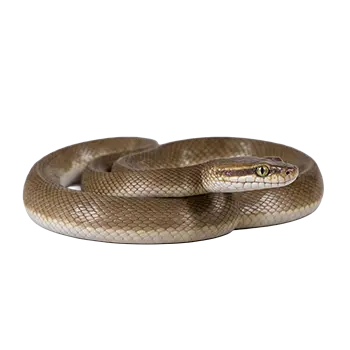
The Brown House Snake is a small, slender colubrid native to sub-Saharan Africa, and its nutritional demands reflect a lifestyle built around efficiency rather than bulk. In the wild, Boaedon capensis is a highly successful generalist predator that feeds primarily on rodents, small lizards, and nestling birds encountered during nocturnal hunting forays through grasslands, rocky outcrops, and human dwellings. This opportunistic diet translates neatly into captive husbandry because commercially bred mice provide a nearly perfect nutritional match for this species. A whole mouse delivers complete protein, balanced calcium-to-phosphorus ratios from the skeleton, fat-soluble vitamins from the organs, and roughage from the fur — everything the snake needs in a single, self-contained package.

Caloric requirements for the Brown House Snake are modest compared to larger constrictors. An adult specimen measuring two and a half to three and a half feet rarely needs more than one appropriately sized mouse every seven to ten days during active months. Overfeeding is a genuine risk with this species because Brown House Snakes are enthusiastic feeders that will readily accept food even when they do not need it. Obesity in captive colubrids shortens lifespan, impairs reproductive health, and contributes to fatty liver disease. A healthy Brown House Snake should have a rounded but not bulging body profile, with the spine faintly visible along the dorsal midline rather than buried beneath rolls of fat.

Growth-phase nutrition differs meaningfully from adult maintenance. Hatchling Brown House Snakes emerge at roughly eight to twelve inches in length and begin feeding on pinky mice within the first week or two after their initial shed. During the first year of life, feeding every five to seven days supports steady growth without pushing the animal into an unnaturally rapid growth trajectory. Sub-adults between twelve and eighteen months old can transition to slightly larger prey offered every seven days. Once the snake reaches full adult size, the feeding interval lengthens and the keeper's focus shifts from growth support to weight maintenance.

Hydration is a simple but essential element of the Brown House Snake's nutritional picture. A clean water dish refreshed every one to two days supports proper digestion and metabolic waste processing. While Brown House Snakes are not aquatic and rarely soak voluntarily under normal conditions, access to fresh water is critical for hydration of the digestive tract. A snake that is even mildly dehydrated digests more slowly, passes waste irregularly, and may experience difficulty shedding — a cascade of minor issues that compounds over time if water quality or availability is neglected.

Choosing the Right Prey

Prey selection for the Brown House Snake is straightforward compared to many snake species, largely because commercially available mice cover the full range of sizes this species will ever need. Hatchlings begin with newborn pinky mice — hairless, eyes-closed neonates weighing roughly one to three grams. As the snake grows, prey size progresses through fuzzy mice, hoppers, and eventually small to medium adult mice for fully grown specimens. The general guideline of selecting prey that is roughly equal to or slightly larger than the widest point of the snake's body at mid-length applies well to this species and prevents both underfeeding and the risks associated with oversized prey.

The Brown House Snake's feeding response is one of its most appealing traits for keepers at every experience level. This species is widely regarded as one of the most reliable feeders in the colubrid family, with healthy individuals rarely refusing meals outside of seasonal cycling, pre-shed periods, or the final weeks of pregnancy in gravid females. That eagerness, however, means the keeper must exercise discipline on behalf of the snake. Offering prey at every opportunity simply because the snake will take it leads to the obesity problems discussed in the nutritional needs section. Consistent prey sizing and a regular schedule are far more important than the snake's willingness to eat.

Frozen-thawed prey is the recommended standard for Brown House Snakes. The safety benefits are significant — even a small adult mouse can bite and scratch a snake, and the wounds, while rarely life-threatening to a healthy animal, invite secondary bacterial infection in the warm, humid environment of a snake enclosure. Beyond safety, frozen-thawed feeding is more convenient, more humane, and allows the keeper to maintain a supply of properly sized prey on hand at all times without the demands of housing and caring for live feeder colonies.

Keepers who acquire a Brown House Snake that has been conditioned to live prey will find the transition to frozen-thawed relatively painless compared to many other species. Because Boaedon capensis hunts largely by scent and heat detection rather than visual cues requiring movement, a properly warmed frozen-thawed mouse presented on tongs in low light is usually accepted within one or two attempts. Warming the prey to body temperature in hot water, ensuring the surface is dry before offering, and presenting the item headfirst with gentle movement typically triggers an immediate strike-and-constrict response.

Frozen Prey Options

The frozen feeder market is well stocked at the sizes relevant to Brown House Snake keepers, which is a significant practical advantage of maintaining a small colubrid species. Pinky mice, fuzzy mice, hoppers, and small to medium adult mice are the highest-volume products in the frozen prey industry, meaning supply is consistent, pricing is competitive, and quality standards are generally reliable across multiple suppliers. This stands in marked contrast to the logistical challenges faced by keepers of large constrictors who must source rabbits or other specialty prey at considerable expense.

When evaluating frozen prey suppliers, the key quality indicators are freshness, processing method, and packaging integrity. Reputable suppliers humanely euthanize rodents using carbon dioxide protocols, flash-freeze the animals individually to prevent clumping and tissue damage, and vacuum-seal or tightly bag them in quantities appropriate for different keeper needs. Upon thawing, a quality frozen mouse should be intact, pliable, and free of discoloration, freezer burn, or any sour odor. Prey that arrives with broken packaging, evidence of partial thawing during transit, or visible ice crystal damage should be discarded rather than offered to the snake.

Bulk purchasing offers meaningful savings for Brown House Snake keepers. A single adult snake consuming one small mouse per week requires roughly fifty to fifty-two prey items per year, and most suppliers offer tiered pricing that reduces the per-unit cost significantly at quantities of fifty or one hundred. A small chest freezer or a dedicated compartment within a household freezer can easily accommodate a year's supply for one or two snakes. Organizing stock by size and purchase date ensures proper rotation, and most frozen mice maintain acceptable nutritional quality for up to twelve months at consistent sub-zero storage temperatures.

Some keepers maintain small colonies of mice as a self-sustaining prey source. While this approach eliminates dependency on commercial suppliers and ensures the freshest possible prey, it introduces responsibilities that extend well beyond snake husbandry — housing, feeding, breeding management, and humane processing of the rodents. For keepers with a single Brown House Snake, the time and cost of maintaining a mouse colony typically exceed the savings over bulk-purchased frozen prey. Colony breeding becomes more economically justifiable for keepers maintaining multiple snakes or breeding projects where prey demand is higher and more varied in size.

Supplements and Vitamins

The Brown House Snake thriving on a consistent diet of whole frozen-thawed mice will, in the vast majority of cases, receive every nutrient it needs without any supplementation. Whole-prey feeding is the nutritional gold standard for snakes precisely because each prey item is a self-contained nutritional unit. The mouse skeleton provides calcium and phosphorus in a biologically appropriate ratio. The liver and kidneys contribute vitamin A, B-complex vitamins, and trace minerals. The muscle tissue delivers complete protein. The fat reserves supply concentrated energy. And the fur provides indigestible fiber that aids in gastrointestinal motility. No powder, liquid, or commercial supplement can replicate this complexity as effectively as the prey animal itself.

Specific circumstances may occasionally warrant targeted supplementation. Breeding females in active follicle development draw heavily on calcium reserves, and a light dusting of reptile-specific calcium powder without added phosphorus on prey items during the pre-ovulation feeding period can help prevent depletion. Snakes recovering from illness, parasitic infections, or prolonged hunger strikes may benefit from short-term multivitamin support as they rebuild condition. In all these cases, supplementation should be undertaken in consultation with a reptile-experienced veterinarian rather than applied speculatively by the keeper.

Vitamin D3 supplementation is a topic of occasional debate in colubrid husbandry. Unlike many lizard species that depend on UVB radiation to synthesize vitamin D3 for calcium metabolism, snakes are generally understood to obtain adequate vitamin D3 from the organs and tissues of their whole-prey diet. Some recent research suggests that low-level UVB exposure may offer marginal benefits for certain snake species, including improved immune function and more efficient calcium utilization, but the current consensus among herpetological veterinarians and experienced colubrid breeders is that dietary vitamin D3 from whole prey is sufficient for the Brown House Snake. Supplemental D3 carries a risk of hypervitaminosis if over-administered, as it is fat-soluble and accumulates in tissue.

The most impactful nutritional decision a keeper makes is not whether to add supplements but whether to invest in quality prey. Mice raised on high-quality feed, provided with clean water and adequate space, and processed humanely by reputable suppliers contain significantly higher levels of essential vitamins and minerals compared to poorly raised feeder animals from substandard operations. The nutritional content of the prey animal is only as good as the nutrition that prey animal received during its own life. Spending slightly more per mouse from a reputable supplier delivers better results for the snake than purchasing cheap prey and attempting to compensate with supplemental powders.

Foods to Avoid

Despite the Brown House Snake's reputation as an eager and indiscriminate feeder, a significant number of food items are inappropriate and potentially dangerous for this species. Wild-caught prey tops the list of items that should never be offered. Mice, lizards, geckos, and birds captured from the wild carry unpredictable parasite loads, may have ingested rodenticide or pesticide residues, and introduce pathogens that captive-bred feeder animals do not. Even a single wild-caught mouse can transmit nematodes, cestodes, or protozoal infections that require veterinary treatment and compromise the snake's health for weeks or months.

Grocery-store meat products — raw chicken, ground beef, fish fillets, or organ meat — are entirely unsuitable for the Brown House Snake. These items provide incomplete nutrition because they lack the bones, fur, and organ diversity of whole prey. Boneless meat is particularly dangerous over time because it delivers protein and fat without calcium, leading to progressive calcium deficiency and metabolic bone disease. The Brown House Snake's skeletal structure, while small, must remain sound to support normal locomotion and constriction, and calcium depletion weakens bones to the point of pathological fracture. Additionally, raw supermarket meat carries bacterial loads, including salmonella and listeria, that pose infection risks in the warm conditions of a snake enclosure.

Prey items that are oversized relative to the snake represent another category of feeding error. While Brown House Snakes are capable of consuming prey slightly larger than their head width, consistently offering meals at the upper limit of what the snake can physically swallow courts regurgitation. Regurgitation is a stressful physiological event that damages the esophageal lining with stomach acid, dehydrates the animal, and requires a minimum recovery period of ten to fourteen days before the next feeding attempt. Repeated regurgitation events can lead to chronic esophageal scarring and a snake that becomes progressively more difficult to feed.

Feeding multiple small prey items in a single session as a substitute for one appropriately sized item is another practice best avoided with Brown House Snakes. While some keepers of other species use this technique productively, Brown House Snakes fed multiple prey items in rapid succession may consume more total volume than they would from a single appropriately sized mouse, increasing the risk of obesity and digestive strain. The snake's feeding response intensifies with each successive prey item as strike-and-constrict instincts escalate, which can also lead to accidental bites on the keeper's fingers or tongs. One properly sized prey item per feeding session is the safest and most nutritionally appropriate approach.

Feeding Tools and Schedule

Proper feeding tools make the process safer and more efficient for both keeper and snake. Long feeding tongs or hemostats, ideally twelve to sixteen inches in length with rounded or rubber-coated tips, are essential for presenting prey to the Brown House Snake without placing fingers in striking range. While this species is small and a bite from an adult Brown House Snake is unlikely to cause serious injury, a feeding-response bite is startling, may cause the snake to associate the keeper's hand with food, and can lead to persistent defensive behavior during routine handling. Tongs maintain a clear boundary between food delivery and human contact.

Thawing prey properly is a critical step that many new keepers underestimate. The safest method is to place the frozen mouse in a sealed plastic bag and submerge it in warm water for fifteen to thirty minutes until the item is fully thawed and warmed to approximately body temperature. Microwaving prey is strongly discouraged because it heats unevenly, creating internal hot spots that can burn the snake's digestive tract while the exterior remains cool to the touch. Leaving prey to thaw at room temperature for extended periods promotes bacterial growth on the surface, particularly in warm rooms, and should be avoided. The prey should feel uniformly warm and pliable throughout before offering.

A consistent feeding schedule anchored to the snake's age and condition provides the framework for long-term health. Hatchlings under six months old benefit from feeding every five to six days with appropriately sized pinky or fuzzy mice. Juveniles between six and twelve months can move to a seven-day cycle with hopper mice. Sub-adults and adults in maintenance mode thrive on one small to medium adult mouse every seven to ten days. During winter months, many Brown House Snakes experience a natural reduction in appetite tied to seasonal cycling, and keepers should respect this by extending feeding intervals rather than forcing food on a reluctant animal.

Feeding should occur during evening or nighttime hours to align with the Brown House Snake's nocturnal activity patterns. Offering prey when the snake is naturally alert and actively exploring its enclosure significantly increases the likelihood of an immediate feeding response and reduces the chance of the prey item being ignored and requiring removal. After feeding, the snake should be left undisturbed for at least forty-eight hours to digest without stress. Handling a snake too soon after feeding can trigger regurgitation, and even mild disturbance — such as rearranging enclosure furniture or performing maintenance — should be postponed until the visible prey lump has passed through the digestive tract.

Record-keeping is an often-overlooked tool that pays dividends over the life of the snake. Maintaining a simple log of feeding dates, prey size, acceptance or refusal, and any notes about shedding or behavior allows the keeper to identify patterns and catch potential problems early. A snake that has refused three consecutive meals, for example, may be entering a shed cycle, experiencing a husbandry issue such as incorrect temperatures, or developing an illness that warrants veterinary attention. Without records, these patterns are easy to miss, especially for keepers maintaining multiple animals.

Always consult a qualified professional before making any health-related decisions. This content is provided for informational reference only and should not replace professional guidance specific to your animal.