
Nutritional Needs

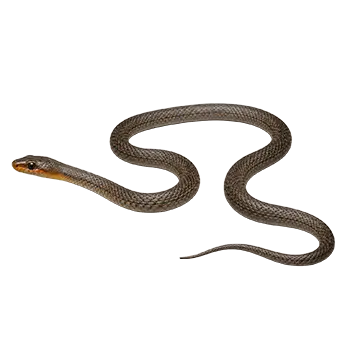
Baird's Rat Snake is a moderately sized colubrid native to the rocky canyons and semi-arid hill country of southwestern Texas and adjacent regions of northeastern Mexico. In the wild, Pantherophis bairdi feeds primarily on small rodents, birds, and lizards, reflecting the prey availability of its rugged Chihuahuan Desert habitat. Captive feeding strategies should approximate this natural dietary profile by centering on whole-prey rodents that deliver complete nutrition — protein, fat, calcium from bone, organ-derived micronutrients, and the roughage provided by fur or feathers — in every meal.

Caloric requirements for this species are modest compared to larger constrictors but must be carefully calibrated to the individual animal's age, size, and reproductive status. An adult Baird's Rat Snake in maintenance mode requires significantly fewer calories per gram of body weight than a rapidly growing juvenile. Overfeeding is one of the most common husbandry errors with this species because the snake will readily accept food even when it does not need additional calories. Chronic overfeeding leads to obesity, fatty liver disease, and a shortened lifespan — problems that are entirely preventable through disciplined scheduling and appropriate prey sizing.

The protein-to-fat ratio delivered by commercially bred feeder rodents aligns well with the nutritional demands of Baird's Rat Snake at all life stages. Mice form the dietary staple for most individuals, with hatchlings starting on pinky mice and gradually progressing through the standard size classes as they grow. Larger adult specimens, particularly females in breeding condition, may benefit from transitioning to small rats once they have reached sufficient girth to accept them comfortably. The key principle is that the prey item should create a modest but visible lump in the snake's midsection after ingestion — a meal that is absorbed without any external evidence is too small, while one that distends the body dramatically is too large.

Hydration supports every aspect of the digestive process and is often underappreciated as a nutritional concern. Baird's Rat Snake requires access to clean, fresh water at all times. Adequate hydration ensures efficient enzymatic breakdown of prey, proper absorption of nutrients in the intestinal tract, and healthy elimination of uric acid waste products. Dehydration in this species manifests subtly at first — slightly wrinkled skin, retained eye caps during shedding — but can escalate to constipation, visceral gout, and renal compromise if left unaddressed.

Choosing the Right Prey

Prey selection for Baird's Rat Snake follows a straightforward progression tied to the animal's growth. Hatchlings, which typically emerge at ten to thirteen inches in length, begin feeding on newborn pinky mice within their first week or two after their initial post-natal shed. As the snake grows, prey size advances through fuzzy mice, hoppers, and small adult mice during the first year. By the time the snake reaches two to three feet, standard adult mice become the staple prey item. Particularly robust adults exceeding four and a half feet may accept weaned or small adult rats, though many Baird's Rat Snakes remain on large mice for their entire lives.

The widely cited guideline of offering prey no wider than the widest point of the snake's body serves as a reliable starting framework for this species. Baird's Rat Snake has a relatively slender build compared to heavy-bodied species like ball pythons or boa constrictors, so keepers should resist the temptation to push prey size upward too aggressively. A prey item that appears appropriately sized when held next to the snake's midsection is almost always a better choice than one that seems borderline. Regurgitation events caused by oversized prey are stressful for the snake, damaging to the esophageal lining, and entirely avoidable.

Frozen-thawed prey is the strongly preferred feeding method for Baird's Rat Snake. The safety advantages are well established — live rodents can bite, scratch, and inflict serious injuries on a snake that does not strike immediately — but frozen-thawed feeding also offers practical benefits in terms of convenience, cost, and storage. Frozen mice purchased in bulk from reputable suppliers can be stored for months in a dedicated freezer, eliminating the logistical burden of maintaining live feeder colonies or making frequent trips to a pet store.

Some individual Baird's Rat Snakes, particularly wild-caught or farm-bred animals with limited exposure to frozen prey, may initially refuse thawed offerings. Patience and technique usually resolve this. Warming the mouse thoroughly in hot water until it reaches body temperature, presenting it with gentle movement on feeding tongs during evening hours when the snake is naturally active, and ensuring the enclosure is dimly lit and free of disturbances are standard transition strategies. Scenting the thawed mouse with used bedding from a live rodent enclosure can provide the additional olfactory stimulus needed to trigger a feeding response in reluctant individuals.

Frozen Prey Options

The frozen feeder market is well suited to the needs of Baird's Rat Snake keepers because the prey sizes this species requires — pinky mice through large adult mice, with occasional small rats — are the most commonly produced and widely available classes in the industry. Unlike keepers of giant constrictors who must source rabbits or guinea pigs from specialty suppliers, a Baird's Rat Snake keeper can obtain a year's worth of appropriately sized frozen prey from virtually any major feeder rodent supplier with a single bulk order.

Quality is the most important consideration when selecting a frozen prey supplier. Reputable producers raise their feeder rodents on nutritionally complete diets, maintain clean and humane breeding colonies, and process prey through rapid flash-freezing immediately after euthanasia. The resulting product should arrive solidly frozen, individually wrapped or layered with parchment to prevent items from fusing together, and free of freezer burn, ice crystal damage, or off-odors upon thawing. Prey that arrives partially thawed during transit should be discarded rather than refrozen, as the thaw-refreeze cycle promotes bacterial growth that can cause gastrointestinal infections.

Bulk purchasing represents substantial cost savings for dedicated keepers. A hatchling Baird's Rat Snake consuming one pinky mouse every five days will go through roughly seventy prey items in its first year alone, and an adult eating one mouse every ten to fourteen days still consumes thirty to forty mice annually. Buying in quantities of fifty or one hundred at a time, rather than in small retail packs, typically reduces the per-unit cost by thirty to fifty percent. A small chest freezer or a dedicated section of a household freezer, organized by prey size and purchase date, ensures proper stock rotation so that the oldest items are used first.

Variety in prey species can provide marginal nutritional benefits and may help maintain feeding enthusiasm in animals that occasionally go off feed. African soft-furred rats, also known as multimammate mice, offer a slightly different scent and nutritional profile that many colubrid species find highly palatable. Day-old chicks or quail chicks provide an alternative protein source and are particularly useful for enticing reluctant feeders, though they should supplement rather than replace a rodent-based diet because poultry lacks the fur that aids digestive motility. Rotating between standard domestic mice and one or two alternative prey types every few feeding cycles mirrors the dietary variety this species would encounter in the wild.

Supplements and Vitamins

Baird's Rat Snake consuming whole-prey rodents on a consistent schedule rarely requires any form of nutritional supplementation. The whole-prey feeding model is inherently complete — bones supply calcium and phosphorus in a biologically correct ratio, organs deliver fat-soluble vitamins and trace minerals, muscle tissue provides complete amino acid profiles, and fur contributes indigestible fiber that promotes healthy gut motility. This nutritional self-sufficiency is one of the primary reasons herpetological nutritionists advocate so strongly for whole-prey feeding over any partial or processed alternative.

Specific circumstances may create supplementation needs that do not exist under normal conditions. Females entering the breeding season have elevated calcium demands as developing follicles draw heavily on the mother's mineral reserves. A light dusting of reptile-specific calcium powder without added phosphorus on one or two prey items per month during the pre-ovulatory period can help prevent calcium depletion without creating a mineral imbalance. Similarly, snakes recovering from prolonged illness, parasitic infection, or an extended hunger strike may benefit from short-term calcium or multivitamin supplementation under the guidance of a reptile veterinarian.

Multivitamin products formulated for reptiles should be used sparingly and only when a documented deficiency or specific veterinary recommendation justifies their use. Fat-soluble vitamins — particularly vitamins A, D, and E — accumulate in liver and fat tissues and can reach toxic concentrations with excessive supplementation. Vitamin D3 supplementation is generally unnecessary for Baird's Rat Snake because this species does not depend on UVB-mediated cutaneous synthesis of vitamin D for calcium metabolism in the way that many diurnal lizard species do. While some herpetologists have noted potential welfare benefits from low-level UVB exposure for colubrids, the dietary vitamin D present in whole-prey rodents is considered sufficient for proper calcium absorption and skeletal health.

The single most impactful nutritional decision a keeper can make is investing in high-quality feeder rodents rather than attempting to compensate for poor prey quality with supplemental powders. Mice and rats raised on nutritionally complete commercial feed, housed in clean conditions, and processed promptly after humane euthanasia transfer their full nutritional value to the snake. Bargain-priced prey from suppliers with questionable husbandry practices may appear identical to premium products but can be significantly deficient in key micronutrients. Selecting a reputable, transparent feeder supplier is the foundation of sound nutrition for any captive Baird's Rat Snake.

Foods to Avoid

The range of inappropriate food items for Baird's Rat Snake is broad, and the consequences of offering unsuitable prey vary from mild digestive disturbance to fatal poisoning. Wild-caught prey animals should never be offered under any circumstances regardless of how abundant or convenient they may be. Wild mice, rats, lizards, and birds carry internal parasites, may have consumed rodenticides or pesticides, and can harbor bacterial or viral pathogens that pose direct threats to a captive snake's health. Even a single wild-caught mouse can introduce a parasitic burden that requires veterinary intervention and prolonged antiparasitic treatment to resolve.

Grocery-store meat products — raw chicken, ground beef, pork, fish fillets, or processed deli meats — are entirely inappropriate for this species. These products lack the complete nutritional profile of whole prey because they contain no bones, organs, fur, or the micronutrient complexity that intact animals provide. Feeding boneless meat to any snake over time leads to severe calcium deficiency and metabolic bone disease, a progressive and painful condition that weakens the skeleton and can result in spinal deformities, jaw malformation, and pathological fractures. The bacterial loads commonly present on raw grocery meat, including salmonella, E. coli, and listeria, add an additional layer of risk.

Oversized prey is a particularly insidious feeding error because the snake may successfully consume the item only to regurgitate it hours or days later. Regurgitation in Baird's Rat Snake is a serious physiological event that damages the esophageal mucosa, causes dehydration and electrolyte imbalance, and leaves the snake vulnerable to secondary infection. Following a regurgitation, the animal must be left completely undisturbed for a minimum of ten to fourteen days before the next feeding attempt, and that attempt should use a prey item significantly smaller than the one that caused the problem. Repeated regurgitation episodes can establish a cycle that becomes increasingly difficult to break.

Insects, amphibians, and fish are sometimes offered to rat snakes by well-meaning but misinformed keepers. While some colubrid species are dietary generalists that consume invertebrates or amphibians in the wild, Baird's Rat Snake is a rodent specialist whose digestive physiology is optimized for processing mammalian prey. Crickets, mealworms, and earthworms provide essentially no usable nutrition for this species. Frogs and toads may carry skin toxins or parasites that are harmful to snakes. Feeder fish introduce the risk of thiaminase exposure, an enzyme that destroys vitamin B1 and can cause fatal neurological damage with chronic ingestion. Sticking to commercially bred whole-prey rodents eliminates all of these risks.

Feeding Tools and Equipment

Proper feeding tools transform the routine of offering prey into a safe and efficient process for both the keeper and the snake. Feeding tongs or forceps are the single most important piece of equipment in the feeding toolkit. Stainless steel or rubberized feeding tongs in the ten-to-sixteen-inch range allow the keeper to present prey at a safe distance from the snake's striking range while providing enough control to mimic the subtle movement of a live animal. Shorter tongs increase the risk of an accidental bite, while excessively long tongs sacrifice the fine motor control needed for a convincing prey presentation.

A dedicated feeding container is favored by many experienced keepers, though opinions within the herpetological community remain divided on the practice. Proponents argue that transferring the snake to a separate, bare-bottomed container for feeding prevents substrate ingestion, reduces the association between the enclosure opening and food delivery, and simplifies cleanup. Critics counter that the stress of handling and relocation can suppress appetite, particularly in shy or defensive individuals. For Baird's Rat Snake, which tends to be a confident and willing feeder, either approach works well. If feeding within the primary enclosure, placing the prey item on a small plate, shallow dish, or piece of clean cardboard prevents the snake from ingesting substrate during constriction and swallowing.

Thawing equipment is a mundane but critical part of the feeding process. Frozen prey should never be thawed in a microwave, which creates internal hot spots that can burn the snake's digestive tract and unevenly degrades the prey's nutritional quality. The safest method is to place the frozen mouse in a sealed plastic bag and submerge it in warm water for fifteen to thirty minutes, replacing the water as it cools, until the prey is thoroughly thawed and warmed to approximate body temperature. A probe thermometer inserted into the prey's core can confirm that the internal temperature has reached ninety to one hundred degrees Fahrenheit, which maximizes the thermal and olfactory cues that trigger a feeding response.

Record-keeping tools round out the feeding equipment list. A simple logbook, spreadsheet, or dedicated reptile-tracking application allows the keeper to record the date, prey type, prey size, and whether the snake accepted or refused each meal. Over time this record reveals feeding patterns, seasonal appetite fluctuations, and growth trends that inform prey-sizing decisions and alert the keeper to potential health issues. A digital kitchen scale accurate to the nearest gram is invaluable for tracking the snake's weight at each feeding, providing an objective measure of growth and body condition that visual assessment alone cannot match.

Feeding Schedule by Life Stage

Feeding frequency for Baird's Rat Snake varies substantially across the animal's life stages, and establishing an appropriate schedule is essential for maintaining healthy growth rates without promoting obesity. Hatchlings and neonates under six months of age have the highest metabolic demands relative to their body size and should be offered one appropriately sized pinky or fuzzy mouse every five to six days. This frequent feeding cadence supports the rapid growth that occurs during the first several months of life, when the snake may double or triple its hatching length. Skipping meals or extending intervals unnecessarily during this critical developmental window can result in stunted growth and a weakened immune system.

Juveniles between six months and one year of age transition to a slightly more relaxed schedule as their growth rate begins to decelerate. One appropriately sized hopper or small adult mouse every seven days is sufficient for most individuals in this age range. The keeper should monitor body condition closely during this period, as some fast-growing juveniles may need to remain on a five-day cycle while naturally slower growers may thrive on eight-day intervals. The snake's body should appear smoothly rounded without visible vertebral ridges, which indicate underfeeding, or a persistently swollen midsection, which suggests overfeeding.

Sub-adults between one and two years of age are approaching their adult body size but are still depositing muscle mass and completing skeletal maturation. One adult mouse every seven to ten days supports this final growth phase without encouraging excessive fat deposition. This is the life stage at which many keepers inadvertently establish overfeeding habits by continuing the more frequent juvenile schedule long after the snake's caloric demands have diminished. The transition from juvenile to sub-adult feeding frequency should be gradual, adding one or two extra days between meals over the course of several weeks.

Adult Baird's Rat Snakes over two years of age and at their full body size require the least frequent feeding of any life stage. One appropriately sized adult mouse every ten to fourteen days is sufficient for most adults in maintenance mode. Some particularly sedentary individuals may do well on a meal every two to three weeks, though this extended interval is the exception rather than the rule. Breeding females should receive slightly more frequent meals in the months leading up to the breeding season to build the caloric and calcium reserves needed for follicle development, egg production, and recovery. Males being actively used for breeding may also benefit from a modest increase in feeding frequency to compensate for the energy expenditure associated with courtship behavior and reduced appetite during the breeding season.

Seasonal appetite variation is a normal and expected phenomenon in Baird's Rat Snake that keepers should anticipate rather than resist. Many individuals voluntarily reduce their food intake or refuse meals entirely during the shorter, cooler days of late autumn and winter, even without a deliberate brumation period. This natural anorexic phase typically resolves spontaneously as photoperiod lengthens and ambient temperatures rise in the spring. Attempting to force-feed or excessively entice a seasonally fasting snake is counterproductive and stressful. As long as the snake maintains good body condition and shows no signs of illness, a winter hunger strike lasting several weeks to a few months is physiologically normal and requires no intervention beyond continued access to fresh water.

Always consult a qualified professional before making any health-related decisions. This content is provided for informational reference only and should not replace professional guidance specific to your animal.