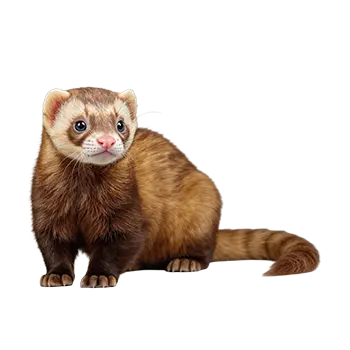

Cinnamon Ferrets, like all domestic ferrets of the species Mustela putorius furo, are obligate carnivores with a gastrointestinal tract that is fundamentally different from the herbivorous and omnivorous small mammals many new owners have previously kept. Their digestive system is remarkably short, with a gut transit time of only three to four hours, which means food must be calorie-dense, highly digestible, and animal-based to deliver adequate nutrition before it passes through the system. Plant matter, grains, and complex carbohydrates move through too quickly to be meaningfully broken down, and their chronic inclusion in the diet contributes to insulinoma, a pancreatic cancer that is devastatingly common in ferrets fed inappropriate foods over time.
The ideal macronutrient profile for a Cinnamon Ferret prioritizes animal protein and animal fat above all else. Protein should constitute a minimum of thirty-two to thirty-eight percent of the diet on a dry-matter basis, and critically, this protein must originate from whole animal sources such as poultry, lamb, or organ meats rather than from plant-derived proteins like soy or pea protein isolates that appear in many commercial kibbles. Fat content should fall between fifteen and twenty percent, serving as the primary energy source in place of the carbohydrates that fuel most mammalian diets. Ferrets lack the metabolic machinery to efficiently process carbohydrates, and diets exceeding three to four percent fiber or containing significant sugar and starch fractions place chronic stress on the pancreas.
Taurine is an essential amino acid for ferrets that must be supplied through the diet, as ferrets cannot synthesize it endogenously in sufficient quantities. Taurine deficiency causes dilated cardiomyopathy and retinal degeneration, both of which are irreversible by the time clinical signs become apparent. Whole prey and raw meat diets naturally provide adequate taurine, but kibble-based diets may fall short unless the product is specifically formulated for ferrets or cats, which share this dietary requirement. Checking the guaranteed analysis and ingredient list for taurine supplementation is a necessary step when evaluating any commercial ferret food.
Water intake is another often-overlooked nutritional consideration. Ferrets on dry kibble diets require constant access to clean, fresh water to compensate for the low moisture content of extruded foods. Dehydration in ferrets progresses rapidly due to their small body mass and high metabolic rate, and chronic mild dehydration can contribute to urinary tract issues and kidney stress over a ferret's lifetime. Keepers who feed raw or whole-prey diets will notice their ferrets drink considerably less water, as these foods contain seventy to eighty percent moisture and substantially reduce the animal's need for supplemental hydration.