
Enclosure Size and Type

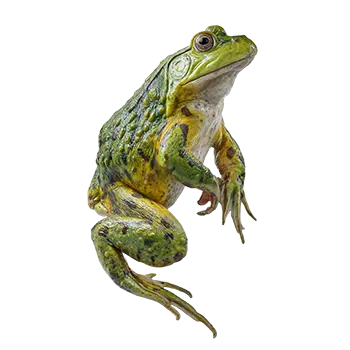
African Bullfrogs are among the largest amphibians commonly kept in captivity, and housing them properly starts with accepting that a large adult male requires a correspondingly large enclosure. A single adult male does best in a tank with a footprint of at least 40 gallons, though many experienced keepers recommend a 55- or 75-gallon equivalent for a fully grown specimen. Floor space matters far more than height for this ground-dwelling species, so long, low enclosures are preferable to tall designs marketed for arboreal animals.

Glass aquariums remain the most common and practical choice. They hold humidity well, allow clear observation, are easy to clean, and are widely available in appropriate sizes. Front-opening terrariums designed for reptiles also work, and many keepers prefer them for ease of maintenance, since reaching into a top-opening tank to service the interior of a large, heavy enclosure can be cumbersome. Whichever style you select, a secure, well-ventilated lid is mandatory. African Bullfrogs are powerful and can push surprisingly hard against an unsecured screen top, especially during nocturnal activity.

Plastic tub setups are a viable utilitarian alternative, particularly for breeders managing multiple animals. Large storage tubs with ventilation holes drilled or melted into the lid provide ample floor space at a fraction of the cost of glass. They retain humidity well and are lightweight and easy to clean. The trade-offs are limited visibility and a less aesthetically appealing presentation, which matters more to some keepers than others.

Juvenile African Bullfrogs can start in smaller enclosures, a 10- to 20-gallon tank being adequate for the first several months. However, juveniles grow rapidly, and upgrading on a predictable timeline avoids the stress of an animal that has outgrown its space. Planning for the adult enclosure from the outset and simply partitioning it for a juvenile is a practical approach that saves both money and disruption.

Substrate Options

Substrate selection is one of the most consequential decisions in African Bullfrog housing because this species spends a significant portion of its time partially buried. In the wild, Pyxicephalus adspersus aestivates underground during dry seasons and routinely digs shallow burrows for thermoregulation and ambush hunting. A substrate that supports burrowing behavior while maintaining appropriate moisture levels is essential to the animal's physical and behavioral health.

Coconut fiber, sold as coco coir or compressed bricks that expand when soaked, is the most widely recommended substrate for this species. It holds moisture without becoming waterlogged, supports burrowing, is soft enough to avoid abrasion, and is relatively inexpensive to replace during full substrate changes. A depth of three to four inches allows the frog to bury itself comfortably, which is a natural stress-reduction behavior that should not be denied.

A blend of coconut fiber and organic topsoil, mixed at roughly equal parts, creates a more naturalistic substrate with better structural integrity for burrows. The topsoil component adds weight and cohesion, allowing the frog to create semi-permanent depressions without the substrate collapsing immediately. Ensure any topsoil used is free of fertilizers, perlite, and added chemicals. Bags labeled as organic or for raised-bed gardening are usually safe after checking the ingredient list.

Substrates to avoid include gravel, sand, bark chips, and reptile carpet. Gravel and sand pose serious impaction risks, as the frog's feeding strike is indiscriminate and will sweep substrate into its mouth along with prey. Bark chips and large-particle substrates are similarly problematic and can cause gastrointestinal blockages. Reptile carpet does not allow burrowing and harbors bacteria in its fibers despite washing. Paper towels are acceptable for quarantine or temporary hospital setups but are not suitable for long-term housing because they deny the animal its most fundamental comfort behavior.

Water Features

Every African Bullfrog enclosure needs a water area, and how you implement it matters for both the frog's health and the enclosure's cleanliness. At minimum, a heavy, shallow dish large enough for the frog to sit in with water covering its ventral surface is required. African Bullfrogs absorb water and electrolytes through the pelvic patch on their underside, so the water level should be deep enough to submerge this area but shallow enough that the frog can rest comfortably with its head well above the surface.

Ceramic crocks and heavy-duty reptile water dishes are ideal because they resist tipping. A large adult male bullfrog is heavy and strong enough to flip lightweight dishes, flooding the substrate and creating a maintenance headache. Choose a dish with a low, ramped entry point so the frog can enter and exit without struggling. Abrupt, high-walled dishes can trap a frog that is too small or disoriented, creating a drowning risk for juveniles.

Water quality must be managed actively. African Bullfrogs defecate in their water dish frequently, and soiled water is a direct vector for bacterial and fungal infections, including the dreaded red-leg syndrome caused by Aeromonas bacteria. Water should be changed at minimum once daily, and more often if visibly soiled. Use dechlorinated or aged tap water, as chlorine and chloramine are toxic to amphibians through dermal absorption.

Some keepers design a split enclosure with a distinct land side and water side, separated by a silicone-sealed divider or a natural barrier of stacked stone. This paludarium-style approach provides a more naturalistic water area and can simplify water changes if the water side is plumbed with a drain. The added complexity is not necessary for healthy husbandry, but it enhances the setup for keepers who value a bioactive or display-quality enclosure.

Ventilation and Lid Security

Balancing humidity retention with adequate airflow is one of the persistent challenges in amphibian housing, and African Bullfrogs sit squarely in the middle of that tension. They require moderate to high humidity, generally in the range of 60 to 80 percent, but stagnant, poorly ventilated air promotes mold growth on substrate, bacterial proliferation in the water dish, and respiratory issues in the frog itself.

A standard screen top provides excellent ventilation but allows humidity to escape rapidly, especially in dry climates or air-conditioned rooms. The most common solution is to cover a portion of the screen with a sheet of glass, acrylic, or plastic wrap, leaving a strip open for air exchange. The exact ratio depends on your ambient conditions: in a dry environment, covering 70 to 80 percent of the screen may be necessary, while a naturally humid room may only require 50 percent coverage.

Lid security deserves its own emphasis because African Bullfrogs are surprisingly capable escape artists for such sedentary-looking animals. A large male can exert considerable upward force, and an unsecured screen top will eventually be dislodged. Screen lid clips, tank lid locks, or a weighted object placed on the screen are simple and effective precautions. Escapes are stressful for the frog and often result in dehydration or injury, making prevention far easier than recovery.

For keepers using front-opening terrariums, the built-in doors and top ventilation panels generally provide a good balance of airflow and humidity when combined with regular misting. Ensure that the door latching mechanism is firm and that there are no gaps around the frame large enough for a juvenile to squeeze through. Juvenile bullfrogs are considerably smaller and more agile than their adult counterparts, and a gap that seems inconsequential for a full-grown male can be an open door for a two-month-old frog.

Heating and Temperature Zones

African Bullfrogs are ectotherms native to the savannas and grasslands of sub-Saharan Africa, and they require a thermal gradient within the enclosure that allows them to shuttle between warmer and cooler areas as their metabolic needs dictate. The warm end of the enclosure should sit between 82 and 88 degrees Fahrenheit, while the cool end should drop to the mid-70s. Nighttime temperatures can fall into the low 70s without issue, as the species experiences significant diurnal temperature swings in its native range.

Under-tank heat mats are the most common heating method for this species and work well when paired with a thermostat. The mat should be placed beneath one end of the enclosure, creating a clear warm zone. Because the frog burrows, the substrate depth above the mat moderates contact temperature, but a thermostat is still non-negotiable to prevent overheating, which can cause fatal burns through the glass bottom. Set the thermostat to control the surface temperature of the substrate above the mat, not the ambient air temperature.

Ceramic heat emitters mounted on the screen lid are a secondary option, particularly useful in rooms where ambient temperatures run cool. They produce heat without light, which is important because constant bright lighting stresses this species. If using an overhead ceramic emitter, protect the frog from direct contact by ensuring the emitter is mounted outside or above the screen, not inside the enclosure where the animal could reach it. A thermostat with a probe placed at substrate level should regulate the emitter.

Avoid heat rocks entirely. These products produce uneven, intense surface temperatures that routinely cause thermal burns in amphibians and reptiles. The frog's instinct to press against a warm surface makes it especially vulnerable to a malfunctioning or unevenly heated rock. The combination of a regulated heat mat and a well-designed thermal gradient provides everything the species needs without introducing unnecessary risk.

Hides and Furnishings

Despite their bold feeding response, African Bullfrogs are fundamentally ambush predators that spend much of their time concealed or partially buried. Providing adequate hides is not decorative but functional. A frog that feels exposed will exhibit chronic stress behaviors, including prolonged hiding in the water dish, refusal to eat, and attempts to escape the enclosure.

A half-log hide, a commercially manufactured reptile cave, or a section of cork bark placed over a dug-out area of substrate gives the frog a secure retreat on the land side of the enclosure. The hide should be large enough for the frog to fit inside comfortably without being wedged, and heavy or stable enough that the frog's burrowing does not collapse it. Many keepers anchor hides partially into the substrate to create a semi-buried chamber that mimics the burrow entrances the species favors in the wild.

Live or artificial plants add visual barriers that reduce the frog's sense of exposure and help maintain humidity through transpiration in the case of live plants. Pothos, philodendron, and various ferns are hardy choices that tolerate the warm, humid conditions of a bullfrog enclosure. If using live plants, ensure they are planted in substrate free of added fertilizers and that the frog's burrowing activity will not uproot them immediately. Some keepers pot plants in buried containers to protect the root systems.

Large, smooth river stones and pieces of driftwood can create terrain variation and visual interest, but every object in the enclosure must be free of sharp edges that could abrade the frog's delicate skin. Avoid dense, narrow arrangements that could trap the frog or create pinch points. The enclosure layout should allow the animal to move freely between the warm side, the cool side, the water feature, and at least one secure hide without navigating an obstacle course.

Cleaning and Maintenance

A consistent cleaning schedule is the single most important factor in preventing the bacterial and fungal infections that are the leading causes of morbidity in captive African Bullfrogs. The warm, humid environment that the species requires is also ideal for pathogen growth, which means keepers must be proactive rather than reactive about sanitation.

Daily tasks include changing the water dish, spot-cleaning any visible waste from the substrate surface, and removing uneaten prey items. African Bullfrogs produce substantial waste relative to their body size, and fecal matter left on damp substrate decomposes quickly, releasing ammonia and creating a breeding ground for harmful bacteria. A small scoop or spoon dedicated to the enclosure makes spot-cleaning quick and minimally disruptive to the frog.

Full substrate changes should occur every four to six weeks in a standard setup, though heavily used areas may need earlier attention. During a full change, remove the frog to a secure temporary container with a damp towel or shallow water, remove all substrate, and wash the enclosure interior with a reptile-safe disinfectant or a dilute vinegar solution. Rinse thoroughly with dechlorinated water before adding fresh substrate. All furnishings, hides, and the water dish should be scrubbed and disinfected at the same time.

Bioactive setups, which use a drainage layer, live plants, and a custodian crew of springtails and isopods to break down waste, can extend the interval between full teardowns significantly. A well-established bioactive enclosure may go months between substrate replacements, with the microfauna handling much of the waste processing. However, bioactive does not mean maintenance-free. The water dish still requires daily changes, spot-checks for mold or anaerobic pockets are still necessary, and the custodian population needs monitoring to ensure it remains viable. For keepers willing to invest the setup effort, bioactive systems offer a more naturalistic and lower-maintenance long-term solution.

Always consult a qualified professional before making any health-related decisions. This content is provided for informational reference only and should not replace professional guidance specific to your animal.